Yes, it’s true. The Central Energy Fund (CEF) just released a press document announcing a drop in petrol & diesel prices! Hostilities in the Middle East have finally eased and the peaceful status quo will hopefully prevail in the coming months and years.
According to TopAuto, crude oil went from around $110 a barrel to about $70 within only a few months. This drop in oil prices has had a direct influence on our petrol price here in SA, bringing much relief to motorists and fleet-run business owners.
How will this further affect motorists and fleets, and what can both do respectively to conserve fuel even further? NOW is the time to save on your fuel budget, so join Cartrack as we dive into this much-welcomed petrol price relief.
So when is the petrol price going down?
The price of petrol already went down on the 1st of July, but further reductions are expected within the coming weeks: reductions of R2.50 per litre for petrol and R3.51 per litre for diesel. Motorists are hopeful that the price will go down even more next month, but the CEF hasn’t confirmed anything yet.
Here are some follow-up questions you might be asking.
South Africa fuel price cuts are because of the recent deal signed between the government of the United States and the government of Iran. A lot of oil had accumulated during the time when tensions were high, so there’s an “oversupply” that suppliers are happy to ship out at a lower price.
While the CEF hasn’t confirmed further price drops in August, they’ve hinted that it might go down even further. Because prices are back to normal, the chances are high that SA motorists and fleet owners will enjoy another price reduction in coming months depending on the fuel levy and a further oil price drop.
It’s impossible to say whether petrol prices will completely stabilise, but what we do know is that they’re relatively more stable right now in July 2026. Remember that “stabilisation” works through stages of adjustments, so it’ll take some time for prices at garages to match up with what’s happening with oil prices. The SA government also plays a big part in setting petrol prices based on tax, fuel levy increases/decreases, and global inflation.

The new petrol price will likely put a delay on price increases in other areas (like food, services, etc.), and some prices may even decrease. While we’ve grown accustomed to a recent rise in general prices, at least they won’t have to experience more exorbitant increases any time soon thanks to South Africa petrol price cuts.
The average motorist is looking at an approximate R100 saving (or more) on filling up their vehicle tank. For many, this translates to an extra R400 to R500 each month, which can make a decent difference in their budgets. It may not sound like a lot, but when you look at it cumulatively, thousands of people spending more within local businesses is great for the economy!
The Daily Maverick also did a helpful piece on how the new petrol price will affect South Africa’s interest rates, which is great news for those with home bonds or car payments.
In short, the economy will be affected positively thanks to lower oil prices, because the effects ultimately trickle down to the consumer.
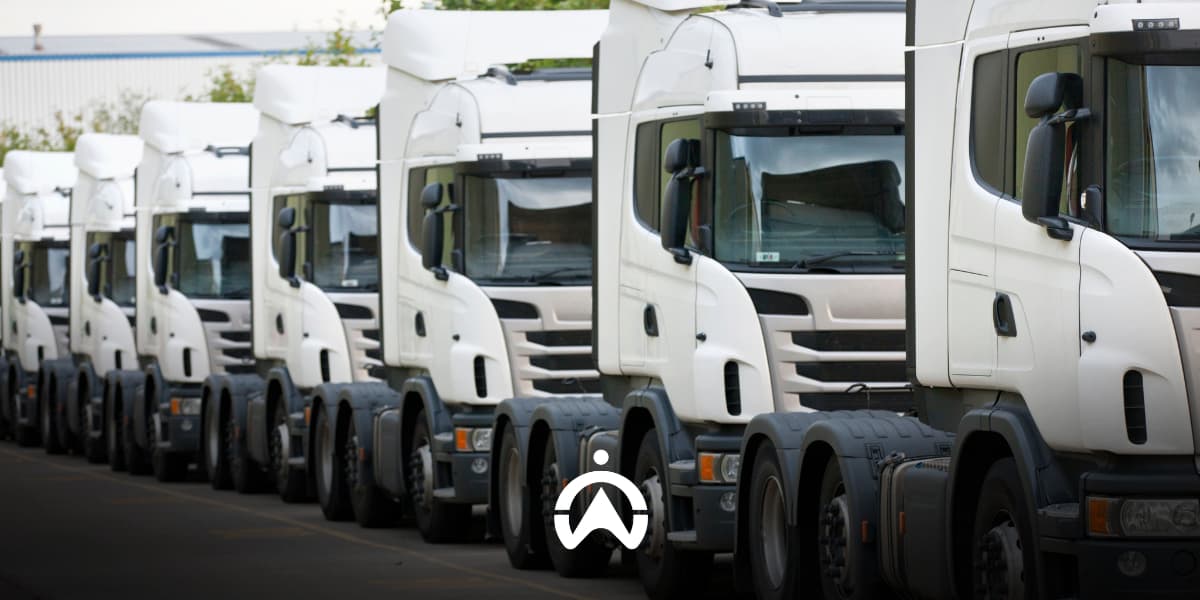
Many fleets across the country have already had to adjust their prices to compensate for such a steep rise in petrol & diesel costs. If you own a business that relies on road transportation, chances are you were bracing yourself for MORE price increases. This is no longer necessary thanks to the recent South Africa fuel price drop—much to the relief of fleet owners who simply want to remain competitive.
Larger fleets will especially benefit if their vehicles are petrol-run, since diesel still sits at a relatively high price compared to where it was 4 months ago. Still, the diesel price has also decreased and will likely decrease even further in August 2026.
If your company uses delivery vans or regular sedans with internal combustion engines (ICE), you’ll immediately notice a difference in your fuel budget. That’s especially true if your vehicles travel across suburban areas where plenty of stopping-and-starting takes place.
It’s great that we’re all paying less for petrol, but having a long-term fuel-saving mindset is still important, because we simply don’t know what the petrol price will do in the future. Other habits you can adopt include driving strategies that naturally conserve fuel, making fewer shopping trips, idling less and maintaining good fuel purchasing records.
Once you adopt certain driving habits they quickly become second nature. Three are especially effective if you’re trying to make the most of this South Africa fuel price drop:
These sound like small habits, but over weeks, months and years they actually have the potential to save you thousands of your hard-earned rands.
Popping off to the shops at a whim is no longer a luxury most motorists can afford. Since fuel prices are higher than normal it’s only natural to plan shopping trips more carefully. When you need something, first go through your home and find out what else you can pick up while you’re out.
Think about the other stores near the one you’re going to. Is there a laundromat you need to drop clothes off at? Do your kids need stationery? What about toiletries or beauty products? Plan your trips wisely—because every litre really does count, now more than ever.
Get online and check out this report on the effects of idling on a vehicle. You’ll notice that it’s been proven: switching your car off for 10 seconds or more is more fuel-efficient than idling for the same amount of time.
When you commute to work every day you begin to grow familiar with robots and their patterns. If you pay attention you can easily switch your car off instead of idling when you know you’ll be stationary for 10 seconds or longer.
Have you been diligent in your fuel record-keeping? It’s hard to do when you’re collecting slips and making manual notes all the time. The Cartrack app gives you an additional digital logbook tool that makes this so much easier.
Opt for paperless accuracy by recording everything digitally going forward. It’s not only a great way to see where your spending is going, but generated reports can even be used for tax submissions to SARS.
Knowing what your car needs and when, isn’t always easy. But there are things you can do to raise the probability that it’s as healthy as can be expected. This includes checking your fluids (like oil, brake fluid and water) regularly when you stop at a garage to fill up. Checking tyres also has an impact on fuel use.
Having your car in optimal condition will ensure less fuel is being used and also save you on maintenance costs in the long run. Plus, you’ll have a car that lasts longer and sells for more!
We also did a deep dive on 10 fuel-saving methods in this blog, so give it a read, change your habits and start saving today.
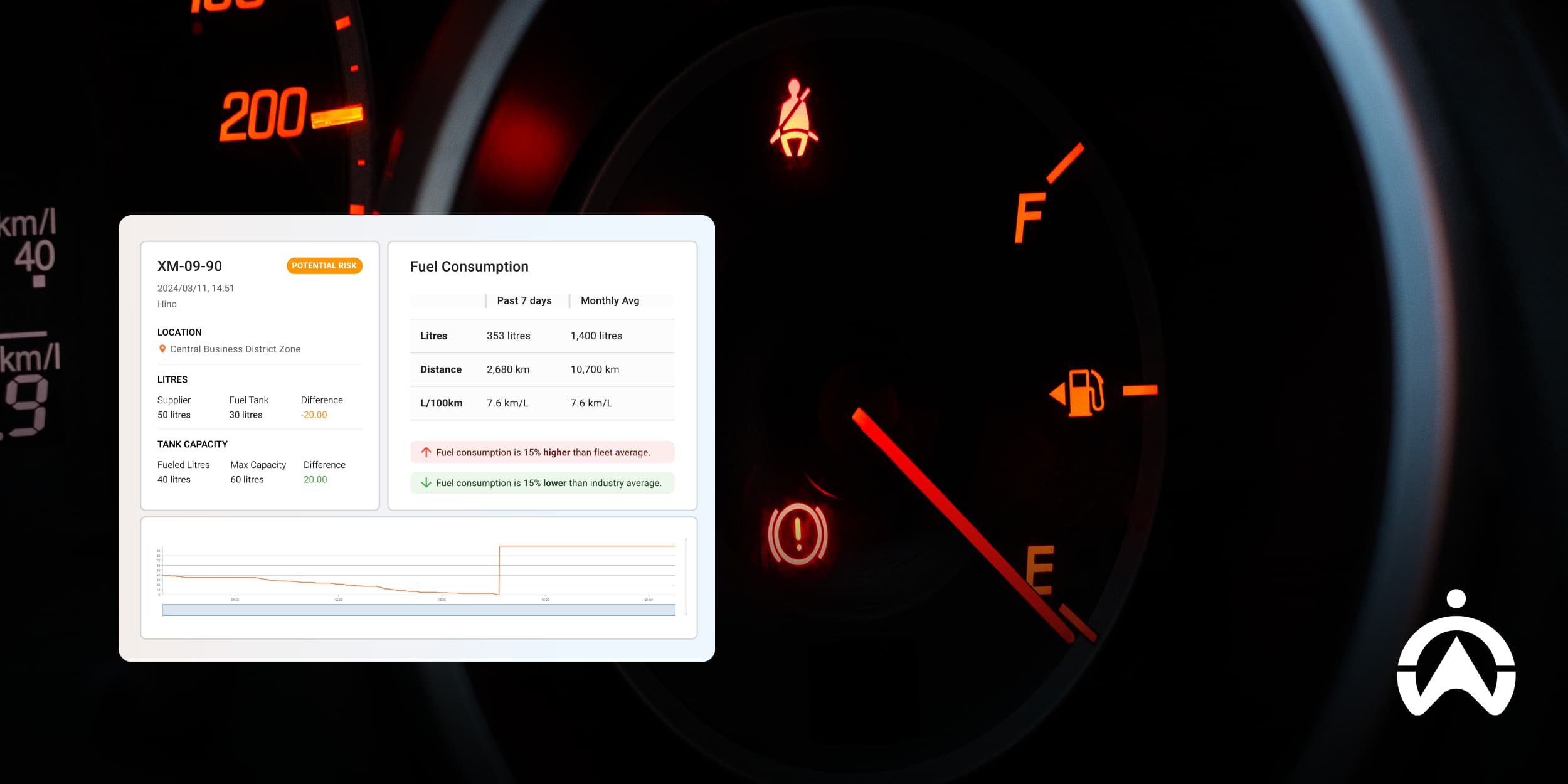
Strategies like driver monitoring, route optimisation and the minimisation of idling have had a huge impact on fleet fuel use across the country. Companies that rely on multiple vehicles to operate have several opportunities to save on fuel costs and make a real difference in their budgets.
While some fleets in SA focus on spending less for their fuel, it’s been proven time and again that cutting on usage is a much better strategy.
Let’s explore these strategies further.
How your vehicles are driven is the single most influential contributor to how much fuel your fleet uses. It naturally follows that monitoring, training and guiding your drivers is one of the leading ways to conserve fuel use.
There are a number of ways to do this, but combining them all has proven to be the most effective strategy by far:
The roads your drivers take contribute to many cumulative fuel usage outcomes. If longer routes are consistently being chosen over quicker ones, your fuel bill for every litre begins to add up. Some routes are also plagued with high traffic congestion, while others are full of potholes and other obstructions.
Automating your navigation has never been easier with Cartrack’s technology because it’s constantly updated in real time to give your drivers the most fuel-efficient routes. It also helps you monitor whether they’re being too autonomous in their route selection, or adhering to the routes you’ve authorised.
Skip the roadblocks, damaged roads and traffic as much as you can with route optimisation technology that focuses on saving fuel. These savings accumulate faster than you think!
Switch over to an operational strategy where idling is noticed and immediately addressed. Here’s where you can really save. Since idling accounts for one wasted litre after another, controlling this aspect of your vehicles is paramount.
Cartrack offers idling alerts and real-time driver communication that allows you to question and stop idling when it becomes excessive. We also have a platform that combines this technology with driver coaching and driver scorecards, allowing you to focus on fuel-burning aspects that might be affecting your fuel overheads negatively.
Cartrack has been the go-to for fleets with regards to cutting fuel use. This was true long before the fuel price surges we’ve recently seen. While we can’t do anything about the fuel price per litre, we can help you use less fuel thanks to our technology.
The best part about our fuel-saving packages is that they’re customisable. Your fleet is unique, and Cartrack understands that. That’s why we develop a package that includes the most effective tools for the size of your fleet and its characteristics.
Call us to start the discussion. Our consultants will tailor a package that’ll work at cutting your petrol or diesel use in ways that really make a difference to your bottom line.

Get insights into the recent drop in fuel expenses thanks to the decrease in oil prices. Let’s discuss how this affects motorists & fleets in South Africa.