
The five ways in which you can keep up with fleet maintenance are:
Following these five steps reduces frequent breakdowns, accidents, and the costs associated with repairs and downtime.
According to recent studies, the implementation of preventative maintenance strategies results in a 50% decrease in downtime, a 40% decrease in maintenance costs, and a 60% decline in equipment failure rates. The strategies include measures such as the ones we’ve outlined in this article. So read along and see which step you’re missing in your maintenance routine.
The five daily maintenance tips you can use to keep your fleet running smoothly are:
Together, these tips help you reduce the frequency of vehicle breakdowns and save costs.
Here’s a detailed breakdown of the importance of each method:
Performing vehicle inspections daily is crucial to ensuring driver safety. It also ensures that worn-out parts are noticed before they cause accidents or breakdowns. Your drivers must conduct these inspections before starting a trip and at the end of each day after completing all jobs.
Before starting a trip, your drivers must check essential components like tyres, brakes, mirrors, fluid levels, lights and dashboard warnings. They should also look under the vehicles for any leaks or other vehicle components that might be hanging out.
For post-trip inspections, your drivers must look for damage that may have developed during trips, like steering mechanisms, parking brake systems, mirrors, windscreen wipers, and tyres.
Taking your vehicles in for servicing within the recommended time periods prevents future costly repairs due to mechanical failure and helps sustain vehicle performance. It also extends the lifespan of your fleet because vehicle components will remain in good condition for longer periods. Sticking to preventative maintenance schedules enhances safety, as it ensures that your vehicles are roadworthy.
You must invest in predictive maintenance technology to get early warnings of vehicle component faults. Some issues may not be visible to drivers during their daily inspections and may appear before the scheduled time for service. This means they'll go unnoticed for a while until there's a sudden breakdown, resulting in costly emergency repairs and unplanned downtime.
Predictive maintenance is the bridge between vehicle damage that can’t be noticed easily by drivers and the waiting time for recommended service dates. Through artificial intelligence (AI), telematics, and sensors, this technology can detect things like engine faults, worn-out brakes, and tyre pressure. This ensures that you always know of issues before they worsen.

It’s important to train and educate your drivers on how certain driving habits impact vehicle health and maintenance costs. Driving habits such as speeding, idling for too long, sudden braking, and harsh cornering increase wear & tear, leading to more breakdowns. So by training your drivers to improve their habits, you reduce the frequency of breakdowns.
You can use telematics devices to carefully monitor driver behaviour, so you know exactly which habits are common among your drivers and the kind of training they need. You can also use the reports to motivate your drivers and reward those who are showing improvement.
Keeping a good record of vehicle maintenance history gives you proof of proper care, which is essential for warranty claims and improving the resale value of your vehicles. The information gathered from good maintenance history records proves very helpful when it comes to diagnosing issues, planning for future maintenance tasks, and preparing for audits.
Your fleet’s maintenance history works the same way a doctor relies on your medical records; it helps identify issues early and guides the mechanic to the right “treatment”.
Your maintenance records should include the following:
Cheaper vehicle parts might seem like a win for the budget, but in actual fact, they’re not. They’ll cost you more in the long run, as they’ll always need to be repaired or simply replaced again. Cheaper consumables also increase your budget because they run out faster. Poor quality oil, for example, can harm your engine, bringing about MORE problems than it solves.
So ensure that you use quality components for your vehicles to lower your maintenance costs, minimise downtime, and ensure that your fleet vehicles function optimally.
To build a maintenance culture in your fleet, you need to:
In doing so, you turn maintenance into a natural part of your team’s routine.
Here’s a detailed breakdown of how you can build a maintenance culture:
Setting clear expectations means developing policies that lay out in detail all the procedures, from daily inspections to what to do in the event of a breakdown. There should also be a maintenance plan for each type of vehicle, taking into account the specifications of each vehicle. Your team will then know what’s required of them and act accordingly.
You must include the routine inspections in the normal daily schedule, rather than treating them as optional or extra tasks. This way, your drivers won’t rush through the inspections and take off with the fear of falling behind schedule. The maintenance shouldn’t feel like an additional burden.
Your drivers should be accountable for the vehicles they operate. You need to make them understand their role in vehicle care. They should understand how reporting vehicle issues early protects both the vehicle and the business. They should also understand the consequences of not following procedures.
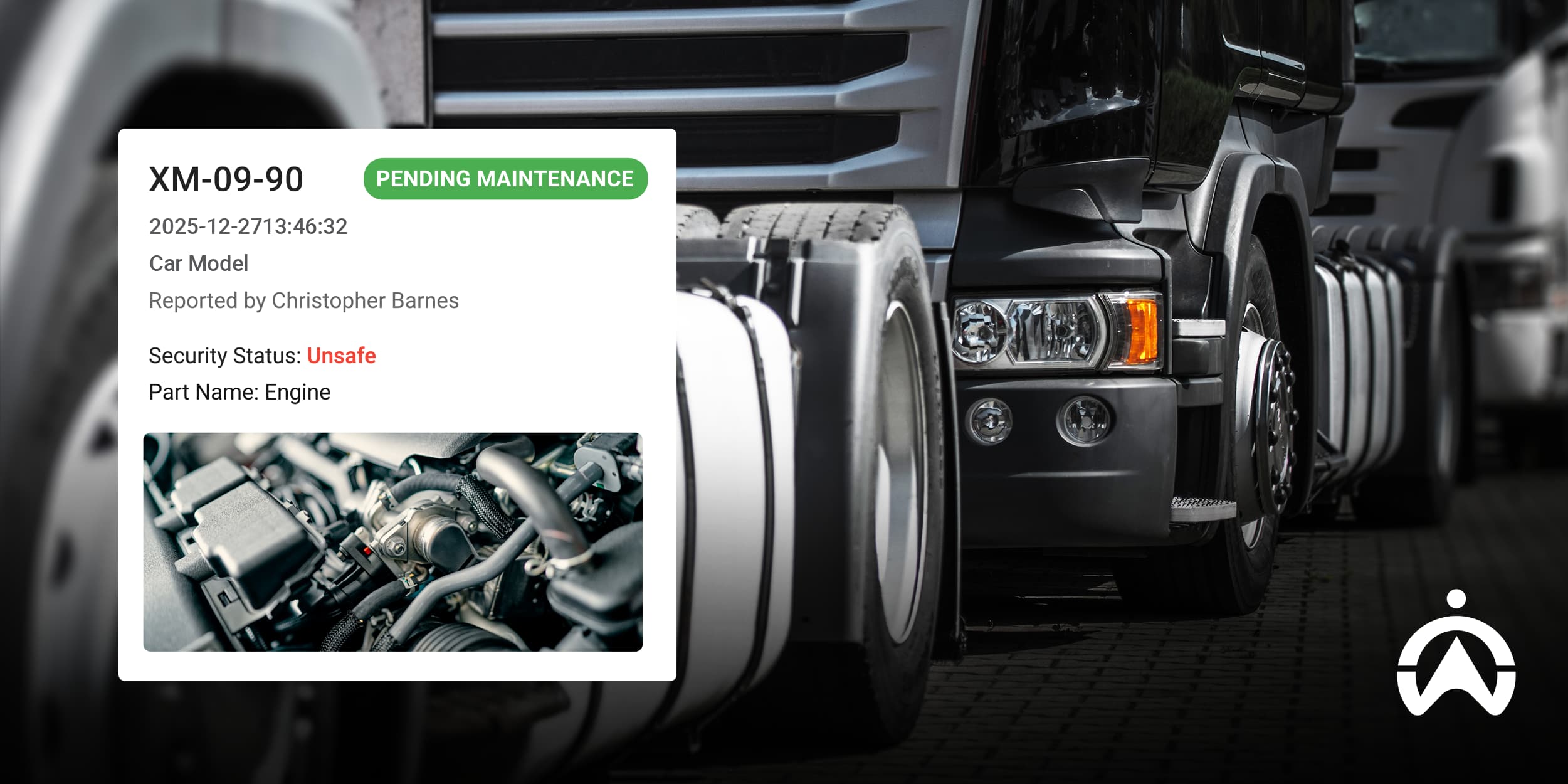
At Cartrack we help you maintain a healthier fleet by giving you digital tools that help track the health of your fleet in real time. This makes fleet maintenance less of a daunting task as it'll be easier and less time-consuming.
Here are our top maintenance solutions for fleet maintenance:
With Cartrack’s predictive maintenance technology, you’ll get early warning alerts of things like worn-out brake pads or issues with the engine, so you can address them as soon as possible. This way, you avoid breakdowns and unplanned downtime. You also save your drivers from accidents caused by mechanical failures.
Our preventative maintenance solution helps you automate your service maintenance scheduling. You can import the original manufacturer's recommended service schedule for each vehicle into our system and set reminders on our platform so you don’t miss the dates. This eliminates the amount of time wasted by searching for each vehicle’s service schedule manually.
Our system helps you maintain a digital record of your maintenance history, making it easier to track repairs and services over the years. You can easily access all the details when it’s time to sell your fleet vehicles or when a mechanic needs to review what’s been done.
To simplify the process of conducting pre- and post-trip inspections, our system gives you the option of creating digital inspection forms. This is where you can create a checklist of which vehicle components need to be looked out for when forming their checks. You’ll receive feedback on one platform, reducing paperwork, and ensuring you know of issues quicker.
Through our telematics system, you can keep track of driving behaviours like speeding and harsh braking, which increase wear & tear. You’ll get detailed reports of each harsh event, ensuring that you address your concerns with your team based on factual evidence. This also helps you to identify which habits to focus on when training your drivers about healthier driving habits.
Another way to encourage better driving behaviour is by recognising and rewarding good driving. Our fleet management system helps you with this through our Driver Scorecards solution. How this solution works is that it tracks on-road behaviour using our telematics system. Each driver gets a rating based on their number of harsh driving incidents, and you use these ratings to reward those with the best score while identifying which drivers need more training.
Cartrack gives you an all-round fleet maintenance solution. Throughout our years in the fleet management industry, we’ve seen the differences maintenance software and everyday maintenance habits can bring to your business. Our solutions create safer, more reliable, and more cost-effective fleets. So join us today and watch the health of your fleet transform for the better!

Learn five simple daily fleet maintenance tips that help prevent breakdowns, cut costs, and keep your vehicles running smoothly.