
As we all know, diesel engines are the smart choice for truck fleets. The fuel lasts longer, they require less maintenance compared to petrol, and they have a longer lifespan…or do they? The truth is, diesel engines do indeed present many benefits, but their lifespan depends on how you treat them. A lot of the time, drivers make small mistakes, like driving too slow and skipping oil changes, not knowing that these actions can affect the longevity of the engine.
Today we discuss truck diesel engine health in detail, giving you the 9 most critical mistakes drivers make that degrade diesel engines. We also give you tips on how you can prevent this from happening and the technology you need for complete control.
The engine is a very sensitive part of the vehicle that many forget to take care of. It can be damaged by many of the daily habits truck drivers form, like overloading the truck and ignoring warning lights. Knowing exactly how these habits affect diesel truck engines can save you from having to repair or replace a vehicle.
Diesel engines are designed for long-distance trips. They take time to warm up and reach the temperature needed for efficient operation. If you use a diesel-powered vehicle for short trips, the oil won’t be warm enough to lubricate the engine components. This leads to things like blocked diesel particulate filters (DPF) and carbon buildup, which increase engine wear.
How to prevent it:
Make sure you change your oil more often to keep the engine lubricated. For future purchases, you should rather get electric or hybrid light commercial vehicles (LVC) for short-trip duties instead of ones with diesel engines. You must also ensure that drivers follow DPF regeneration protocols, like monitoring warning lights.
An overloaded vehicle increases the amount of work an engine has to do to burn fuel. This can cause overheating, transmission failure, and damage to the internal components of the engine. It also increases tyre and brake wear, and reduces fuel efficiency.
How to prevent it:
Know the weight limit for each truck and verify the weight before a truck leaves the loading point. Have an on-site weighbridge and ensure the trucks are weighed before and after the cargo is loaded. This step should be included in standard operating procedures so everyone knows it’s non-negotiable.
Also known as lugging the engine, this refers to habits like going up the hill in high gears or accelerating too early. Many drivers do it because they think it saves fuel. It actually doesn’t.
Running a diesel engine at low revolutions per minute (RPMs) leads to vibrations that can loosen the bolts and components. It strains the pistons and causes damage to the rod bearings. It also lowers oil pressure and affects clutch performance.
How to prevent it:
Teach your drivers about the effects of low RPMs when the truck is working hard, like when carrying heavy loads, and help them develop better habits. In these cases, their RPMs should usually be between 1,000 - 1,800. It also depends on the type of truck it is, so make sure you check the owner’s manual. You can also monitor RPMs using fleet management software.
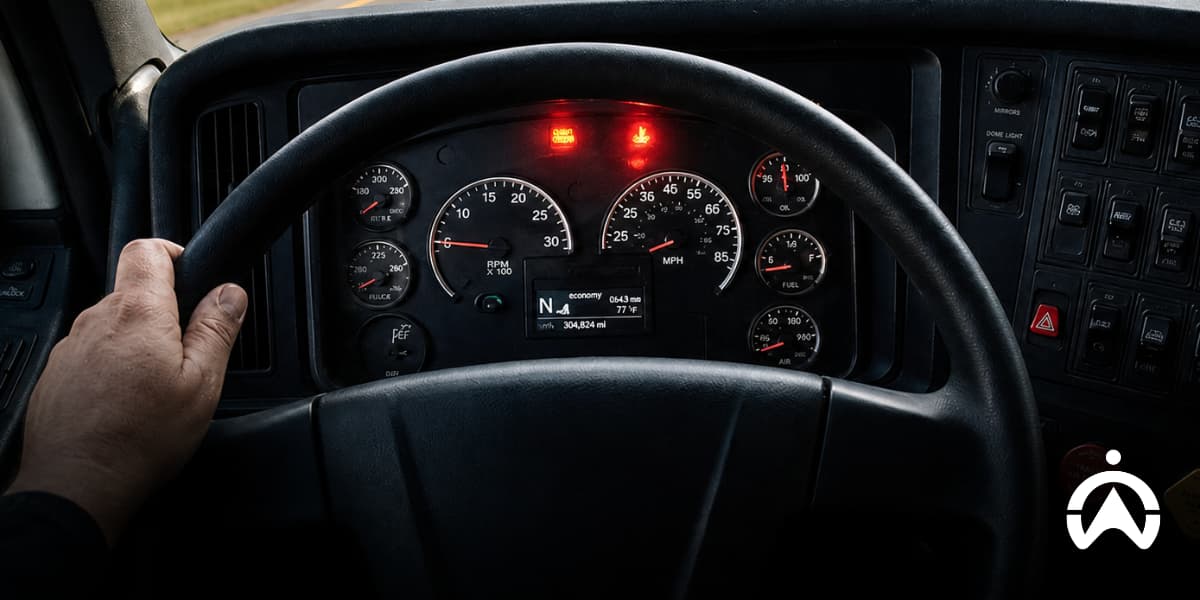
The purpose of fuel filters is to block dirt from the fuel from going into the engine. Leaving them unchanged contaminates the injection system, which generates more heat. Air filters stop things like dust from going into the engine and causing weak performance. Not changing air filters allows dirt to build up and clog the engine, which results in smoke coming out of the exhaust.
How to prevent it:
Check what your vehicle manufacturer recommends. Generally, truck air filters should be replaced every 15 000 km, and fuel filters should be changed every 30 000 to 60 000 km. You must set reminders for each truck to ensure your drivers replace the filters on time.
The coolant fluid is there to regulate engine temperature. It absorbs the heat generated during combustion, preventing it from overheating. It also protects the engine’s cooling system. Coolant fluid also contains antifreeze, which is a chemical that ensures the water in the engine doesn’t freeze when the weather is too cold.
So essentially, skipping coolant changes causes the engine to overheat and also damages the hoses and water pumps. It also puts the engine at risk of freezing up in cold temperatures, which can damage it
How to prevent it:
Ensure drivers check coolant levels before starting long-distance trips. Set reminders for conducting regular coolant changes according to what the manufacturer recommends. Clean up the cooling system regularly. Ensure drivers know the signs of coolant problems; such as coolant leaks, overheating and white smoke from the exhaust.
When a truck is left idling for long periods, the engine runs cool, which leads to incomplete combustion. This causes buildup within engine components like the piston rings and liners, which eventually results in engine wear and poor performance.
How to prevent it:
Include an idling-time limit in your Standard Operating Procedures (SOP) so drivers know how much idling is too much. Use telematics technology to monitor idling hours so you can single out those still struggling and send them for training.
If your drivers ignore signs of engine issues like the temperature warning light, the exhaust releasing a lot of smoke, or leaks, the issues within the engine will continue and eventually destroy it.
How to prevent it:
Ensure drivers perform pre-and post strip inspections and ensure you include such signs in your checklists so drivers don't forget to notify you of these issues. This way you’ll know when to call the mechanic for a professional analysis.
Using the wrong oil increases heat, wear, and fuel consumption, while skipping oil changes reduces lubrication. Both these acts of negligence negatively impact the engine, which eventually leads to increased wear.
How to prevent it:
Drivers must know the oil specifications of each vehicle according to the OEM recommendations so they don't make the mistake of choosing the wrong one. Ensure oil changes happen more often so the engine remains lubricated.
Diesel contains solid particles which usually settle at the bottom of a tank. When fuel levels are low, those particles can get pulled into the fuel system. This once again clogs the filters, interrupts fuel flow, and damages the injector.
How to prevent it:
Encourage drivers not to wait until the tanks are nearly empty before their next refill. Use fuel sensors to monitor tank levels. Get fuel level sensors to get reports of live in-tank fuel levels so you can identify vehicles that often run on low fuel levels.
Always knowing what's wrong with your engine is impossible because some signs aren’t visible or take a long time to notice. A fleet management system comes with various solutions to help you prevent engine wear, like:
A telematics device can tell when a driver is accelerating, braking, or idling. Once these habits become excessive, the system will pick it up and alert you. Through this information you’ll see which habits are common and can organise group or individual training. This way, they’ll know which of their habits are straining the engine and how they can improve.
Predictive maintenance refers to using advanced technology to alert you of internal vehicle component issues. This technology monitors different parts of the vehicle, including the engine, to identify issues that could cause breakdowns in the near future.
With a fleet management system and the power of telematics, you’ll get to see other vehicle details such as vehicle mileage. Using this information, you can set reminders for maintenance-related tasks. For example, if an air filter needs replacing every 20 000 km, you can set reminders for your fleet system to alert you when the truck is about to reach that mileage, instead of having to physically check each truck yourself.
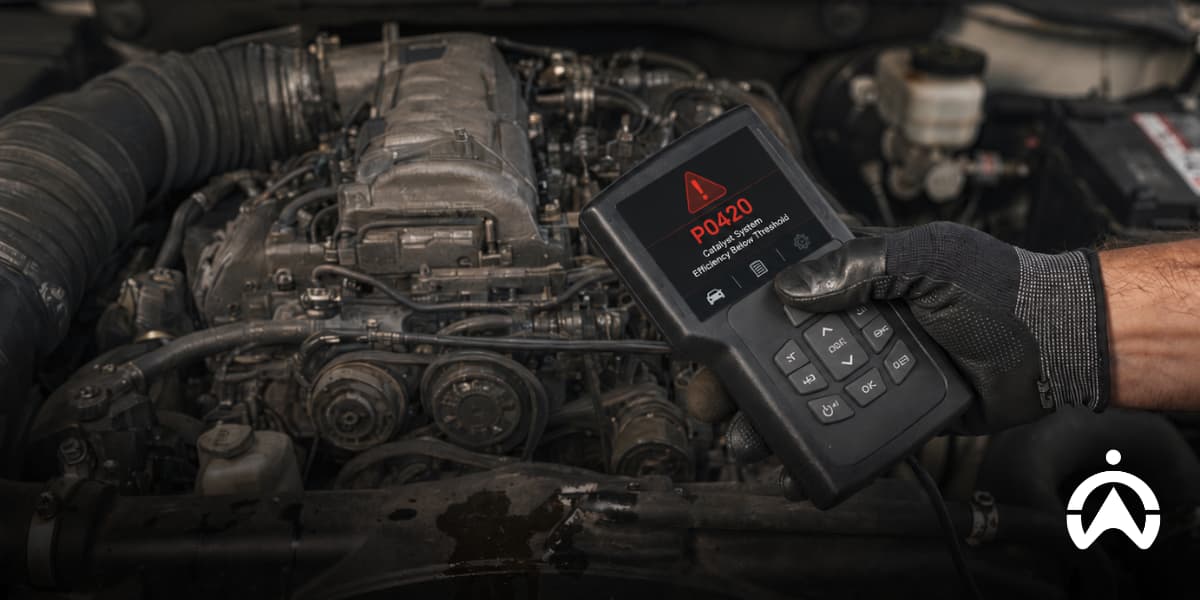
At Cartrack, we provide solutions that give you insight into your truck fleet operations, helping you improve vehicle upkeep and save costs. Over the years, our preventative maintenance solutions have assisted many of the fleet businesses that have partnered with us.
Here's what we have:
With our service reminders, you can set maintenance-related notifications for things like oil changes based on what the manufacturer recommends. You can add the cellphone numbers to the email address of the specific person responsible for attending to that reminder and they’ll receive an SMS or email when the deadline approaches. You’ll get a table overview of all tasks that are due soon, overdue, and completed.
The Controller Area Network Bus (CANBus) is a vehicle’s communication system that can be found in most modern vehicles. It allows different Electronic Control Units (ECUs) to communicate with each other. ECUs include components like:
How does Cartrack fit into all of this?
We "read the brain” of your truck’s CAN Bus system so you can see what the vehicle is “thinking”. We do this by tapping into your vehicle’s CAN Bus wire using a clamp, so you can get all details of vehicle health on our fleet management platform. From there, you’ll get information on things like RPMS, oil temperature, oil pressure, coolant temperature, and fuel levels inside the engine.
To help reduce the engine damage caused by excessive idling, we give you detailed idle reports that show you the total time each vehicle was idling over a certain period. This way you can speak to the drivers and find out what forces them to idle for so long.
Just by hovering over each vehicle on our platform, you’ll see the truck's revolutions per minute (RPMs), so you can check if they’re above or below the recommended amount for engine efficiency.
Our driver scorecard system is there to help you create leaderboards based on driving behaviour. You can use this to improve engine health by monitoring common habits that directly affect engine performance.
To help one of the OEM truck companies that have partnered with us with improving engine health, we’ve custom-built a drive rating system that solely focuses on things like:
We get all this information through the CANBus system.
Each driver starts at 100 points, and every time their system picks up behaviours that affect the engine, they lose points. This way, the fleet manager can identify drivers who need more training and reward those who are doing well.
Ensure your truck engines are always in good health to avoid accidents & downtime and save costs. You’ll have less to worry about and dedicate more of your time to other important tasks. Reach out to us and let us help you run a better fleet.
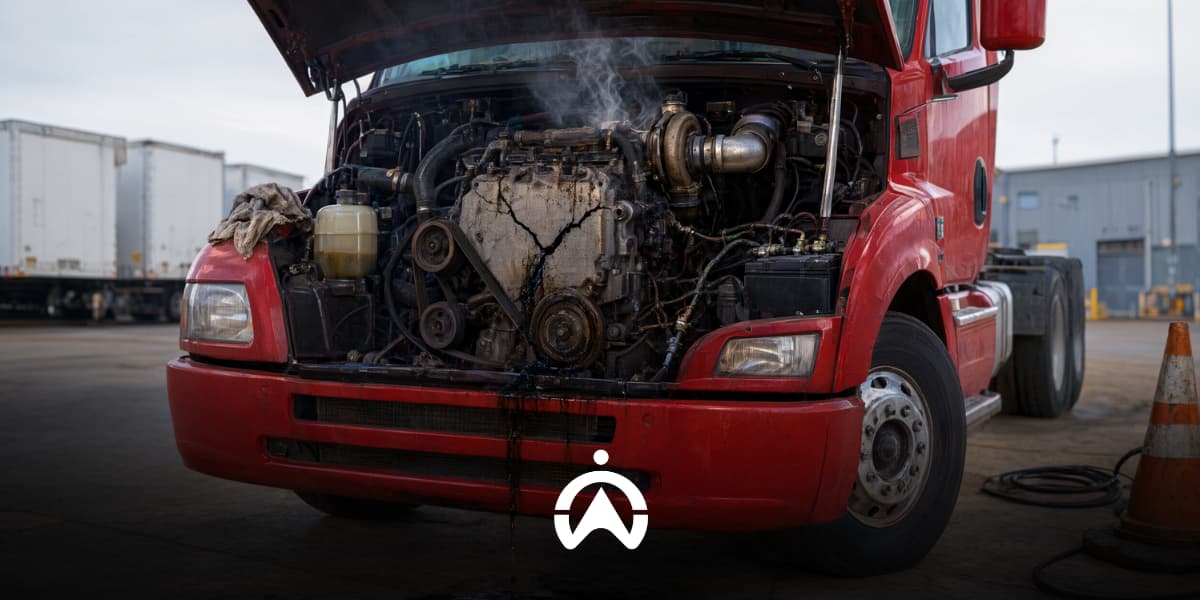
Learn more about the habits that destroy the health of a diesel truck engine and how fleet maintenance technology can assist in improving engine upkeep.