Defensive driving techniques that’ll keep you safer on South Africa’s road begin with focusing on the road, maintaining a safe following distance, and always looking ahead for hazards. By also obeying the rules of the road and being generally courteous to other drivers, you can maintain your safety and the safety of your passengers on the road.
In this article we’ll discuss 12 easy-to-remember defensive driving techniques, why they work to protect you, and how you can develop them as driving habits. Keep the word F.O.U.N.D.A.T.I.O.N.A.L in mind as you read these tips from Cartrack, as this will be your way of remembering them long after you’ve finished this blog.
These aren’t just throw-away tips you’ve heard a hundred times before. They’re actually backed up by interesting statistics, accident reconstructing experts, professional drivers, and law enforcement. As we go through each one, try to focus on how YOU can be a defensive driver in South Africa even when others are driving badly.
At the forefront of safer driving is staying free of distractions. When you’re driving, all of your attention should be on what you’re doing. Those of us who’ve been driving for many years tend to go into “auto-pilot mode” when we get into our cars, and this can lead to allowing ourselves to get distracted and miss things that would’ve otherwise been obvious.
Ways to focus on the road when driving:
According to an article by DSC Law, the top cause of road accidents is distraction. This is usually in the form of texting, but can also be eating & drinking, talking to passengers, or watching something on a mobile device. By making a habit of avoiding these types of distractions, you’ll be a lot safer on the road.
The rules of the road are there for a reason, and keeping to them all is a sure way to stay safe on the road. While others may not share your resolve to obey SA’s road laws, those same laws are there to slow you down and give you enough time and space to spot dangerous situations.
Common road law violations that lead to accidents:
Did you know: Fleet companies see so much value in keeping their drivers in line with SA road laws, that they offer regular driver coaching and even monitor their driving using fleet management devices and software.
The three mirrors in your car are there to give you as much of a surrounding view of your vehicle as possible. When we go for our drivers license, it’s impressed upon each one of us to keep checking these mirrors—and for good reason. By knowing what’s going on around you at all times, you’ll be more self aware and able to gauge your movements more safely.
If you’ve been driving for a few years, it’s inevitable that you’ve come across someone with road rage at least once or twice. The important thing to remember in these situations is to not react. People with road rage might lose their ability to reason, and might even damage your car to get a reaction out of you.
What to do in a road rage incident:
At Cartrack we offer vehicle security dashcams that capture these disturbing incidents all the time. If the incident escalates to a criminal degree, it’s good to have evidence of what transpired before, during and after the road rage incident.
Trucks take up more road space and can’t react as quickly as your car or bakkie. While truck fleets take as many precautions as they can to prevent accidents, drivers still suffer from fatigue, distraction, and vehicle faults every once in a while.
When you’re near a truck—whether in front of, next to, or behind—always be extra alert. Keep an eye on their lights, watch their movements, and try to pass them as quickly as possible if possible.
As South African drivers, we’re all familiar with potholes, roadworks, and road obstructions. We must be aware of these things if we’re to stay safe, because many accidents are caused by driving normally despite these dangerous obstructions.
How can you do this?
You should also invest in a dashcam for your vehicle so that you can prove what went wrong if you happen to fall victim to one of these road hazards.
Taxi drivers are under immense pressure to transport as many passengers in a day as they can to make ends meet. While this is no excuse for unsafe driving, the reality is they have a reputation for being unpredictable on the road.
They might stop unexpectedly, turn without indicating, or even switch lanes without warning. Be aware of their unpredictability and keep your distance when you can. Avoid confrontation, be patient, and be extra alert when taxis are in your general vicinity.
Defensive driving involves the learned ability to see potential hazards ahead of time. Many vehicle accidents happen at intersections, since this is where collisions are more likely because of the multi-vehicle factor.
This is where you should be extra cautious—especially if the robots are out or the intersection is very busy.
Remember: The robots at intersections all have their own respective pattern, so don’t assume you can go until you get that green light or green arrow to tell you it’s your turn.
A big part of defensive driving is having a way to escape tight situations if something does go wrong. It’s a habit you can learn (and it’s well worth doing so) to always stop with enough space between the car ahead of you, as well as the cars beside you.
Hijacking is a reality in South Africa, and having a way of escape if you see someone approaching your car can be a life saver. Having space also keeps your car from getting scratched or bumped when everyone starts moving again.
Your visibility will be limited at night. Not just of the road, but of road signs and markings too. Periods of loadshedding don’t help the situation either, so extra care should be taken when you drive at night or through a dark tunnel.
Always make sure your lights are in working order. It’s also prudent to keep a torch in your cubbyhole in case you break down at night or in a dark place. As for driving, always make sure you can see ahead of you. If you can’t because of limited light or night blindness, it’s best to stop and call for help.
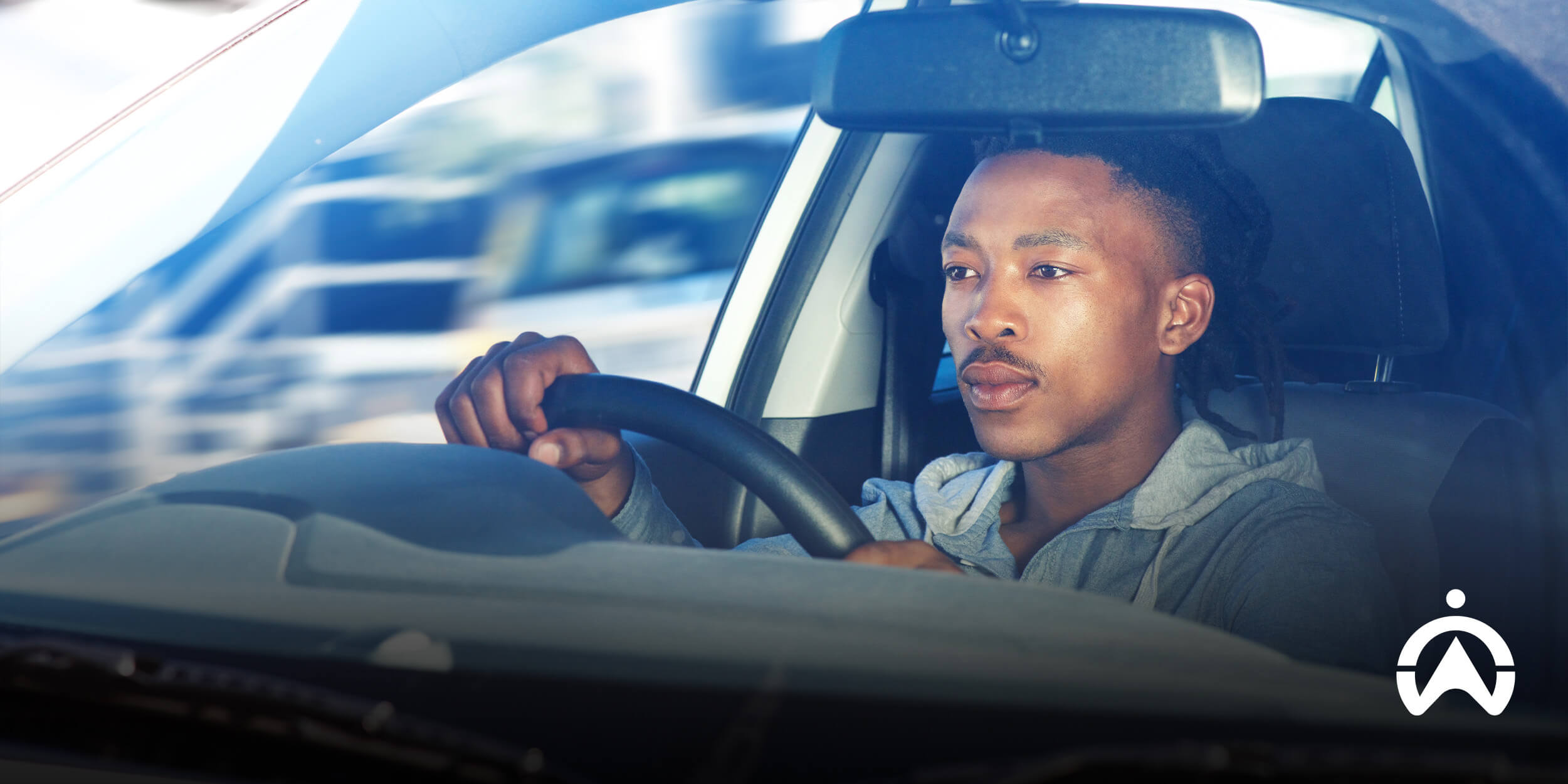
Hijacking is still a prevalent problem in South Africa—especially in Gauteng and the Eastern Cape. Defensive driving in South Africa must include our awareness of this issue, calling us to be extra vigilant whenever we stop. When it comes to this safety measure, prevention is better than cure.
It’s better to avoid getting into a hijacking situation if possible, rather than trying to get out of one. But if you do ever find yourself in a hijacking, scroll down to our FAQ section to learn what you should do.
The majority of South Africa’s population walk instead of drive. We have millions of pedestrians who walk the roads to go to work, do their grocery shopping, or attend school. For this reason it’s so important for South African drivers to scan for pedestrians. After a time this becomes second nature for most drivers, but going back to our first point, always be aware of this whether in the suburbs, the city, or rural areas.
There are constantly two small areas that you won’t be able to see while driving. Behind you to your left, and behind you to your right are known as blind spots, and unless you lean forward, your mirrors won’t reflect them. If you’re changing lanes, making a turn, or entering one road from another, it’s important to lean forward and check these blind spots before proceeding.
Technology is shaping road safety through telematics (vehicle & driving data collection). Thanks to GPS tracking, fleet management software, driver coaching software and vehicle camera technology, bad driving habits are being highlighted, addressed, and changed over time—not to mention vehicle crime being reduced.
Here’s an overview of what this looks like:
At Cartrack we give a lot of thought to how our technology can make driving safer for motorists and fleet drivers alike. Whether you’re a regular motorist who drives to work every day, or a truck driver working for a logistics company, we’ve got something that will make your life easier and save you money.
Give us a call, select the most relevant option, and speak to a consultant today to find out more.
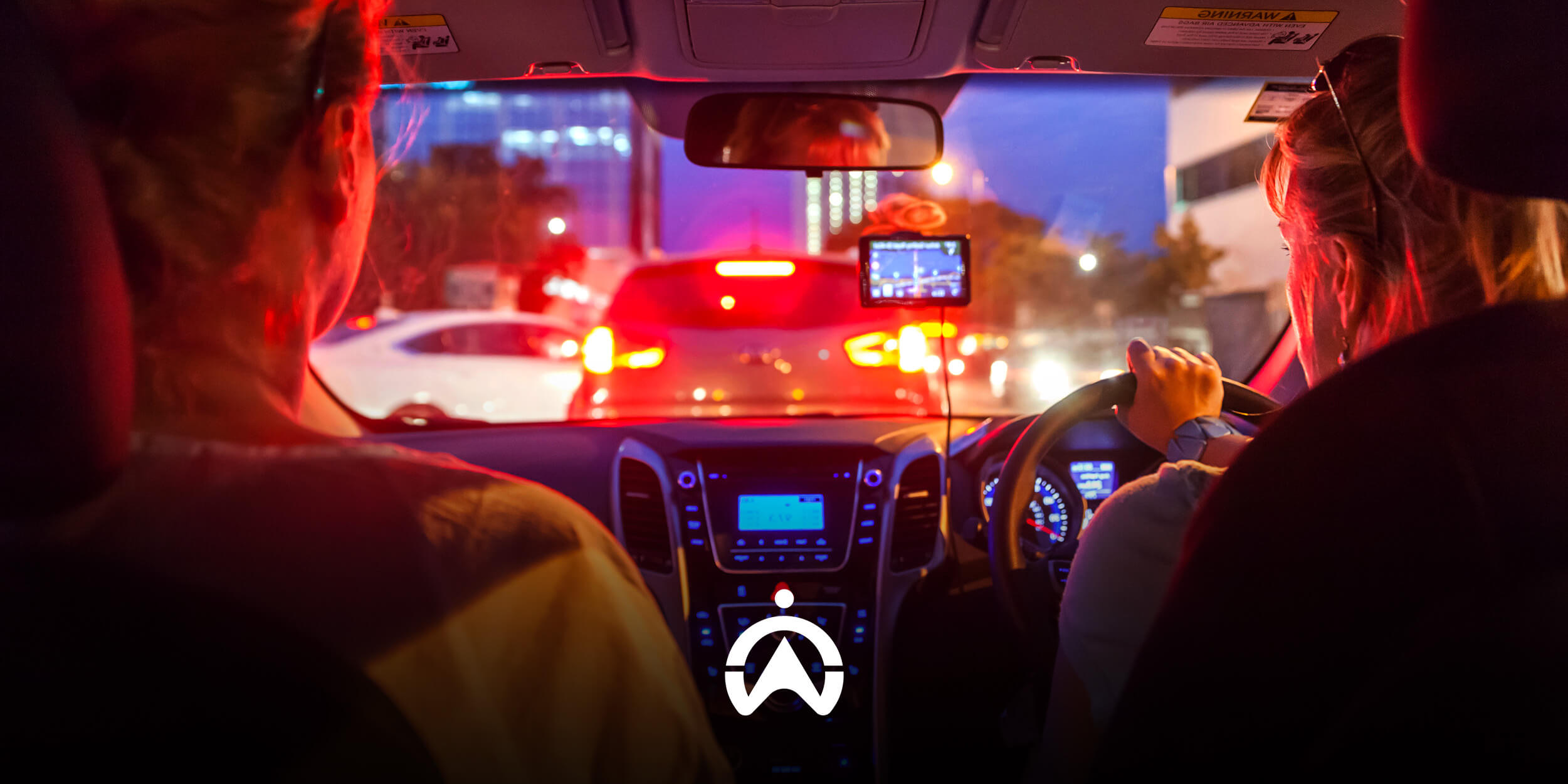
Learn defensive driving techniques for South African roads to reduce risks, handle hazards, and drive safely in traffic, weather, and rural conditions.