
Important food transportation facts in fleet management are that keeping your perishable goods fresh during transport directly impacts your profits, and that mixing food loads is a big NO! Other facts include ethical food distribution regulations, the new R638 rule, and that load shedding still influences logistics in 2026 despite recent grid stability.
It’s a lot to take in. But Cartrack is here to walk you through your food transportation necessities and show you the easiest ways to stay compliant, preserve your profits, and keep your operations running smoothly.
But first, the bad news: according to the WWF, 10 million tonnes of food are lost in South Africa every year! That’s a whopping ⅓ of all the food we produce within the country! And if you thought the consumer was to blame, you’re dead wrong. Most of this waste happens before it even reaches the average shopper.
This is concerning, but it’s a fair warning that food logistics MUST be taken more seriously. Cartrack is more than familiar with food transportation facts and fleet management, which is why many of our software solutions cater for this industry. So here’s everything you need to know.
4 important facts you should know about food transportation in South Africa are:
No, GPS technically isn’t mandatory for South African food transportation companies, but essentially, those who don’t adopt it will struggle to find customers. Insurance companies will also require your food logistics company to comply with Regulation 638, and so will all major retailers.
Regulation 638 is basically a 2018 directive that insists on temperature monitoring and camera monitoring for any and all vehicles involved in transporting food goods in bulk.
NOTE: If you’re not already implementing GPS tracking and on-road cold storage management for your trucks, don’t panic. A Cartrack consultant can guide you on what you need and how to get it within a short period of time.
Regulation 918 was the old food transportation government directive. It’s now been replaced by R638, which has a bunch of updated (and stricter) rules for transporting food on the roads of South Africa.
When we think back to the history of load shedding, we see a huge improvement on the grid today as compared to 2024 and earlier years.
But logistics companies today are still investing millions into independent cooling units, solar-powered units, and even diesel generator cooling units. The reason for this is that the stationary process of logistics is where much food is wasted when the grid can’t provide power.
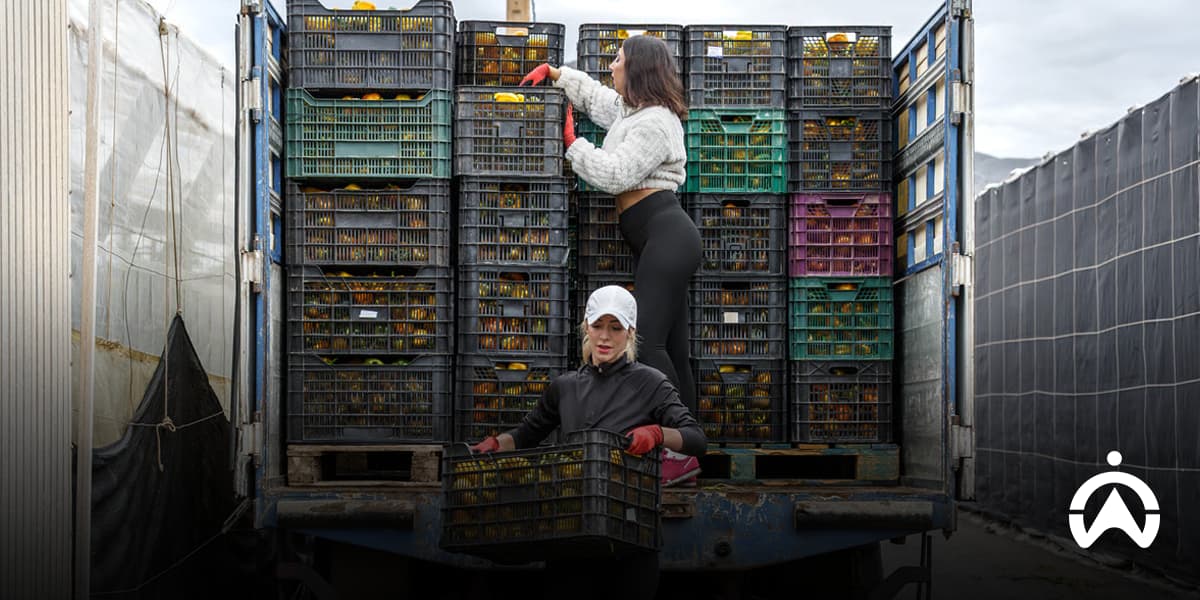
The reason there’s so much more emphasis on road logistics is because the rail & port infrastructure in SA is wearing down. Today it’s gaining a reputation for unreliability. Maintenance is taking too long, and there are simply too many delays (whether planned or unexpected).
Most of the food logistics in South Africa is now handled on the road, whether it’s bananas from Durban to Johannesburg, or wine from Cape Town to the Free State.
Food distributors and farmers feel that this mode of transportation gives them more control over their produce, but that doesn’t exempt them from the challenges associated with road logistics:
…the list goes on!
Can technology rescue these companies from all these challenges? Let’s take a look.
Technology is shaping the future of food logistics in the form of telematics, AI, and IoT (internet of things) devices. The goal of fleet management companies is to save the profits of transportation companies by eliminating food waste through targeted fleet management strategies that increase efficiency.
How do we do that? It’s simple. Let’s relook at the list above and show you how Cartrack eliminates many of these tough food transportation issues.
A truck full of food and perishable goods that gets into an accident is likely to suffer its cargo as a casualty. This is especially true for long-haul food logistics, because retrieving those goods is virtually impossible (or at best, improbable).
Cartrack helps reduce truck accidents as much as possible by offering:
This is one of the biggest culprits of food wastage. Perishable food must be kept at a certain temperature while in transit, but even the best cold storage units aren’t impervious to warm air entering too many times. If your drivers and staff are constantly opening the unit door, the food might be rejected by the retailer it's going to because of spoilage.
Cartrack helps to prevent this by offering IoT door sensors as well as cargo unit cameras. These sensors will alert you to frequent door openings so that you can act in real time. We also have cargo unit cameras that automatically turn on every time the cargo door is opened, so you can always tap in and see what’s happening with your food cargo.
Fuel is an often-overlooked overhead that food transporters must make peace with if they’re choosing to bypass port or rail options. Cartrack helps companies like yours to save on fuel costs by:
If your food transport truck gets stolen, you don’t just lose the vehicle; you lose everything it was carrying too! Insuring your cargo is expensive. And while it’s sometimes necessary to do so, having a GPS tracker from Cartrack for each of your trucks is a powerful layer of security, because Cartrack has a very high vehicle recovery success rate.
One of the more recent additions to Cartrack’s offering is the ability to PREDICT vehicle maintenance as well as schedule it according to those predictions. We do this by always knowing important factors about your food distribution vehicles:
Predictive vehicle maintenance also comes with another benefit: you can plan for downtime and account for it with a replacement vehicle. This also saves on food cargo, because a truck that isn’t moving is probably wasting the food on board.
Some thieves aren’t “accomplished” enough to be interested in your vehicles. Many would simply love to get their hands on the food items those vehicles are carrying. In the past, cargo theft left fleet managers with a lot of unanswered questions. Today we have vehicle security cameras to tell us exactly what happened.
Insurance companies will assess your risk by looking at how you run your fleet. By lowering the risk of theft and accidents for each food delivery vehicle, you can negotiate cheaper insurance rates.
That’s why investing in Cartrack’s software is worthwhile, because it ends up saving you in so many ways.

Unforeseen ways food gets wasted during the transportation process include:
Food waste can be prevented in SA by targeting the point of transportation that suffers the MOST waste, i.e. final distribution. This is the point where food trucks travel from warehouses to stores in order to deliver products for eventual selling. Through cold-chain management, route efficiency, and in-cabin temperature monitoring, more food will arrive at its destination without spoiling.
The best fleet management software for food logistics companies is a package that includes GPS tracking, route optimisation, in-transit cold storage management, vehicle cameras, and door sensors. Logistics companies can further benefit from fuel management software, vehicle recovery services, and driver coaching to further preserve their profits.
Fleet management software directly impacts the food logistics industry, while others are a tad more nuanced. At Cartrack you can tailor your OWN package and create a comprehensive service that fits your fleet like a glove.
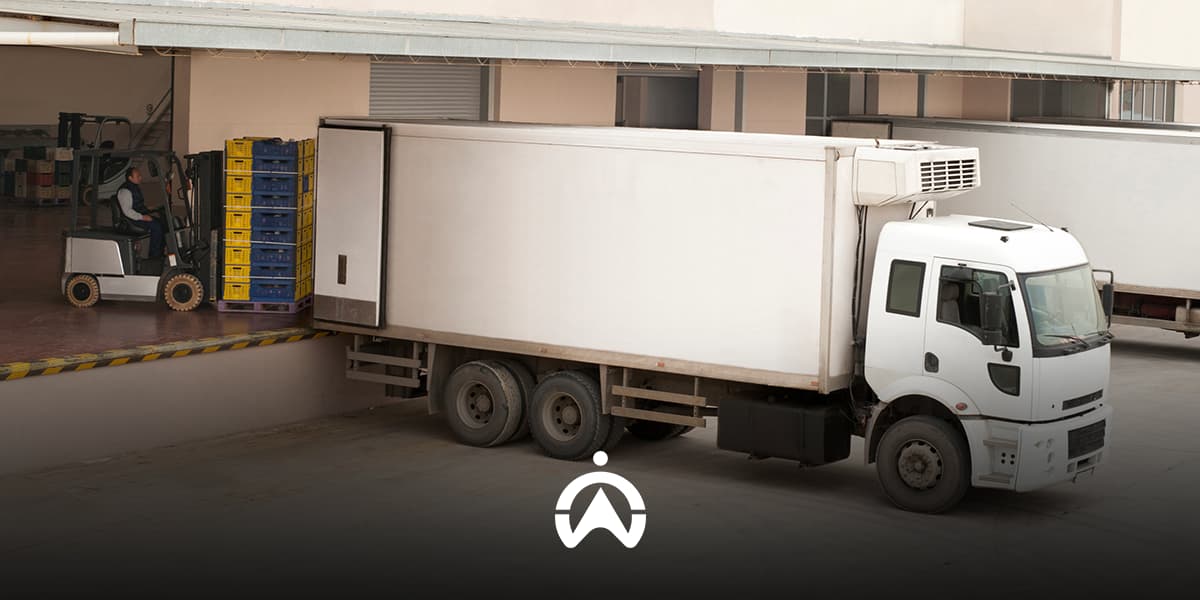
Improve your fleet’s performance with these must-know food transportation facts. From fuel efficiency to food safety, get the insights you need today.