A diesel truck loses anywhere between 24 and 32 litres to overnight idling, assuming you’re looking at an 8-hour overnight period. Because trucks are larger, they’re expected to lose at least 3-4 litres per hour, though the total number depends on the make & model of the truck, as well as the reason for idling.
The Road Freight Association (RFA) reports that fuel costs have surged to 33% to 60% of total operating expenses for local transport firms, hitting already strained businesses even harder. At a sensitive time where every drop of fuel matters, you have to recover those costs, face having to borrow fuel, or potentially shut down.
While you want your drivers to be as comfortable as they can be on their long-distance trips, idling can quietly (but very easily) drain your business. It’s a national crisis, and enterprises just like yours deserve to thrive in these tough conditions.
Keep reading to discover the math behind overnight idling and how Cartrack can help you manage this critical situation.
The true cost of allowing a diesel truck to idle overnight is roughly R888 to R1,184. According to Fuel Directory, as of June 2026, diesel is at a jaw-dropping R38 (give or take for inland prices) and about R37 (give or take for coastal prices). It depends on the truck and its consumption rate.
Here’s how we got to that number:
➡️ Average number of litres consumed overnight X current diesel amount per litre = the overnight fuel cost
Those estimated totals account for a single truck. With an entire fleet, you’re potentially setting your company back by hundreds of thousands of Rands per week.
According to separate studies through the University of Witwatersrand and the University of Pretoria, the average estimated idle consumption by vehicle type is as follows:
Remember, the true cost doesn’t just stop at fuel loss. Engine and component damage is also a serious maintenance expense.
Let’s break things down even further:
Businesses allow for overnight idling because they want to ensure that their long-haul drivers are comfortable and safe during their trips. It’s a lot more common than most people might think and is often seen as a necessary evil.
Despite this, fleet managers and owners are starting to feel the pinch of excessive idling and trying to move away from these practices.
Let’s look at some of these real-world reasons:
Crime in the country is a major concern to many, especially hard-working truck drivers on long stretches of roads carrying precious cargo. Most truck stops are isolated and dark, making drivers and their trucks perfect targets for criminals eyeing what’s in the cargo bay or in the fuel tank.
A driver might want to keep the truck idling so that everything stays running and operating, like security cameras, door sensors, fuel systems, and other monitoring equipment. A driver might also keep the truck idling in case a criminal gets brave. If danger arises, the driver can react quickly and simply drive off.
Long drives, especially during late nights, will see drivers feeling extreme South African weather. Summers can have the truck cabin feeling like an oven and winters like a freezer, especially when you consider how easily these cabins absorb ambient temperatures.
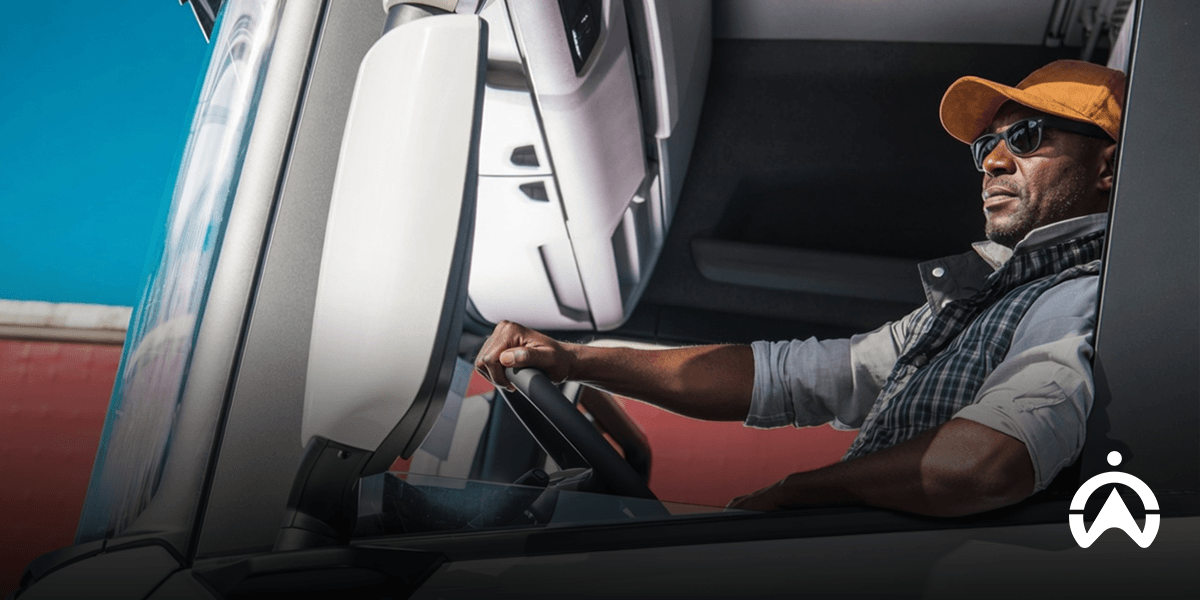
Exhaustion can also be a silent killer, so drivers need to rest comfortably. The truck might be kept idling so that the driver can remain cool/warm (depending on the season), relaxed, and safe while they sleep.
Some cargo is extremely temperature-sensitive, particularly in cold chain logistics. Pharmaceuticals, certain foods, and fine art are just some of the items that require carefully controlled cargo bays. Because of this, drivers might opt to idle to ensure the temperature doesn’t fluctuate and the power doesn’t cut.
When drivers have to transport cargo across borders, they might have to sit in those crossing queues for days. Although it’s quite common, drivers risk losing power for charging their personal gadgets, and their personal food supplies could spoil if they don’t idle the trucks and keep the power going.
When a truck idles, the most obvious and immediate impact is wasted fuel. Even if the truck isn’t moving, fuel is being consumed and wasted at your expense. But more than that, the truck is being damaged from the inside out.
You risk having to put more money towards servicing and maintaining your trucks.
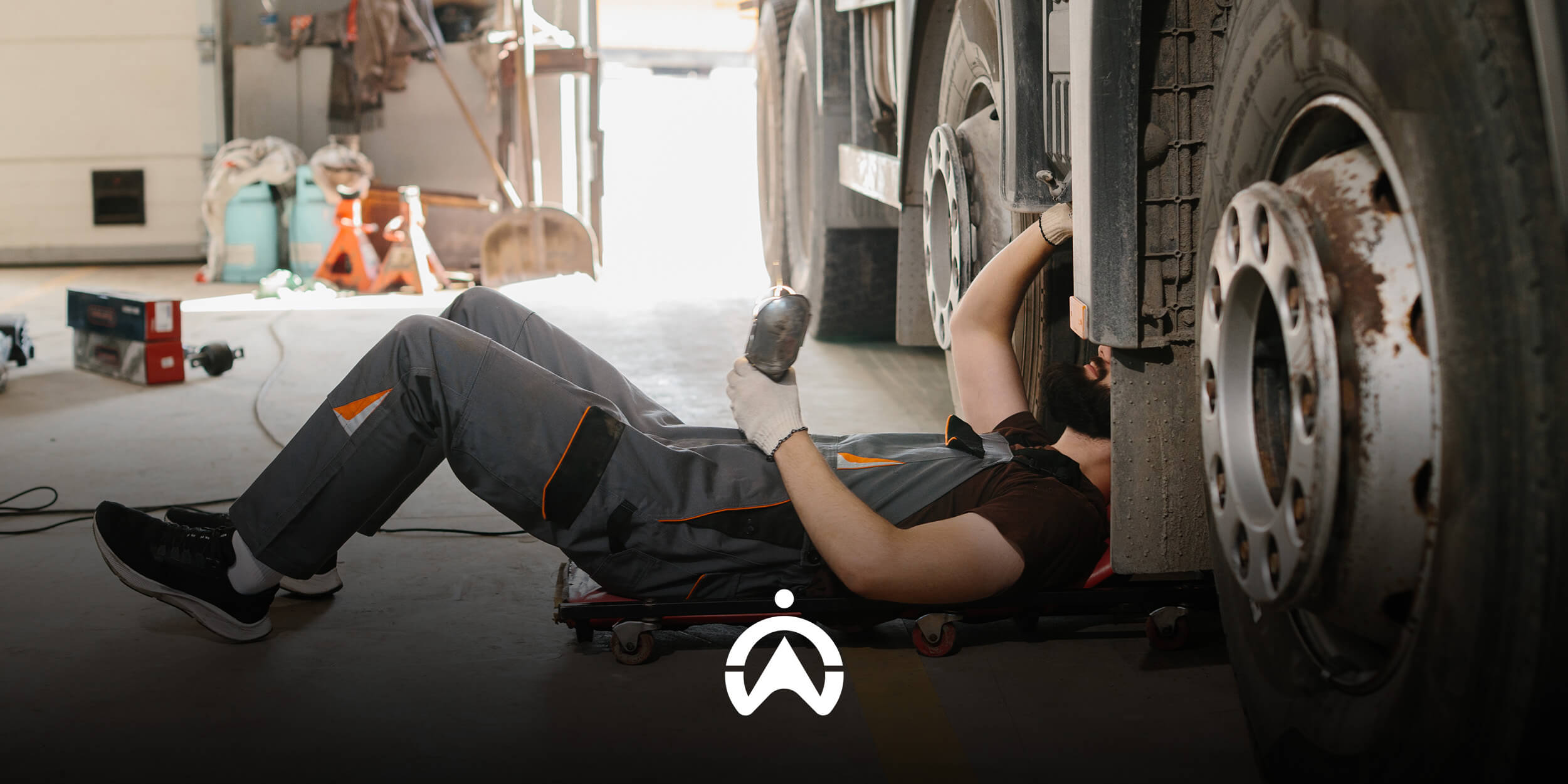
Idling puts an enormous amount of stress on the engine. You potentially dry out the engine’s oil lubrication and cut down its lifespan. Idling also doesn’t burn the engine oil completely, which means incomplete engine combustion and deterioration are caused.
When your vehicle is idling, some components are not sealed correctly, and a build-up of hot gases sifts into these internal components.
Idling also adds to the poor health of the drivers, and ultimately, the cost of environmental pollution. The combustion emits a great deal of pollution, and this pollution isn’t flowing anywhere, but instead, accumulating in the air & around the driver who’s breathing it in.
Yes, Cartrack’s smart telematics can protect your bottom line. We recognise that it’s getting harder to justify excessive idling in your fleet, especially at a time when diesel prices are so volatile. Wanting to phase out this habit is completely understandable, and could prove to be a sensible financial step for your business.
Let’s look at alternative solutions and Cartrack’s answers to your concerns:
Before diving into Cartrack’s smart solutions, we’d strongly suggest investing in APUs for your trucks. These small generators or battery-powered systems are like ‘baby engines’ for your trucks and are usually mounted to the side of the vehicle.
They provide power for your drivers that keeps the AC running, the phone charged, or a tiny fridge running with the driver’s food.
While it also requires fuel from the truck, it uses significantly less to keep the essentials powered. It also has a very quiet hum, helping drivers (and the other drivers that might potentially be around them) to get enough rest at a truck stop.
Through a combination of our fuel sensors and fuel management features, you’ll be able to see exactly where your diesel’s going. We carefully track stationary idling across your fleet, providing you with a detailed analysis of overnight wastage and areas of improvement.
This makes it easier for you to identify disparities and make informed, transformative, and data-led business decisions.
Cartrack allows you to set customised idling parameters. You’ll get automated alerts if any of your trucks exceed the set limits, i.e., if your truck idles for over 10 minutes at a rest stop and 10 minutes is the idling limit, you'll get an instant alert.
This allows you to immediately intercept and stop the potential overnight wastage that could occur.
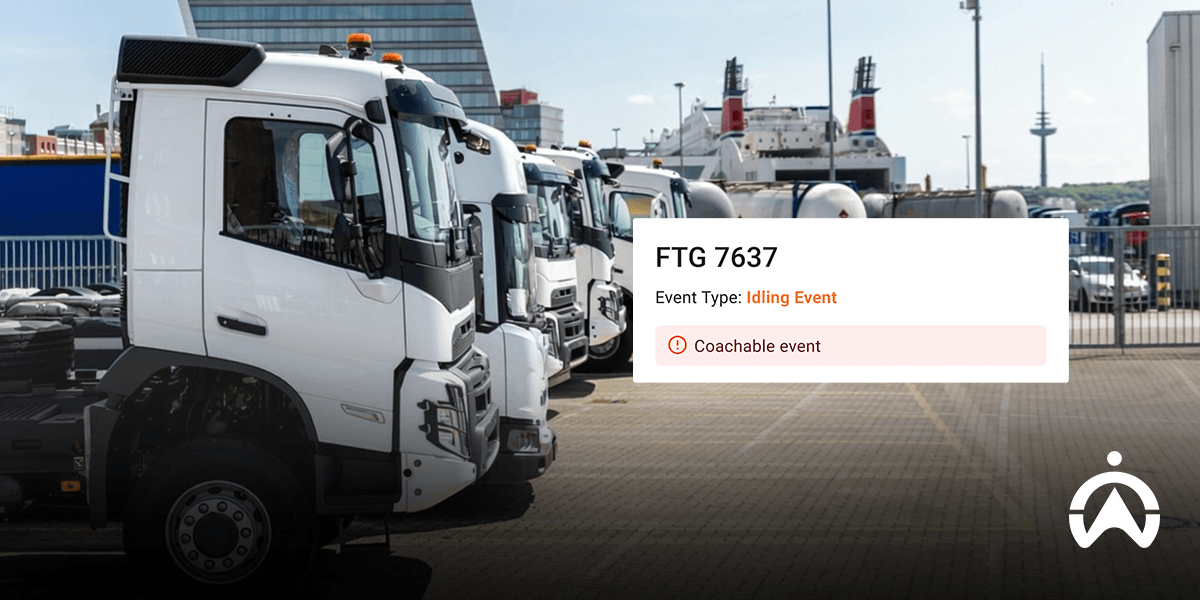
When you’re keeping a keen eye on driver behaviour, you see who’s carrying out those fuel-wasting habits. From aggressive driving to excessive stationary idling, investing in Cartrack’s driver-monitoring technologies will give you a competitive edge and a complete overview.
With this information, you can confidently coach your drivers and ensure they’re letting go of those overnight idling habits. You can also show them, with clear evidence, the impact that excessive stationary idling has on the fleet.
Our smart algorithms and dynamic routing ensure that your drivers are taking the best, most efficient routes to reach their destinations safely. Because our software accounts for factors like traffic, weather, roadblocks, and more, it consistently updates when necessary.
When trips are carefully planned & predicted, your drivers are taking the best routes and dealing with less traffic & fewer obstacles. This ensures they’re spending less time idling at a standstill, while allowing them to safely reach overnight truck stops or company depots.
This also means your drivers aren’t getting stuck in dangerous or high-risk areas, which cuts back on their need to idle throughout the night for their safety.
We know that you care about your drivers’ comfort while they take these demanding, lengthy journeys. But we also know that you can no longer afford the massive drains of fuel that come with the overnight idling that provides these comforts, especially when they directly translate to profit drains. As of late, no South African business can.
By bringing together sophisticated tools and insightful data from Cartrack, you can protect your bottom line while still protecting your staff. Cartrack's intuitive platform is all about helping your team arrive at secure, verified overnight stops right on schedule. This ensures your fleet only uses fuel when it’s genuinely necessary, so you can keep your business moving forward.
Don’t pay for your fleet to sit still. Speak to one of our Cartrack consultants today and turn the costly midnight engine buzz into cash that comes right back into your business.

Find out exactly how much fuel a truck burns during overnight idling. Discover how it accelerates engine wear and ultimately drains your bottom line.