To become fleet safety certified, you must look for a reputable skills development provider and see what courses they offer and their requirements. The course you choose needs to align with what you want to improve on. Ensure that you have enough resources available to complete the programme and make time for studying and assignments.
It’s no secret that South Africa has high road accident rates, and as a fleet manager, you must have the skills to mitigate the risk. A fleet safety certificate can help with that, but you’ll also need to have the right technology in place.
Today we discuss how to get fleet safety certified and how our fleet management system makes the process easier for you.
To get a fleet safety certification you must find a credible learning institution, check what the requirements are, and choose the training course that best suits your preferences. The courses normally differ depending on your job position and the things you need to focus on.
Some fleet safety courses can be carried out by fleet trainers because they know more about the topic and have the necessary material. They’ll also know which course will best suit you.
Fleet safety certification refers to completing an accredited programme with a series of courses that will help you effectively manage fleet safety. The courses teach you the skills you need to ensure driver safety and roadworthiness.
The courses typically include things like how to:
Fleet safety certifications are issued by several accredited institutions, like the Road Transport Management System (RTMS) and the National Occupational Safety Association (NOSA). Each programme differs depending on what you need.
A fleet safety certificate will bring many changes to your fleet because you’ll know more about:
This changes our entire outlook on running your fleet, helping you make more informed decisions.
Here’s what we mean.
Failing to meet the standard rules set by governing bodies in your industry means your fleet is not fit to operate. Compliance is not just about dodging fines and penalties; it’s about ensuring your vehicles are safe for use and that drivers are protected. It’s also about ensuring that your cargo or people are transported under favourable conditions.
Fleet safety certification courses give you a detailed breakdown of the building blocks of compliance. They show you what you should focus on and how to maintain your fleet better.

With a fleet safety certification course, you’ll better understand the amount of damage each accident can bring to your business. It breaks down things like liability, calculating the cost of repairs, and the cost of injuries. You’ll also know how to respond to accidents and develop a plan for such.
The courses also equip you with the skills to develop an accident reaction plan and teach you how to conduct accident investigations. You’ll also know what precautionary measures to take to reduce the chances of vehicle accidents.
The programme teaches you how to develop or implement safety and compliance policies. Through your training, you’ll be able to better explain the policies to your drivers so they know exactly what’s expected of them. This ensures your drivers are held responsible for their actions and know the consequences.
A fleet safety certification programme gives you all the tips and tricks for ensuring good vehicle health. You’ll learn the importance of preventive maintenance and better understand what you need to do. They’ll teach you things like tyre management, handling vehicle load limits, creating inspection checklists, and preventing road damage.
The information you’ll get from these courses will give you better fleet maintenance skills, resulting in a longer fleet lifespan and less downtime.
By reducing the frequency of accidents and improving vehicle health, you’ll save on the overall fleet running costs. How? Reduced vehicle wear & tear means less fuel consumption, and fewer accidents result in lower insurance premiums.
Your drivers are your company's frontline representatives, and how they behave directly affects the company's image. The more your vehicles are involved in accidents, the less trust your clients will have in your services. Obtaining a fleet safety certificate means you’ll enforce a safety culture within the company, which will then translate into a good company reputation.
A fleet management system assists you with getting your fleet safety certification by equipping you with the technology that helps you monitor and assess the risks that come with running a fleet business. This makes meeting fleet safety requirements easier because you’ll have solutions that specifically focus on safety, like:
The practical assessments that are done when doing the course will be quicker to finish when you have a fleet management system. For example, they might ask you to create a detailed report about all the accidents that’ve occurred during a set period. With a fleet management system, this becomes an easy task, as all the information you need will be in one place.
You’ll understand your practicals better when you have the right technology at your fingertips. This also helps you complete the course in record time.
The Cartrack solutions that help you get fleet safety certified are:
Together, these solutions enhance your fleet’s overall safety and make completing your assignments easier, bringing you closer to earning your certificate.
ADAS is a system that we provide to help you reduce the chances of accidents by enhancing driver awareness. The system consists of cameras, sensors, and artificial intelligence (AI) technology. Together they help your drivers avoid distractions that could lead to accidents, and also assist with things like lane departure and identifying blind spots.
For instance, if one of your drivers is texting while driving, the AI cameras will identify it as a distraction and then release a distinct alert so the driver can put the phone away and focus. At the same time, you’ll also receive a report of the incident, ensuring that you also address the matter. When you install our system in all your vehicles, you ensure that all drivers are safe and avoid accidents, saving you from the cost of downtime, repairs, and legal disputes.
Through our telematics-powered GPS tracking units, you’ll get detailed reports of incidents where drivers are speeding, harshly cornering, harshly braking, or excessively accelerating. The reports will help you see the common risky driving habits that need to be addressed.
We’ve also got Driver Identification (DID) tags, which help you see exactly who’s driving which vehicle. You’ll assign a tag to each driver that’ll be linked to their identification number, and they’ll have to tag the vehicle every time they use it. If anything goes wrong, you’ll know exactly who did it and investigate the matter.
You can also prevent unauthorised vehicle use by choosing the “start prevent” option, which simply means the ignition won't go on unless there's a tag. You can also ensure that the tags are linked to specific vehicles so that only drivers who are licensed for that specific vehicle can use it. This further enhances safety and compliance, bringing you closer to being safety certified.
Our Coaching platform is your solution to better training for fleet safety. This feature monitors all the risky events from each driver, like distractions and speeding violations. It shows you exactly how many times a driver repeated the same incident, and you can use this data for targeted coaching sessions. Coaches can save the outcomes of these sessions on the platform, so the next coach can see what was discussed with the driver in the last session and if there’s been any change.
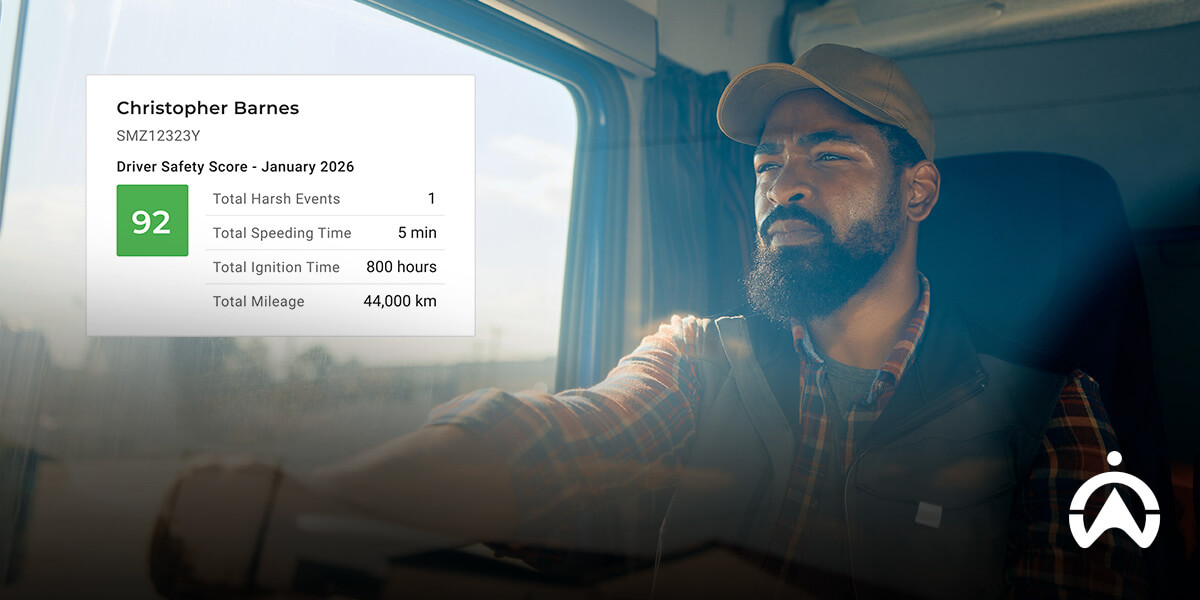
Another way to encourage safer driving is by motivating your drivers and giving them incentives for good behaviour. Our Driver Scorecards feature helps you better execute your incentive programme and shows you who needs to improve their driving. It rates each driver based on the number of violations they’ve committed. The driver with the highest rating will get recognition and incentives, and those who are not performing can be sent for more training.
Since proactive maintenance is one of the things you’ll learn about in your fleet safety course, we’ll get you ready for it with our preventative maintenance solutions. Using our platform, you can create an inspection checklist that drivers can use to inspect vehicle components before and after their trips. You’ll immediately see the feedback and identify which parts need to be replaced.
Another solution that’ll help you see the difference proactive maintenance makes is our vehicle diagnostics. Our advanced technology can detect certain mechanical failures, like when there’s an issue with the engine. We’ll give you an early warning of such issues so you can quickly fix them before they cause a breakdown or an accident. This ensures your vehicles remain roadworthy and that you don’t get penalised.
You can also import each vehicle’s service records onto our platform, so we can give you timely reminders of upcoming service dates.
With our solutions, you’ll be at an advantage once you start your fleet safety courses. You’ll have a better understanding of the importance of each topic, and you’ll easily implement what you learn through our fleet management system. So join us, and let’s help you enhance your fleet’s safety.

Are you wondering what it takes to get a fleet safety certification? Find out what this programme entails, what you’ll gain from it, and how we can help you.