You can get away with skipping some inspections, but a refrigerated truck isn’t one of them. Neglecting just one of the essential components of your cold chain fleet can cost you 6 months’ worth of stock, not to mention a big chunk of your profits.
But you already knew that.
What you might not know is that the best cold chain system maintenance checklist is one that separates into two main categories:
According to the Food and Agriculture Organisation of the United Nations, the lack of reliable and effective refrigeration is a leading contributor to global food loss. This has led to the direct waste of 12% of total global food production before it even reaches a consumer. This alarming amount of waste calls for the cold chain industry to reassess how it operates.
Because this is exactly what you want to avoid, we’ll show you what you should include in your checklists for better fleet maintenance and explain how we help you tick the right boxes.
Your cold chain truck checklist should be split into two parts that address the physical structure of the truck and its components, and the cargo area separately. This is because, unlike regular delivery trucks, the cargo areas of refrigerated trucks require more attention.
Here’s what the checklist should look like:
Reefer containers usually have their own engines and fuel tanks to keep the refrigeration system running. For this reason, your drivers need to inspect the engine compartment of the reefer. They should check for things like fuel leaks, whether the engine belts are secure, discolouration, and oil levels.
From there, your drivers should set the refrigeration unit to perform its mechanical pre-trip inspection just to confirm everything the drivers have checked in their physical inspection. Your drivers also check if the reefer engine has enough fuel.
Too much water or ice inside the cargo area is a sign of a faulty defrost system or blocked drains. This leads to some parts being warmer than others, placing your goods at risk. Drivers must check for this to avoid encountering issues like customer dissatisfaction upon delivery.
Pre-cooling ensures the cargo is loaded when the storage unit is at the perfect temperature. Your drivers must set the reefers to the desired temperatures and let them run for at least 30 minutes before loading. From there, they must verify that the temperatures on the system match the temperatures inside the storage units using wireless data loggers.
The interior walls of refrigeration units contain insulation material that reduces heat transfer between the outside and the cargo area. Drivers need to check the interior walls for anything that might impact their effectiveness, like tears.
Your drivers must look out for any form of damage to the cargo door seals, like tears and gaps, because that could prevent the doors from properly closing, compromising the temperature. They should also check if the seals have any mould or dirt that could also prevent them from closing and bringing bacteria.
Drivers should also be on the lookout for unusual sounds from the refrigeration units, such as loud vibrations or clanking. Abnormal noises are usually a result of loose components or some sort of malfunction.
.jpg)
The tyres should be inflated to the correct pressure, with the tread depth that’s in line with the legal minimum. This ensures proper grip on the road and stability, helping drivers avoid tyre-related accidents. Drivers should also inspect the tread for big cuts and nails, which indicate that the tyres need replacing. Properly inflated tyres also improve fuel efficiency.
Before starting a trip, a driver must ensure the braking system works by pressing and releasing the brake pedal and checking the air pressure. The driver must also ensure the handbrake is working correctly.
Both front and rear indicators should be working as well as brake lights, headlights, hazard lights, and parking lights. Truck reflectors should be clean and intact to ensure they’re visible to other drivers in the dark.
Any cracks on the windscreen and mirror should be reported so they can be replaced. If it’s a minor crack, then the driver can use the vehicle until it gets fixed, but if the crack obstructs the driver's view, then the truck shouldn't be on the road. The mirrors should also be stable and properly aligned so drivers can get a good view of blind spots.
Your drivers must inspect the structure of the truck to see if there are any parts that might be falling out, like a loose bonnet. They should check the oil levels, coolants and windscreen washers. The reflectors should be clean and clearly visible. There should be no wires hanging out and no leaks around the engine area.
Fuel caps should always be properly sealed; if a truck has more than one tank, make sure your drivers check both. They should also have a look at the vehicle battery to check for any visible faults.
Best practices for cold chain truck maintenance include:
If you don’t have any of these implemented into your cold chain truck maintenance schedule, consider this detailed breakdown of each one’s importance:
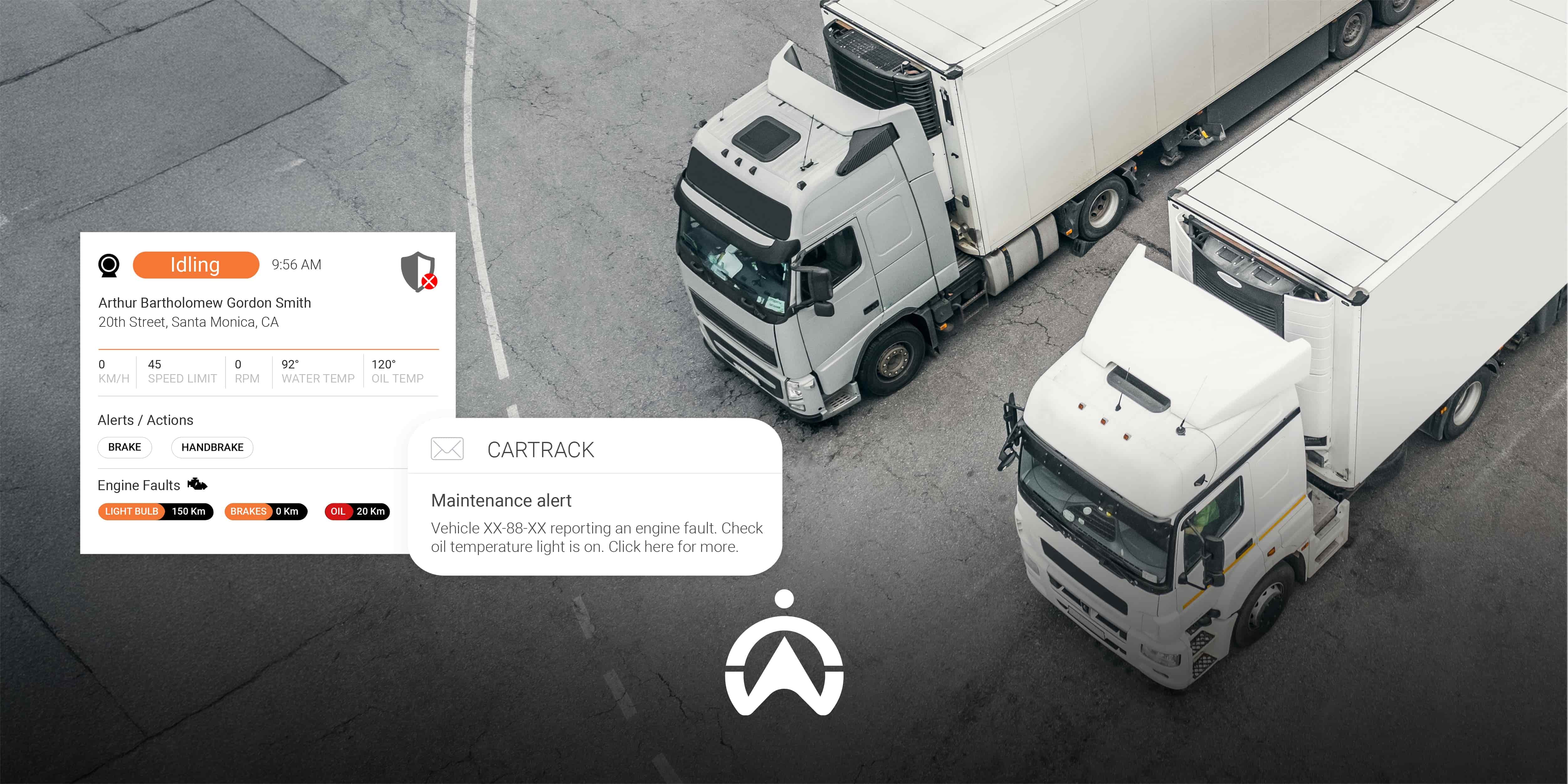
Predictive maintenance technology from telematics systems is the key to optimal vehicle performance. Having this tool reduces the chances of surprise breakdowns because it gives you early warnings of possible mechanical failures. The alerts could be anything from faults with the engine to worn-out brake pads.
Why is it so important? This helps you plan and schedule vehicles for services which keeps them in peak condition—which keeps your cargo fresh!
When drivers understand the importance of keeping goods in optimal conditions from a compliance, safety, or cost perspective, they’ll act more responsibly.
Why is it so important? Your drivers need to know the standard operating procedures, like loading and off-loading rules. When they’re familiar with how a clean storage unit should look, the habit starts to form and your cargo stays cold.
Apart from the daily pre- and post-trip inspections performed by your drivers, you need to bring in some specialists to check on the refrigeration systems of your trucks.
Why is it so important? When your drivers and loaders have better knowledge of how the refrigeration system works, they can identify issues that others might not notice.
Is the storage unit clean? The cargo area of a cold chain truck needs to be as clean as possible at all times to avoid bacterial formation and contamination. Ensure that the cargo space is cleaned out after every trip.
Why is it so important? It’s not just about keeping your cargo cold—it needs to stay hygienic and safe too!
If there are parts that need replacement, whether with the truck components or the refrigeration unit, make sure you don’t cut corners to save costs by getting cheaper ones that aren’t certified.
Why is it so important? This will cost you less in the long run, because those parts will last longer and seldom need to be replaced. This minimises the risk of poor refrigeration performance.
Refrigerated trucks and reefer containers usually come with built-in temperature sensors so you can adjust and monitor the temperature and the refrigeration system. However, they don’t give you real-time alerts when there are fluctuations mid-transit, which is what you need. Investing in temperature-monitoring IoT devices, like the ones we offer, gives you the upper hand when it comes to keeping up with your temperature-sensitive cargo.
Why is this so important? You’ll receive real-time updates of any drops or increases so you can quickly inform your drivers and fix the issues before the products spoil.
.jpg)
Over the years, Cartrack has worked with many businesses in the cold chain industry, helping them improve their operations through our preventative maintenance solutions. With us, you get:
Here’s how they all work:
Receive early warning of mechanical issues, such as engine faults and worn-out brakes, to ensure you address these well in advance. This helps you avoid surprise breakdowns which could result in the spoilage of your temperature-sensitive goods and leave you with fines and wastage.
Instead of spreadsheets and the constant need to print out papers every week, you can create multiple checklist forms on our platform. You can set up the forms to your liking using the following options:
Your drivers will receive the checklists on their Cartrack Driver app, complete the forms and submit; giving you real-time proof of inspection. From there, you can review each submission to get feedback on which vehicles need repairs and replacements.
Get quick access to maintenance records and easily follow up on the status of the vehicles that have gone in for repairs using our 'vehicles in maintenance’ status dashboard. You’ll get a quick overview of vehicles that are in for repairs, ones that are due for servicing, and those that should be back for service and repairs so you can schedule correctly. This also helps you see when vehicles have been in for repairs longer than expected.
Import the manufacturer's recommended service dates onto our platform so you can receive the reminders. You also have the option of creating your own maintenance reminders based on things like mileage and hours of operation. Your drivers will receive these reminders via email or SMS, depending on your preference. You’ll access a dashboard overview of all reminders so you can quickly see which maintenance tasks are overdue and quickly find out why.
Install our temperature monitoring sensors in your cargo areas so you get immediate and continuous monitoring through alerts when temperatures fluctuate mid-transit. This helps you to quickly call drivers and find out what’s happening.
Our software allows you to set cool-down periods, so you only get alerts when necessary, because temperatures do sometimes change during stops. For example, there’s yoghurt that needs to travel at 1°C, but you know the temperature can get to 5°C during offloading time; you can set a cooldown period that’s in line with how long drivers take when offloading. If temperatures are at 5°C for longer than that, then you’ll get an alert.
Cargo doors should only be open during stops, and to ensure that, you can get our cargo door sensors to alert you whenever doors open or close. With this, you’ll be able to see how long drivers leave doors open and if they’re following protocol. You can even connect these sensors to cargo cameras to view live footage of what’s going on and who’s involved.
Let’s help you get your fleet business where you want it to be through continuous monitoring, improved compliance, and cost savings. Contact us today and speak to a fleet consultant!
.jpg)
Are you looking for ways to improve the maintenance of your refrigerated truck fleet? Read along to find out what your inspection checklist should include.