
Is it possible to fully take care of your vehicle while still protecting your finances?
Whether you’re taking care of your four wheels at home or you’re making sure your fleet vehicles are always in tip-top condition, keeping up with maintenance is a non-negotiable. But the reality is, maintenance continues to get more expensive every year.
Regular vehicle maintenance is the secret to getting the most out of your car’s lifespan.
Never overlook (or be intimidated by) maintenance again. With this comprehensive guide, you’ll learn everything there is to know about personal & fleet vehicle maintenance. Keep running costs low and see how Cartrack can easily simplify your maintenance admin worries.
Also worth noting as you read: Adopting a data-driven fleet system replaces manual checklist friction with live vehicle diagnostics, automated service scheduling, and paperless daily pre-trip inspection.
Vehicle maintenance is the regular process of inspecting a car and carrying out a service or repair based on that inspection. This is done to keep the car running smoothly and efficiently, although the level of inspection usually differs depending on the context.
For example, a driver might carry out quick, mandatory daily pre- and post-trip inspections on a fleet vehicle, while you might only even think about maintenance for your personal car once or twice a year.
Let’s take a closer look at the value of vehicle maintenance:
The Automobile Association (AA) of South Africa highlights that when you factor in running costs, the numbers quickly add up. Even a standard, small-sized sedan could cost an eye-watering R67,000 annually in maintenance. This price accounts for minor and major services, tyres, insurance, and other basic maintenance.
All of these points underline the fundamental value of a proactive approach. Not only do you protect your pocket, but you also keep small issues from escalating into complete mechanical failures.
If you have predictive maintenance tools in place you’ll be able to service your vehicle long before problems show up or eventually escalate, leaving you with a fully functioning vehicle and stable finances
.
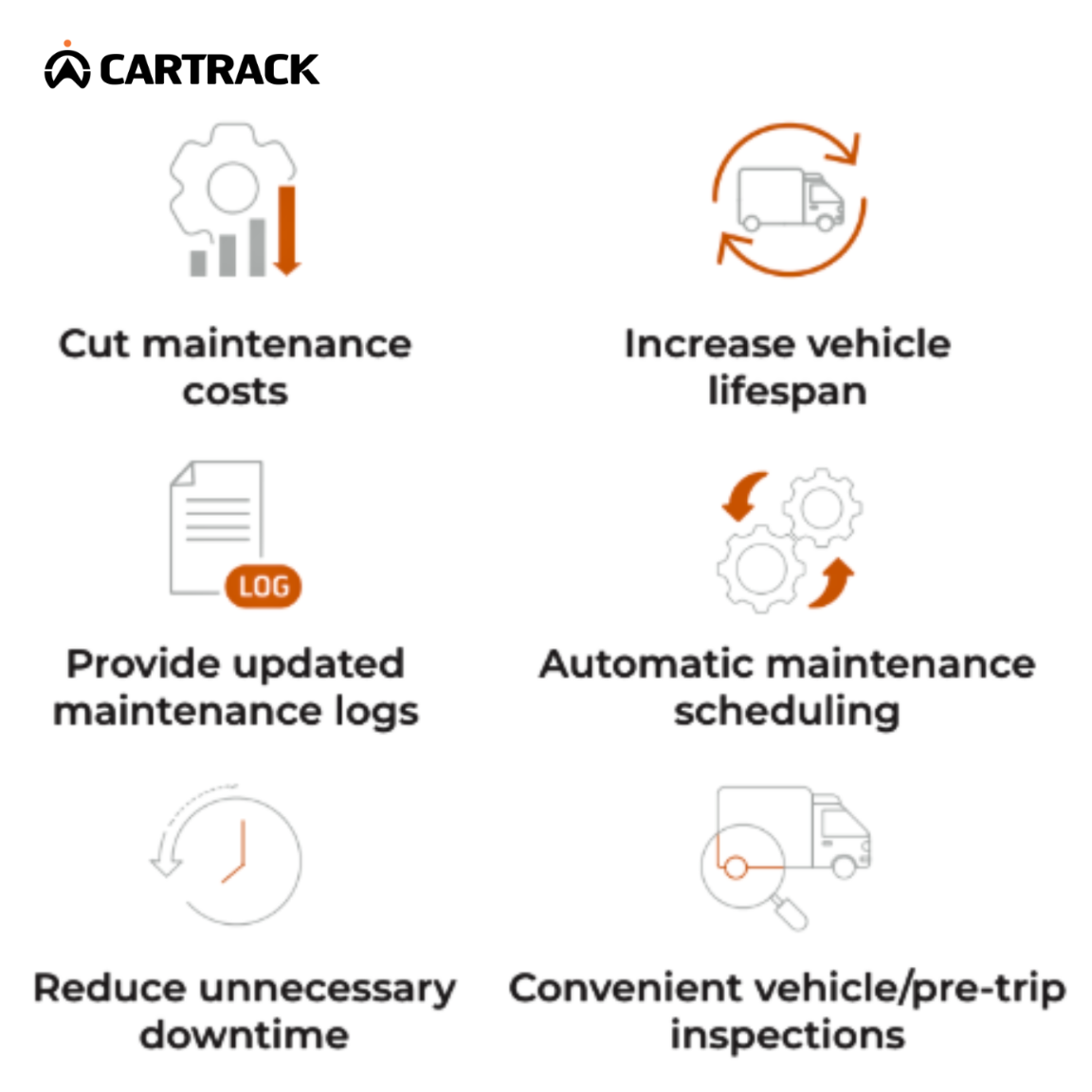
Vehicle maintenance is important because it keeps your vehicle running in peak condition. It prevents further damage if it’s already there, and increases the car’s lifespan considerably.
When you nip car problems in the bud you’re ultimately championing a safer driving experience. Better performance, efficiency, and preservation of essential components mean you, your passengers, or your drivers are safe.
Optimal performance through regular maintenance is also important for sustainability. A well-running car uses less fuel, and less burnt fuel means fewer carbon emissions. Maintaining your car is a win for you and for the environment.
Most importantly, if you ever decide to sell your car, you’ll confidently put yourself ahead of the competition by keeping it in top shape while also having a comprehensive maintenance history. Potential buyers usually feel more comfortable (and are even willing to pay more) when there’s a clear, detailed service history.
Maintenance maximises a vehicle's long-term health. As is the case with anything, if you take care of your car it’ll perform better and last longer. Regular upkeep ensures all the parts of your car are working optimally, preserving its value and performance.
By staying ahead of your maintenance schedule, you can:
Always follow your manufacturer’s servicing schedules. If you’re managing a fleet, combine these schedules with your predictive maintenance feedback.
The consensus is that your vehicle should be serviced every 15 000 kms or so for minor services, as well as 35 000 kms or so for major services. As would be expected, the exact mileage or car maintenance guidelines will depend on the make & model of the car, as well as what the owner's manual stipulates.
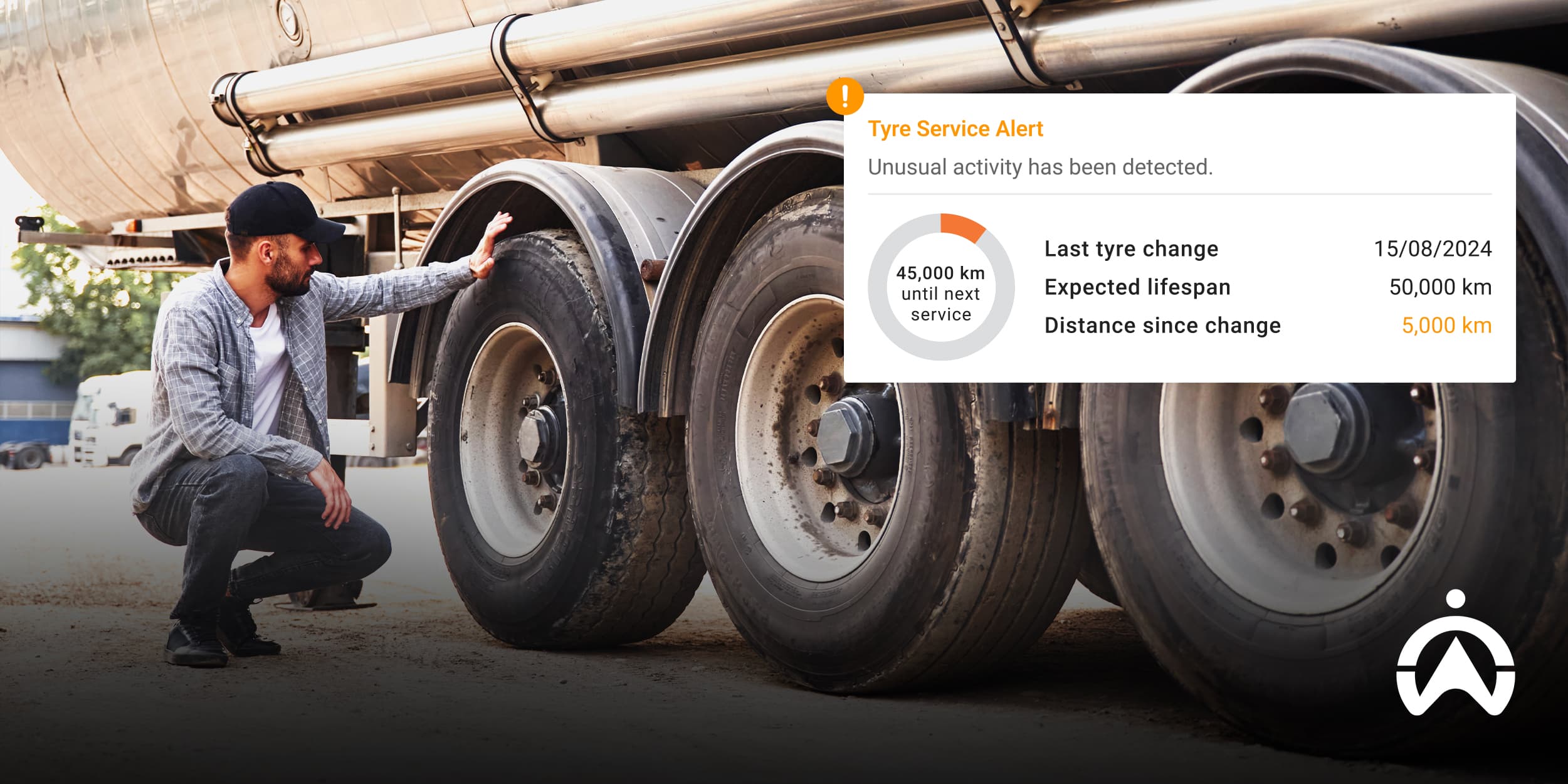
It’s crucial to consider whether or not you’re making the most of your owner's manual, because these guidelines are the manufacturer’s carefully curated requirements. We know that pulling the little book out of the cubbyhole can stir up some anxiety, but it’s actually the most valuable tool and cheat code for keeping your car out of the chop shop.
Consider these points:
One of the most helpful features of a car is its warning lights that flash across the dashboard. From a passenger forgetting to strap in to a worn-out brake pad, your car’s ability to communicate with you is a major bonus.
But it’s also important that you understand what exactly your car’s saying to you.
Take time to understand the different warning symbols and what they mean, or at least keep the manufacturer's handbook safely stored in the cubbyhole (and never move it!). Interpreting warning symbols helps you identify the difference between minor problems and serious ones that need immediate attention.
Another key feature regarding the manufacturer's handbook is maintenance timelines. What a lot of people don’t know is that most manufacturers divide their service schedule suggestions into ‘normal’ and ‘severe’ categories.
These categories are based on driving conditions. For instance, vehicles in South Africa would likely fall under the ‘severe’ category because of the general state of our roads and the stop-and-start nature of road networks in most areas.
The ‘severe’ classification means that, according to the handbook, you’d need to take your vehicle in for more frequent routine checks.
ALWAYS book your vehicle in according to the suggested manufacturer guidelines. Doing so ensures your car gets the care it needs when it needs it, while helping you avoid outrageous maintenance costs down the road.
What happens if you use the wrong coolant for your car and it ends up clogging your radiator? You risk voiding your vehicle’s warranty. This is why it’s particularly important to keep that manufacturer’s handbook nearby; it’ll tell you exactly which fluids to use.
The handbook is your financial and legal shield.
There are some further warranty considerations, especially if you want to keep the maintenance bills low. Think about these points:
To have an effective routine maintenance guide, you need to know when to check what. Based on your manufacturer's handbook or feedback from your fleet management platform, sort what needs to be checked in the short, long, and seasonal terms.
Not all parts need to be checked as frequently as others, so prioritisation is paramount.
Let’s look at the different timelines:
Cartrack helps you stay on top of vehicle maintenance by offering the tools to ensure your vehicle runs smoothly and is always in optimal condition. Key features like live vehicle diagnostics and telematics ensure your vehicle's health is being carefully and consistently monitored so that you get instant notifications if something goes wrong.
Here’s what we offer:
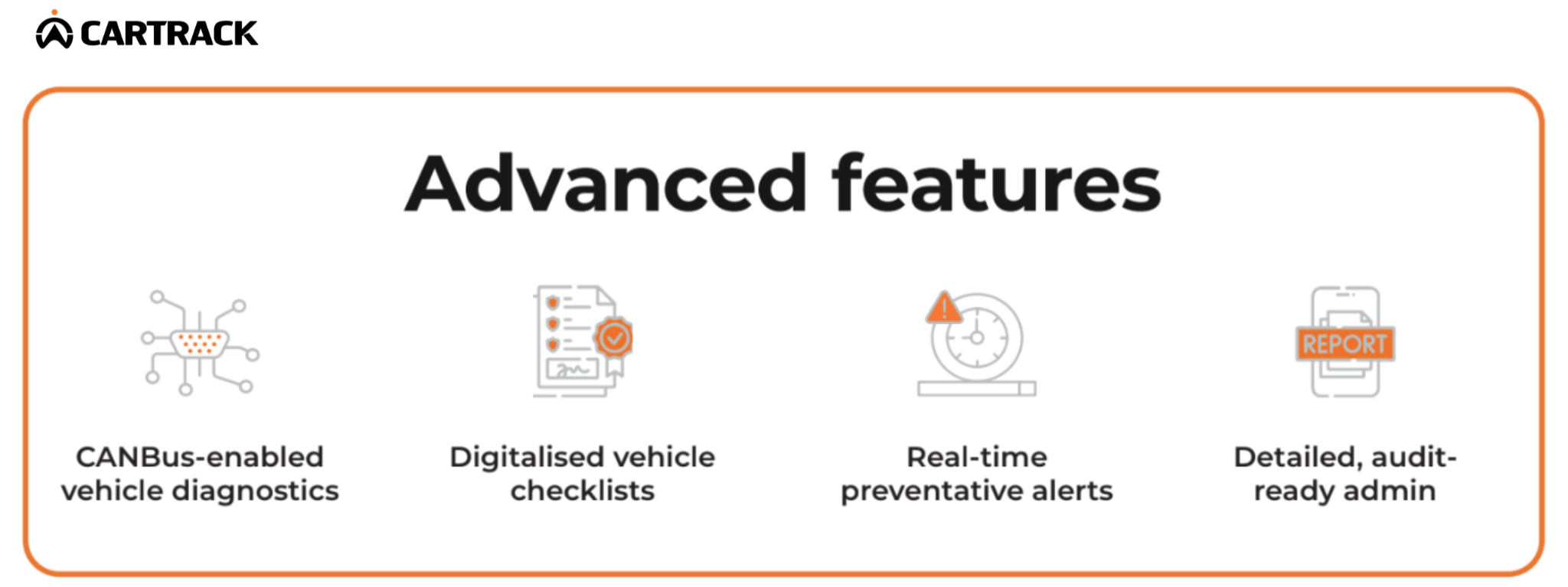
As mentioned, vehicle diagnostics keep you updated on the health status of your car/s. This consistent analysis process is important for a fleet driver, especially with regard to instant alerts. Diagnostics are what back our predictive maintenance technology, so you can be immediately alerted to faults and breaks.
Don’t worry about losing receipts, invoices, slips, or any other maintenance-related documents, especially when they need to be quickly accessed by your team or mechanics. Keep all your maintenance documents in one centralised, digital, and paperless location.
Every vehicle, whether personal or fleet-related, has manufacturer-suggested service timelines. And guess what? You can import that info into our platform so you never miss a service date. You can also keep your business up and running by automating your maintenance scheduling.
As a fleet manager you MUST ensure your daily fleet inspections are carried out successfully. Take the headache out of this process by opting for our paperless inspection solution. Digitally create inspection forms via our platform for quick access and feedback.
The way you drive a car directly impacts how much wear & tear it endures, and the same can be said for your drivers and fleet vehicles. Check out detailed trip histories and reports on driving behaviours, and for your business you can invest in our driver scorecards for recordkeeping and incentives.
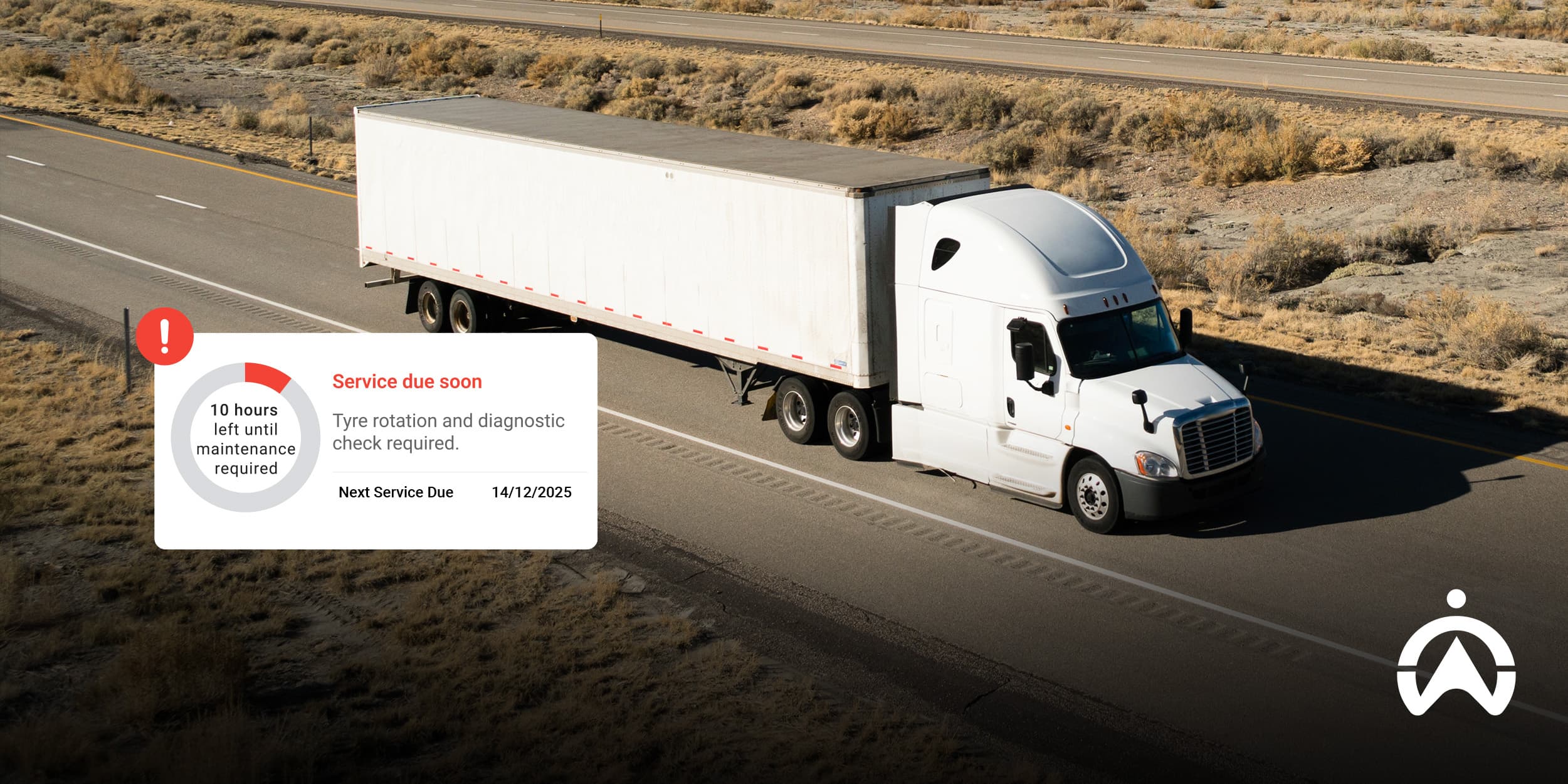
Don’t you think it’s time you took the stress out of vehicle upkeep?
Maintenance might be another task to add to your to-do list, but it doesn’t have to be complicated. Small, consistent habits combined with smart tools and your vehicle handbook guarantee that peace of mind.
A well-maintained car runs smoothly, consumes less fuel, and stays on the road, which is exactly where it should be. At Cartrack we’ve got exactly what you need to ensure your investment is protected and operating at its best.
Whether you're managing a busy fleet or just looking after your daily ride, speak to a Cartrack professional about how our advanced tools can keep your wheels turning.

Keep your cars running smoothly and protect your finances. Get the complete vehicle maintenance guide to optimise single vehicles or full commercial fleets