The main mode of transport for goods across South Africa is on our roads. This includes dangerous goods such as chemicals, toxic waste, mining explosives, and flammable liquids and gases. However, when it comes to moving these types of commodities, there are strict laws that need to be followed.
According to the South Africa Trucking Marketing Report, “The trucking industry in South Africa is expected to expand significantly, with a compound annual growth rate (CAGR) of 6.29% until 2030.”
So as the industry expands, it’s important for business owners across South Africa to fully understand the rules and regulations on transporting dangerous goods by road. It’s also valuable to know how a Cartrack fleet management system can help fleet owners ensure that every fleet, especially those carrying hazardous goods, can keep your fleet safe and compliant.
In South Africa, a vehicle may not transport any dangerous goods by road without a permit from the Department of Disaster and Emergency Services (DEMS). The main reason we have these rules and regulations is so that accidents and damage to other people, properties and the environment can be prevented.
According to the City of Ekurhuleni, “any vehicle that transports substances in liquid, gas or solid form and exceeds the maximum allowable quantities per the Ekurhuleni Emergency Services Bylaws, section 24(1), must register the vehicle for a Transportation of Dangerous Goods Permit."
The SANS 10231 is basically the rule book for anyone who is going to transport dangerous goods by road in South Africa. The contents of this book have to be known and understood by all fleet managers so that they can ensure their fleets are always compliant.
Let’s take a look at some of the key points from this document.
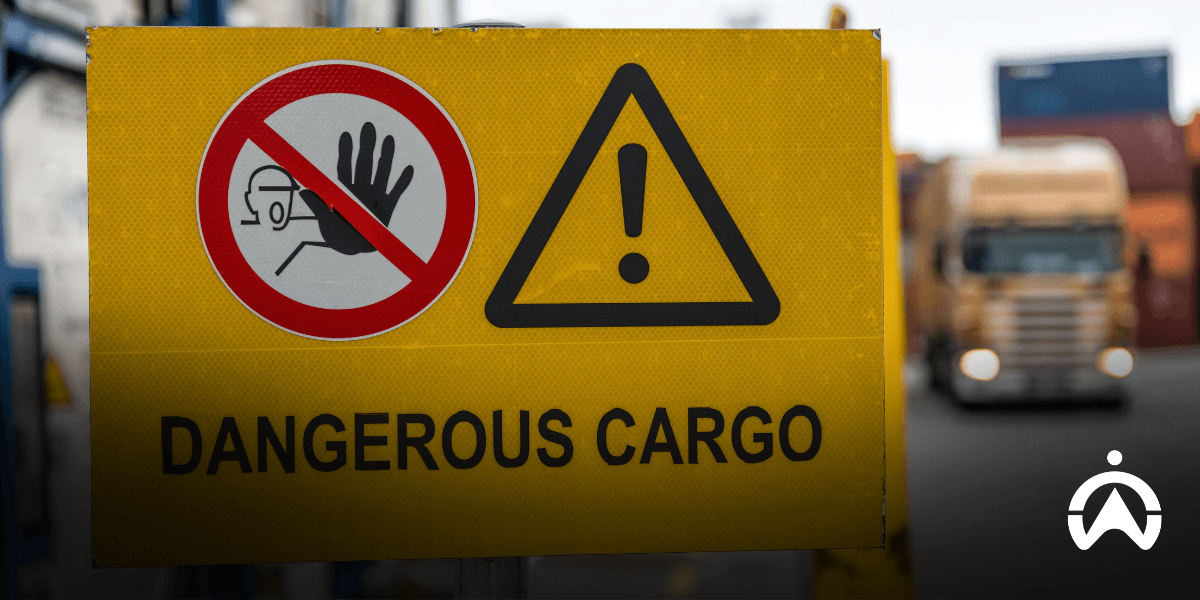
There are different types of dangerous goods that are allowed to be transported by road. The UN Model Regulations have a classification system they use to class each of these goods. Each dangerous substance is sorted into 9 classes, and a few of them are subdivided.
Here’s a breakdown of the 9 classes.
So, which of these rules apply to you and your fleet? You might be surprised to learn that your fleet could be exempt from these super strict rules and regulations. This applies if you fall under the “exempt quantities” umbrella.
For example, let’s say you have a pool business and you have smaller vans that drive to locations in your area to build and assist people with their pools. So it’ll be common for your vehicles to be carrying chlorine.
The exempt limit for chlorine/granular H₂H is 50kg. The chances of your pool business carrying more than that at a time are very slim, so you’re going to be exempt from these incredibly strict rules and regulations.
However, if you’re a wholesaler of chlorine, you have tankers carrying hundreds and thousands of kilograms of this substance. In this case your fleet is going to have to comply with all of the rules and regulations surrounding transporting dangerous goods.
The best way to ensure that every part of your fleet that’s transporting dangerous goods by road is compliant and safe is to invest in a fleet management system. At Cartrack we pride ourselves with having one of the best fleet management systems globally!
Let’s take a look at some of the features you can get from our FMS for a fleet that’s transporting hazardous substances.
When moving hazardous goods via road, there are roads you’ll be able to take and roads you won’t. You also need to make sure you’re taking the safest route possible, avoiding high-traffic areas, and taking a route that requires your drivers to make the least amount of stops possible.
Manual planning can only do so much, but you won’t have any real-time insights like traffic or construction. With Cartrack, our advanced route optimisation will help keep your drivers on the best and safest route, all while making sure they stay on schedule.
As previously mentioned, when transporting dangerous goods, there are places your vehicles won’t be able to drive. This is where geofences come in. You can set up virtual boundaries that your vehicles are not allowed to enter while out on their route, and you’ll get notified in real time if they cross those boundaries.
This works with our route optimisation, so the automated routes automatically avoid the no-go zones. You’ll also be alerted if a driver enters a set geofence so you can stop them the second you’re aware of the situation.
You and your drivers need to be aware of any problems like entering a geofenced area or if a driver is driving dangerously. Cartrack’s system is designed so that you and your driver will be instantly alerted either in the cabin with our cameras, on our app, or via SMS.
This way you and your driver can stay aware of the situation and correct it instantly.
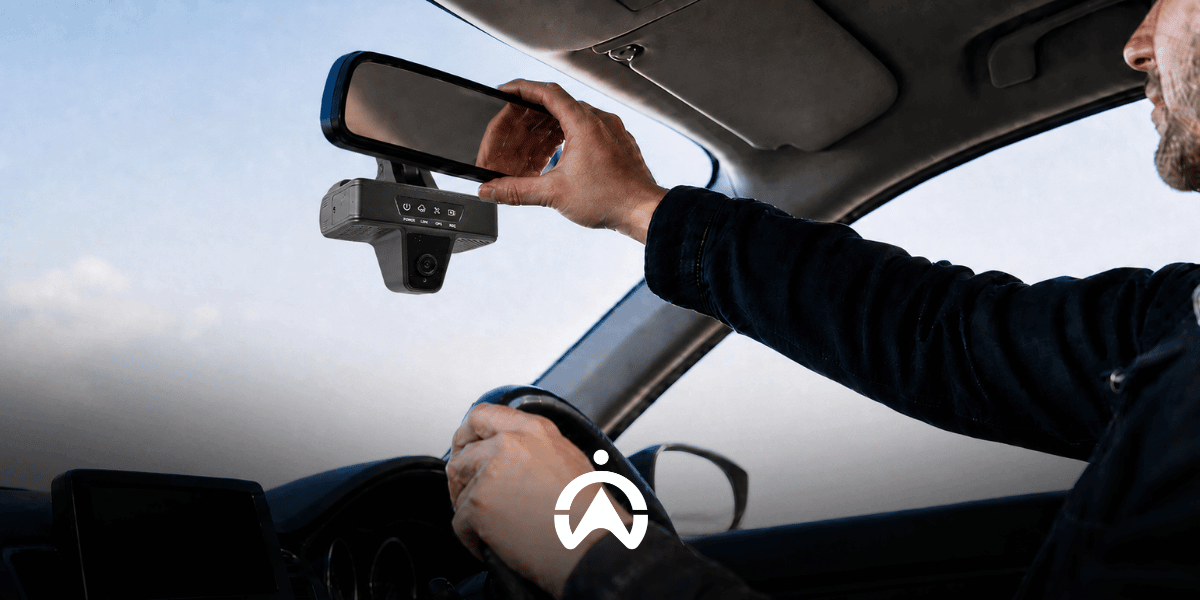
When transporting dangerous goods, you need to take every safety measure possible. This is why AI cameras are a must. But not just a simple dashcam; you need to have eyes on the driver, on the road, in the cabin, and around the vehicle.
At Cartrack we have AI multivision, which allows you to have up to 8 cameras in and out of your vehicle. We can install a screen inside the vehicle as well so your driver has eyes on every external part of the vehicle, preventing blind spot accidents, and on the cargo inside of the truck.
The AI camera that faces inside the cabin will monitor the driver and instantly alert them and you to fatigue, distracted driving, not wearing their seatbelt, smoking and eating. All of these behaviours are extremely dangerous when transporting dangerous goods.
As we know, if you’re going to be transporting any hazardous substances, all drivers must have a valid PrDP-D. To make sure that only drivers with valid licences are operating vehicles carrying dangerous goods, you need to get our Driver ID Tags.
We have three types of Driver ID Tags, but for trucks carrying specific cargo that require specific licences, we recommend our DID with configuration. This way only drivers with these licences and tags will be able to start these trucks. Without them, the truck won’t start, and you can ensure that any other driver won’t be able to move these vehicles.
Your vehicles are carrying dangerous substances, and if anything goes wrong, your business will be held liable. This is why you need a GPS tracking and recovery solution. At Cartrack we have one of the most advanced tracking and recovery solutions for your business.
Our tracking technology has signal-jamming detection, so if someone tries to steal your truck by blocking the signal, we’ll be alerted to this and switch you over to our unique radio frequency so we can continuously track your vehicle. And our highly trained team will go out and try to recover your vehicle for you!
Some hazardous substances need to be kept at a certain temperature. If they aren't, they can become flammable or explosive or lose their potency. Cartrack can provide you with temperature sensors that can be installed inside the trailers carrying these goods, and if there is a fluctuation in the temperature, you’ll be instantly alerted!
A major requirement for vehicles transporting dangerous goods by road in South Africa is that they need to be well maintained and have a record of their maintenance. If you have a large fleet, this can be a challenge.
That’s why Cartrack’s telematics technology comes with maintenance alerts. The two we provide you with are:
And because everything is recorded digitally on our system, you can easily pull maintenance reports and records for compliance.
So if you want to ensure that your fleet is transporting dangerous goods safely, then contact us to get a personalised quote for your fleet!
If you enjoyed this blog, be sure to check out 'Why starting a transport logistics business and trucking company will benefit you.'
Discover the essential rules for transporting dangerous goods by road in South Africa, from SANS 10231 compliance to smart fleet solutions.