Oops! Something went wrong while submitting the form.
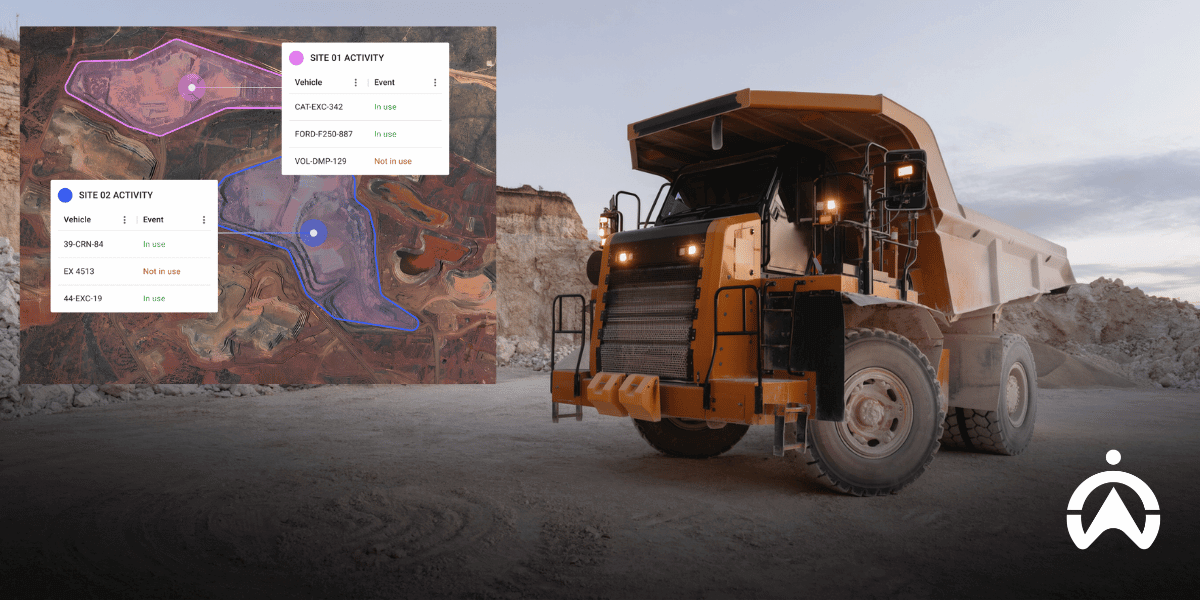
Do you know exactly where every asset in your fleet is, if they’re all being utilised and are in good working condition? If you can’t immediately answer these questions with a confident “yes”, your operations are in desperate need of fleet asset management.
A fleet manager has a multitude of tasks to handle, and if they’re sitting with piles of paperwork on their desk, they won’t be able to accurately manage a large fleet. In addition to a plethora of other tasks, fleet managers also need to stay on top of asset maintenance, late deliveries, unexpected downtime, and man-hunts for missing equipment.
This blog will explore the importance of fleet asset management software and why it’s no longer a nice-to-have for fleets but an integral part of running a successful and profitable business.
Key Takeaways:
Completely understand exactly what fleet asset management is and how it works
Fleet asset tracking and management gives fleet managers crucial insights into asset use and condition
Creating an asset management plan for your fleet is vital for its implementation and success
Cartrack can provide your fleet with all of the top features needed for a comprehensive fleet asset management system
What is fleet asset management, and how does it work?
‘Asset management’ typically involves managing wealth and property owned by a person or organisation. Fleet asset management is a system fleet managers use to accurately monitor all their assets. It ensures they’re all accounted for, in good working condition and equally used so they continue to provide a positive return without costing a business more than they should.
The system works through continuous monitoring of the assets in a fleet. This allows fleet managers to ensure that every asset is well maintained and utilised. By doing this you can enhance operational efficiency, reduce costs and extend the lifespan of your assets.
What’s classified as a business asset?
Business assets can be split into two categories: tangible assets and intangible assets. Here’s a comprehensive list of these assets👇
Tangible assets consist of:
Vehicles
Cars, trucks, buses, motorcycles, etc.
Trailers, semi-trailers, and other towed equipment
Bulldozers, excavators, cranes, and other construction equipment
Forklifts, pallet jacks, and other material-handling equipment
Equipment
Tools used for maintenance, repairs, and other tasks
Mobile tech like scanners, cellphones, and tablets
Communication tools such as radios, walkie-talkies, and GPS trackers
Office equipment, which includes computers and printers
Infrastructure
Garages, workshops and other facilities such as worksites
Owned storage and fueling stations
Parking lots and loading docks
Offices and admin buildings
Intangible assets include:
Software & data
Software and technology used, like your fleet management software
Data and analytics gained from vehicle telematics, fuel card transactions, etc.
Intellectual property (IP) like business trademarks and patents
What is the importance of fleet asset tracking and management?
Industry reporting and insurance data have stated that construction equipment theft costs the US industry an estimate of $300 million to $1 billion annually, with more than 11,000 incidents reported each year. On top of that, roughly 20-25% of stolen equipment is ever recovered, and that number drops lower for untracked assets, proving how important fleet asset tracking is.
Additionally, fleet asset tracking and management provides fleet managers with vital insights into asset utilisation and health. This data allows fleet managers to see how each vehicle in the fleet is performing, move assets around where needed and get rid of assets that are wasting company resources.
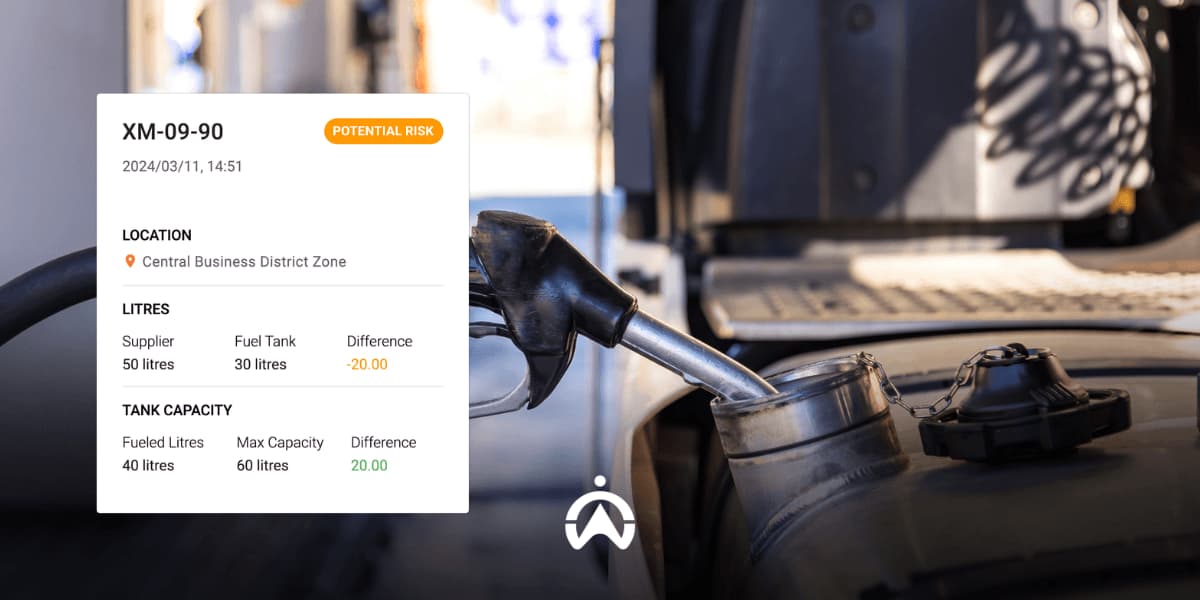
Asset tracking also allows fleet managers to spot where their fleet is burning more money than necessary. Factors such as excessive idling, aggressive driver behaviour, fuel leaks, and poor routing all affect how much money a fleet is spending, but they’re also the contributors that can be controlled and mitigated with fleet asset management.
The key benefits of effective fleet management software
Supervision of all assets
Management of assets from any location
Offers insights for strategic planning for fleet risks
Improvement of time management
Monitoring fleet performance
Tracking fleet asset lifecycles and their costs
Accurate data-based reports on all assets
How to set up an asset management plan for your fleet
To better manage your assets, you first have to create an asset management plan. This plan is important because it helps fleet owners and managers anticipate failures and the exact steps to take in order to prevent or mitigate those failures and their impact on your team.
Here’s a simple five-step guide to an optimal asset management strategy:
1. Create an asset inventory of your fleet
Record a list of every vehicle, trailer, and other mobile asset in your operation.
Create a record of VINs, engine specs, licence info, and purchase dates.
Log current odometer readings, hour meters, and baseline mechanical conditions.
Organise assets to specific operational duties, routes or drivers.
2. Implement fleet software and telematics
Use data to assist with proactive monitoring of your fleet.
Use telematics to accurately monitor driver behaviour data like speeding, prolonged idling, and harsh braking.
Make sure all the data is centralised in an advanced fleet management system for easy tracking.
3. Set up maintenance and risk strategies
Predictive maintenance: uses telemetry & usage data to monitor conditions and detect failures early on.
Preventative maintenance: by using either metrics or time, set up scheduled vehicle or machinery checks.
Risk mitigation: identify possible failures and create emergency backup procedures.
4. Find out the Total Cost of Ownership (TCO)
Monitoring the true cost of your operation helps you create realistic budgets for your fleet.
Accurately track fuel consumption, repair costs and tyre replacements to calculate the Cost Per Mile/Kilometre (CPM).
Include all fixed expenses, insurance premiums, licensing fees, and depreciation rates.
Compare individual vehicle costs against current averages in your fleet to spot all underutilised assets.
5. Define the disposal and replacement guidelines
Identify the exact point at which to remove vehicles or mobile assets from your fleet (aka right-sizing).
Set replacement alerts based on mileage, age or maintenance cost thresholds.
Establish a clear reselling strategy (trade-in, auction, private sale) to get the best resale value.
Match purchasing plans with long-term fleet utilisation data as well as capacity demands.
What improvements are made with effective fleet management of your assets?
When you implement fleet management of your assets, you can greatly improve your operations, and this statement is backed by current market growth. According to industry research, the global fleet management market is projected to grow from $43.56 billion in 2026 to $88.49 billion by 2032. This places the growth rate at a CAGR of 12.5%
Here are some improvements you should expect once effective fleet asset management is put in place:
Real-time tracking allows fleet managers to organise drivers to the most efficient route, improving delivery times.
Predictive maintenance ensures that there are no unexpected breakdowns, removing the risk of unplanned downtime.
Asset data provides fleet managers with insights so they can right-size their fleet as well as know exactly where to reallocate assets where they're needed.
Cost reductions across your fleet
The next major benefit fleets experience from fleet management is that it reduces costs across your operations.
Driver behaviour monitoring and route optimisation assist with reducing fuel usage.
Preventative and predictive maintenance lower your repair and maintenance costs by stopping major (and expensive) breakdowns from happening in the first place.
Constant monitoring and assessing of your assets improves their lifespan, resulting in long-term savings.
By monitoring driver behaviour, you can make sure that driver safety is guaranteed and that risky driver behaviour is eliminated.
Compliance regulations are kept thanks to accurate digital logs of driver/operator hours, vehicle checks, maintenance schedules, and licence and insurance documentation.
How can asset tracking improve vehicle utilisation?
According to Mordor Intelligence, utilisation rates on connected and tracked rental fleets often exceed 85%, which is roughly 30% higher than owned, untracked machines. The data pulled from telematics shows you exactly which vehicles, equipment and machines are overused and which ones are underused.
From this, fleet managers can either relocate these underutilised assets to where they're needed or sell them. The profits gained from reselling can then be used to purchase more assets that are being overutilised so that the lifespan of the fleet can be extended.
Asset tracking and monitoring provides fleet managers with the insights they need to cut out all non-productive downtime and make sure all vehicles, machines and equipment are being optimally used.
The top features to look for in fleet asset management software?
When investing in comprehensive fleet management software for your fleet’s assets, there are some main features it should have. Without these features, you won’t be able to seamlessly manage or optimise all of the assets in your fleet.
The top features you must look for in your fleet asset management software are:
Real-time tracking with CAN bus integration
Automatically pull vehicle health, performance, and location data.
Automated maintenance alerts
Software should alert fleet managers on upcoming services and potential vehicle issues
A singular and comprehensive fleet management platform
One platform should be used to view your assets, anytime and anywhere.
Driver ID tags
Restrict machinery and vehicle usage to authorised operators only.
Advanced GPS tracking with backup trackers
Tracking devices that work even in remote conditions or in the event of signal jamming.
Geofences
Be able to create virtual parameters that immediately alert you the second an asset leaves a set location.
Power take-off
Know exactly when machinery is being used, and differentiate between productive and unproductive idling.
Fuel monitoring with TOC analytics
Integrate fuel card transactions and cross-reference pump logs with GPS locations, calculating the true CPM.
Driver scorecards
Track driver behaviour and accurately coach each driver to reduce asset wear & tear and lower your drivers' risk profiles.
Digital inspections
Enable drivers to do pre- and post-inspections via a mobile app.
Why Cartrack is the best asset tracking and management solution for your fleet
Cartrack has been in the industry for over 20 years, making us experts in helping businesses track and monitor every part of their fleet. The above-mentioned top features that every fleet asset management software should have are all provided by Cartrack. In addition to this, we offer round-the-clock assistance, so you’ll never be left in the dark.
But you don’t just have to take our word for it; our customer testimonials speak for themselves!
“With Cartrack’s fleet management solutions, we have real-time visibility over our fleet and assets. We are able to improve our fleet and asset efficiency, productivity and security.” - Wee Guan Construction Pte Ltd, Singapore
“Running a ready-mix business in Singapore is tough, as timing is everything, and safety is non-negotiable. Working with Cartrack is a game-changer, as it gives us the actionable insights we need to stay safe, efficient, and profitable in a competitive market.” - Anthony Neo, General Manager of Eminent Star Readymix Pte. Ltd.
If you're ready to track your fleet assets seamlessly, then click here to speak to one of our trained agents to provide you with an obligation-free quote today!
FAQs
Is fleet asset management only for large fleets?
No, fleet asset management is just as important for small fleets as it is for larger ones. Larger fleets can cushion the blow to unexpected breakdowns and fuel wastage, whereas smaller fleets will feel the financial strain of them.
Can Cartrack’s fleet asset management work on electric fleets?
Yes, Cartrack’s fleet asset management works on all types of vehicles, including electric ones. On top of that, it can all be managed on one single platform. Our system can monitor battery health and performance and provide insights on charging history.
What are the five pillars of fleet management?
There are five pillars of fleet management, and these components are the most essential points to running an effective and successful fleet. They are:
Track, manage, and optimize enterprise fleet assets. Learn how telematics, CANBus diagnostics, and predictive maintenance lower total cost of ownership (TCO).