The lifespan of a very average dash cam is three to five years, and you should replace your old one if you can tell that it’s failing. Blurry video quality, weak battery power, abrupt shutdowns and files that won’t save would suggest it’s time to move on to a new device.
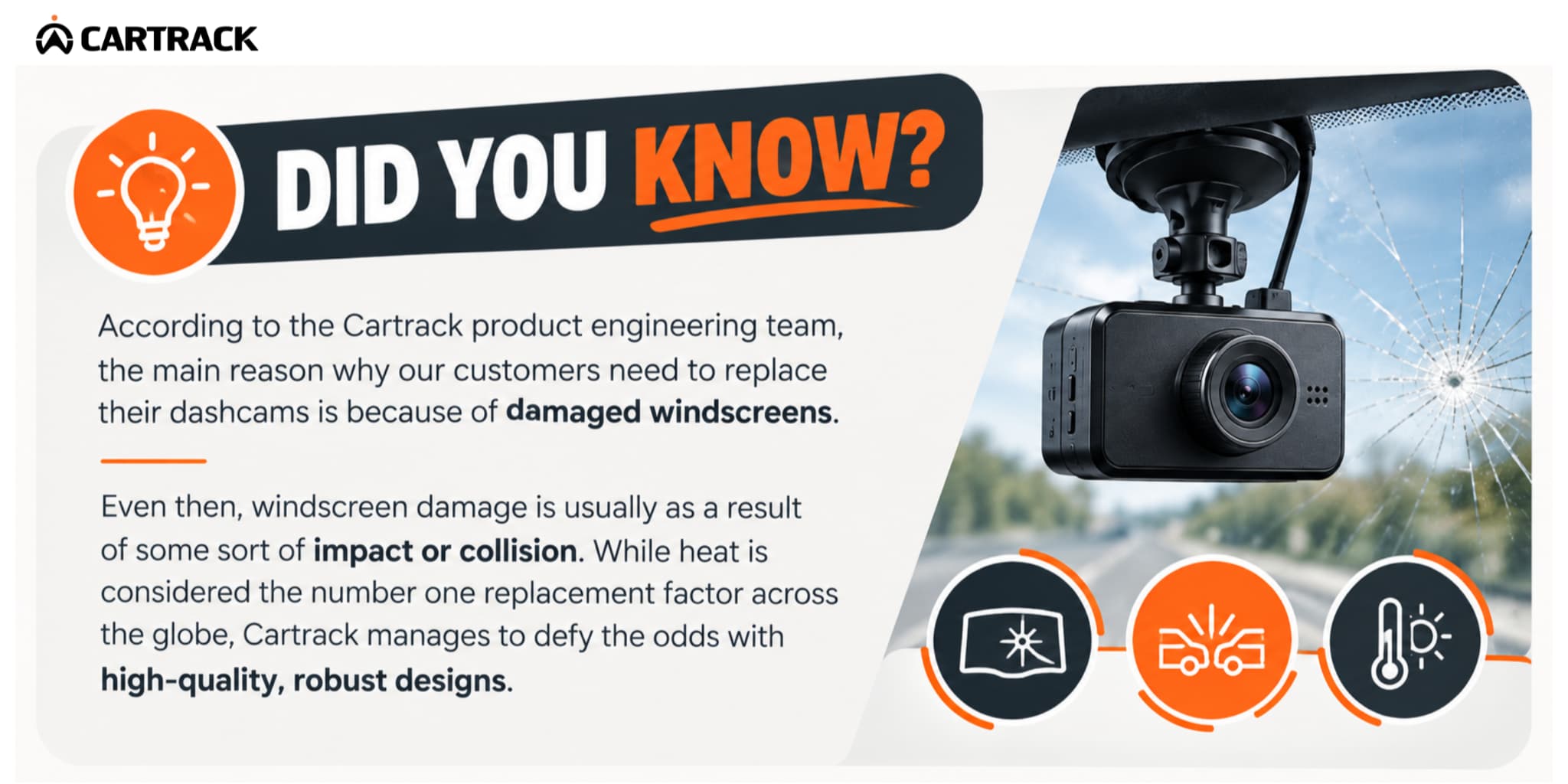
Dashcams have to endure a lot of pressure from the elements and environments they’re in: being exposed to extreme heat, freezing cold, shakes & vibrations, collisions and other real-world intensities.
This means they wear down faster than most people expect. And when they wear down faster than normal, they might just stop working when you need that reliable, objective footage the most.
Don’t get caught without the full picture; here’s why dashcams fail, the signs that they’re on their way out, and why Cartrack’s devices are far ahead of the competition.
A dash cam actually lasts anywhere between three and five years in real-world cases. It depends on how well it’s been taken care of, the quality of the device, and other influencing factors. Budget cameras are usually on the lower end of the life cycle, while more powerful & expensive units last up to (or even longer than) five years.
It’s important to note the term “lifespan” isn’t just about whether the device is switching on or not; a dash cam could be quietly reaching the end of its life cycle while the little red recording light is still blinking.
And when one component fails, especially without your knowledge, your device could fail at doing the one thing it’s there for: getting useful footage when you need it.
Let’s break down the different aspects.
The signs your dash cam has stopped working properly include:
As mentioned, dashcams rarely completely fail all at once. They usually gradually fail with different components breaking down over time. It’s important to be clued up on the warning signs.
These are some of the factors that lead to the decline of your dashcam’s lifespan:
This is considered the number one dash cam killer. In their discussion regarding environmental vulnerabilities around electronics, Techy Gossips covers just how powerful extreme heat can be, as well as the threat it poses to dashboards and the tech inside the car.
Dashcams already generate their own internal heat from the work they’re doing, and external heat makes it that much worse.
In July 2026, an independent thermal test showed that most high-end dashcams go into a forced thermal shutdown when interior temperatures hit between about 77°C and 87°C.
Remember, it can get up to 30°C hotter inside a car than whatever the temperature is outside of the car. If your car is parked right in the sun, this could spell trouble for an entry-level dash cam because it’s unable to handle such extreme conditions. Heat degrades a camera’s life cycle faster than any other factor.
Memory or SD cards can only handle so much, and yet dashcams need them to consistently loop and overwrite footage. They only have so many life cycles. Using low-quality SD cards with very little space is a way to fast-track wear & tear.
This is why long-lasting memory cards with more space, preferably a backup or cloud option, and regular card replacements are the most effective options for storage purposes.
Going for the more affordable option isn’t always the best approach. Budget devices tend to skimp out on necessary features, specifications and components. So even if you’re using the device carefully, the realistic lifespan is still shortened.
Choosing a cheaper, marketplace buy that isn’t made to endure intense conditions already puts the lifespan at a maximum of around two years.
This point links closely to the previous one; if your dash cam doesn’t have the proper provisions that help it manage the surges that happen as a car switches on and off, you’re wearing down the internal circuit.
Power surges and overheating will significantly damage a dash cam that doesn’t have a fused input or voltage protection in its design.
Your dash cam is exposed to so many vibrations over time, especially if your vehicle is regularly driving over rough, rural or unpaved roads. Over years of daily driving, all of the jerky movement adds up and impacts the dashcam.
Gradually, the internal components and connections will loosen, leading to eventual internal damage.
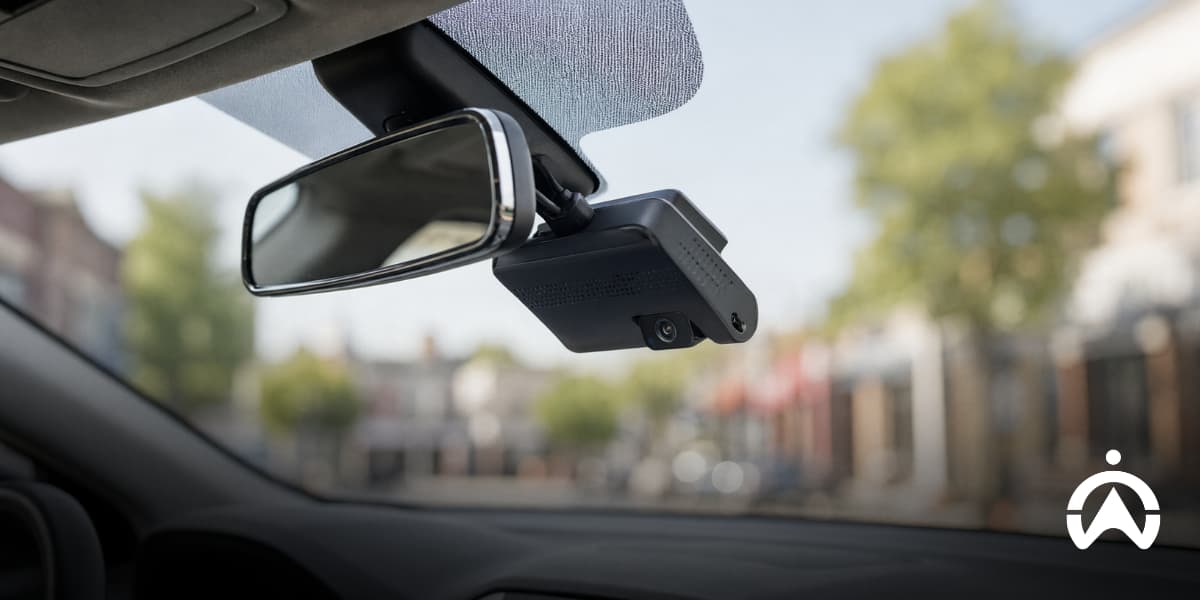
Yes, lifespan does usually differ between fleet and personal dashcams. Fleet dashcams are often made with the best materials and designs to accommodate demanding environments. Personal dashcams can also be long-lasting, although they’re often more compact in design and their lifespan will depend on usage, heat exposure, installation and other factors.
Fleet cameras are usually made with daily operations and various (often harsh) environments in mind. This means taking factors like continuous high mileage, extreme temperatures and rough & uneven roads into consideration.
As a result, fleet cameras are usually much higher quality, with safeguards like temperature control, voltage control and fused input protection included in their design.
On the other hand, personal dashcams take a more casual approach, made with lighter materials and occasional use in mind. They're for daily commutes and trips to the store, not for a vehicle on the road or on-site for hours and hours every day.
This just means that everyday motorists most likely use dashcams that have a lower tolerance for things like constant vibrations and extreme temperatures, often leading to shorter life cycles than their fleet counterparts.
Some maintenance and extra care for your vehicle’s camera/s can go a very long way. The best ways to maximise your camera’s lifespan are to:
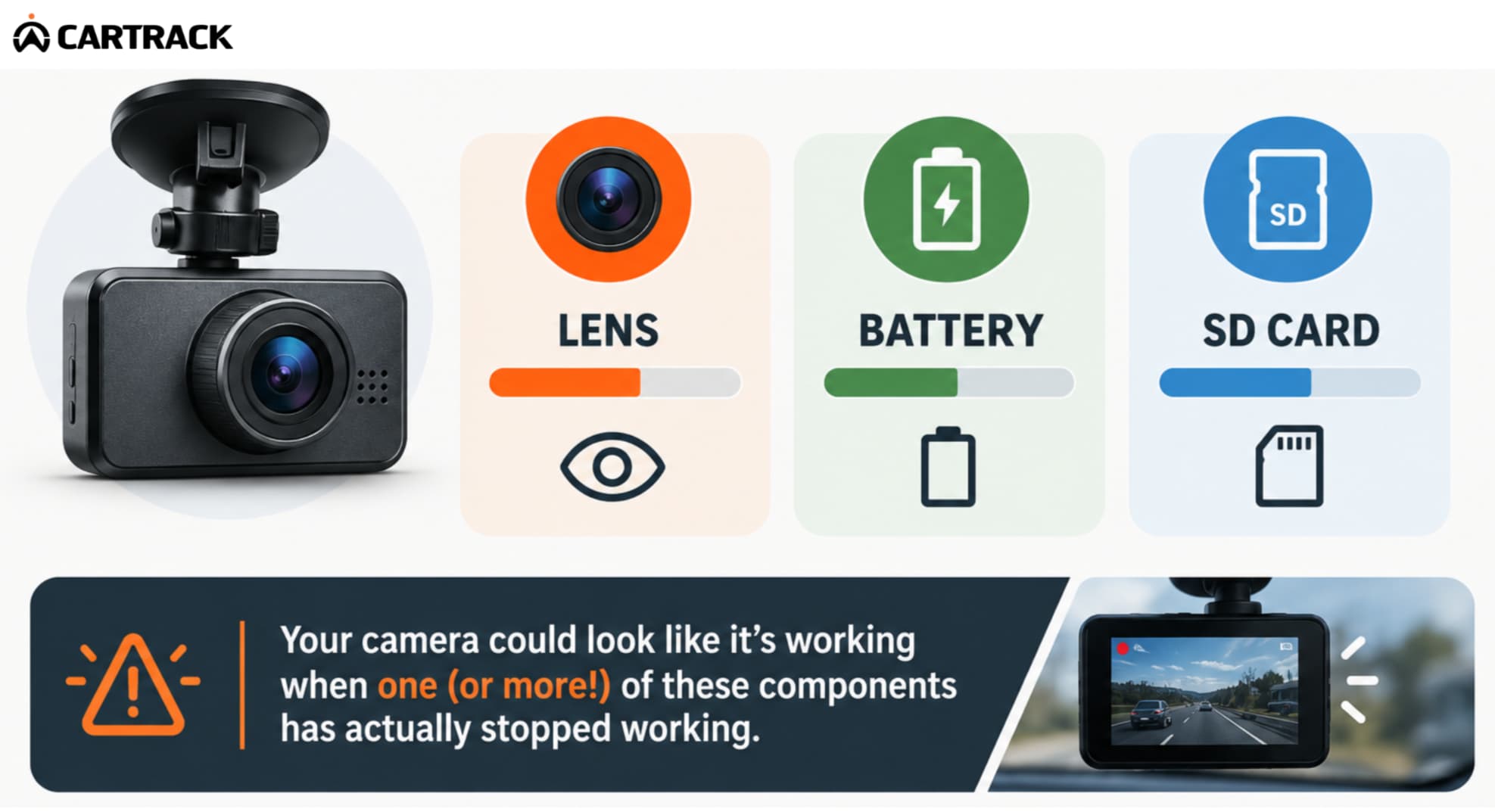
A dash cam has three separate lifespans: lens, battery (or supercapacitor), and SD card. Most dash cam owners believe that a camera only has one lifespan and that it’s up as soon as the battery dies. But in reality, every dash cam has three different components that decline at different rates.
This means your camera could look like it’s working when one or more of these components has stopped working. This can be incredibly frustrating but also dangerous, especially when you need the footage but come to find the camera wasn’t working all the while.
Let’s take a look at the three components:
The lens, and even the body of the device, usually survives the longest and is the strongest of all the other components. The main concern when it comes to this part of the dash cam is that it’s susceptible to vibrations, shakes, knocks, and cracks that create physical damage.
Most dash cams use either a lithium-ion battery or a supercapacitor as a backup power source. These keep your camera functioning properly, help it shut down safely and even help it stay on for a little while after your car’s ignition has been switched off (to ensure footage is saved and prevent corrupted files).
The role of the camera’s battery or supercapacitor isn’t necessarily to run the camera for long but rather as efficiently as possible. If your camera’s battery or supercapacitor is failing, your risk of losing footage increases. The dash cam could start switching off randomly, which means you lose the footage that’s been recorded.
The memory card (SD card) is often the problem child. Because dashcams work by looping footage and saving over old files, they experience more pressure than other memory cards. Because of this pressure, SD cards are likely to become troublesome, not saving files or corrupting recorded footage.
Cartrack dashcams simply don’t age like the rest; although our camera solutions aren’t immune to natural deterioration, they’re outshining competitors and ensuring you get your money’s worth.
We’ve discovered that a dash cam has different lifespans, meaning different components fail at different times.
The real fix here isn’t solely about buying a new dash cam but about buying one that directly addresses those component-specific weak points and is built to survive real-world extremes.
Cartrack achieves this, and here’s what we mean:
All our devices are made in-house using powerful, sturdy materials that fight against everyday-but-harsh conditions. Other dashcams are known for malfunctioning in extreme temperatures, especially extreme heat. Our cameras have temperature protection, surviving sitting in parked cars during intense South African summer weather.
Our cameras are also tamper-proof, putting out an alert if an unauthorised person fiddles with or tries to move the device. This applies to ALL of our camera solutions, even the options for personal dashcams.
Depending on the dash cam (and ultimately memory card), you have five to hundreds of hours' worth of recording at a time. Older dashcams tend to have very little space with constant overwriting of footage and little-to-no options regarding livestreaming.
Cartrack has the best of all of these features, including cloud storage and integration into a greater system.
Speaking of a greater system…
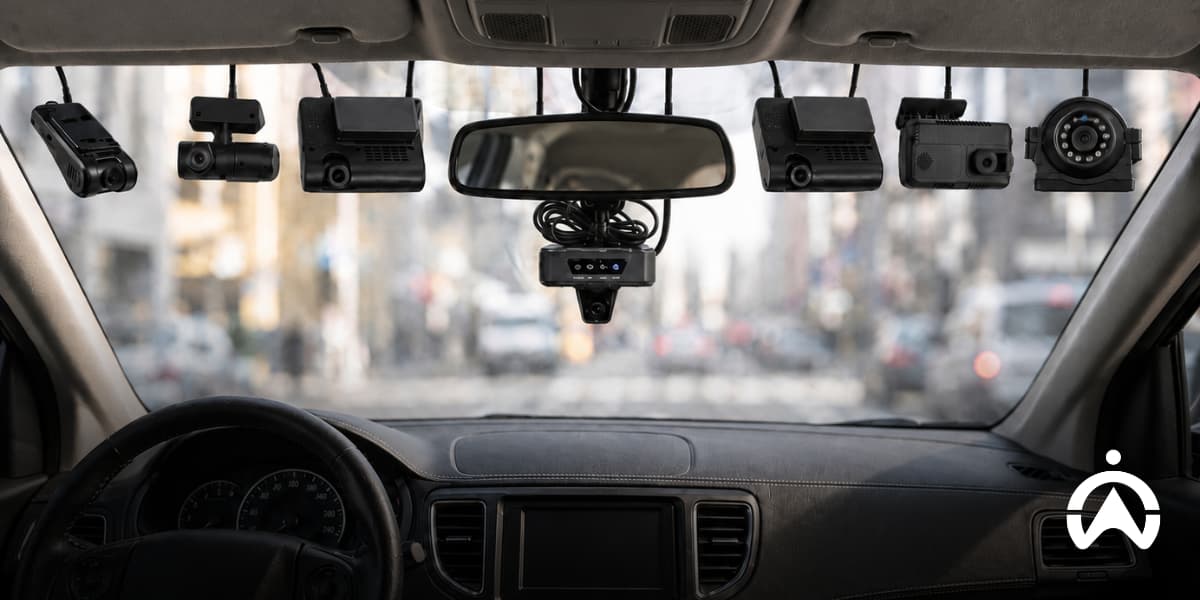
Our dashcams aren’t standalone devices. Every one of the cameras is connected to our fleet pages (FleetWeb) and the mobile app (FleetApp), so your footage isn’t solely tied to the memory card.
We have live-streaming functionality (with high-quality streaming and audio) and a cloud-based system. This means your footage is backed by a network, not simply lost to a damaged memory card.
We don’t just make claims about our products; we’ve met the regulatory guidelines. Our dash cam gives you superior HD video quality that allows you to see the finer details in retrieved footage. Our cameras are CE and ICASA certified. CE is the Conformité Européenne, a mark that certifies that a product meets the European Union’s standards.
ICASA is the Independent Communications Authority of South Africa, a mark that certifies that radio or telecommunication devices are safe and verified for use.
This is an important feature that goes beyond simply recording footage, and it’s part of why replacing an older dash cam is worth considering.
Invest in a Cartrack dashcam, because they’re built with technology that detects unusual impact and movement. Beyond their job to be your extra set of eyes, our devices are quite literally watching for impact too.
Your dash cam or camera system shouldn’t be a set-and-forget configuration. Much like the regular maintenance and servicing that you do for your vehicle, the same should be done for your dashcam. A dashcam's lifespan comes down to about three to five years, but as we’ve uncovered, those numbers aren’t fixed.
It’s less about how old it is and more about whether it’s actually doing its job of recording reliable footage when you need it.
When it’s time to replace your device, take the opportunity to upgrade to something that’s simply built to last. The special features and safeguards of high-quality devices are what separate decent dashcams from outstanding ones. And at Cartrack, we have an outstanding selection for all personal and business needs.
Cartrack gives you footage you can rely on, for longer. Call us today and start driving with complete peace of mind!
Maximise your device's longevity. Check out the typical dash cam lifespan, common signs of failure, and new technology that keeps your car better protected.