Mythbusting is a fun exercise. But in this case, the topic is a serious one.
We’re not just talking about your car—we’re talking about the safety of you, your family, and the one thing you need to earn a living each day—TRANSPORTATION. Knowing what keeps your car safe (and, more importantly, what doesn’t) can not only save you thousands of rands but also your life.
Would you believe that in 2024, the car alarm market was estimated at around 12 billion USD? This is according to Data Insights Reports, and highlights the fact that despite the ineffectiveness of car alarms, motorists still think they’re enough to keep their vehicles safe.
Cartrack is here to remind you: car alarms are NOT enough! What other vehicle security measures are you trusting that simply don’t work? We’ll cover the 8 most common ones and also give you 3 that ACTUALLY DO WORK.
Some of the least effective vehicle theft prevention methods include car alarms, immobilisers, and parking strategies. Many anti-theft inventions are now outdated, because criminals have adapted to them and know how to bypass them. Here are 8 methods you should stop relying on.
They may look pretty solid, but steering wheel locks are easy to lockpick. They’ve become more of an inconvenience to car thieves than an effective theft prevention method. Not only are steering wheel locks inconvenient for the driver, they’re also easy to bypass by cutting through the steering wheel itself and subsequently slipping the lock through & off.
FACT CHECK: If a car thief is determined to steal your car, they won’t be deterred by a steering wheel lock. There are plenty of tools that can be used to break it, force it open, or even bypass the locking mechanism.
You’ve probably already seen a few warning placards stuck to car windows saying things like, “This vehicle is tracked using GPS!” Or even more inventive ones, “Snakes on board!” But do these deterrents actually work to stop car thieves?
Petty thieves might be put off, but car theft syndicates will laugh these off. Criminals who steal cars on a regular basis are all about getting your car to a chopshop or across the border for disassembling. Placards are hardly able to slow them down.
REALITY CHECK: Car thieves aren’t worried about warning signs because these are often used by people who thought a sign would be cheaper than the actual security measure itself.
Get AUTHENTIC car security instead.
Many of the new cars you see at dealerships are fitted with factory-standard car alarms. If you buy a car without an alarm, there are dozens of places you can go to get one fitted. Car alarms are even sold at auto shops, and many of these can be self-fitted.
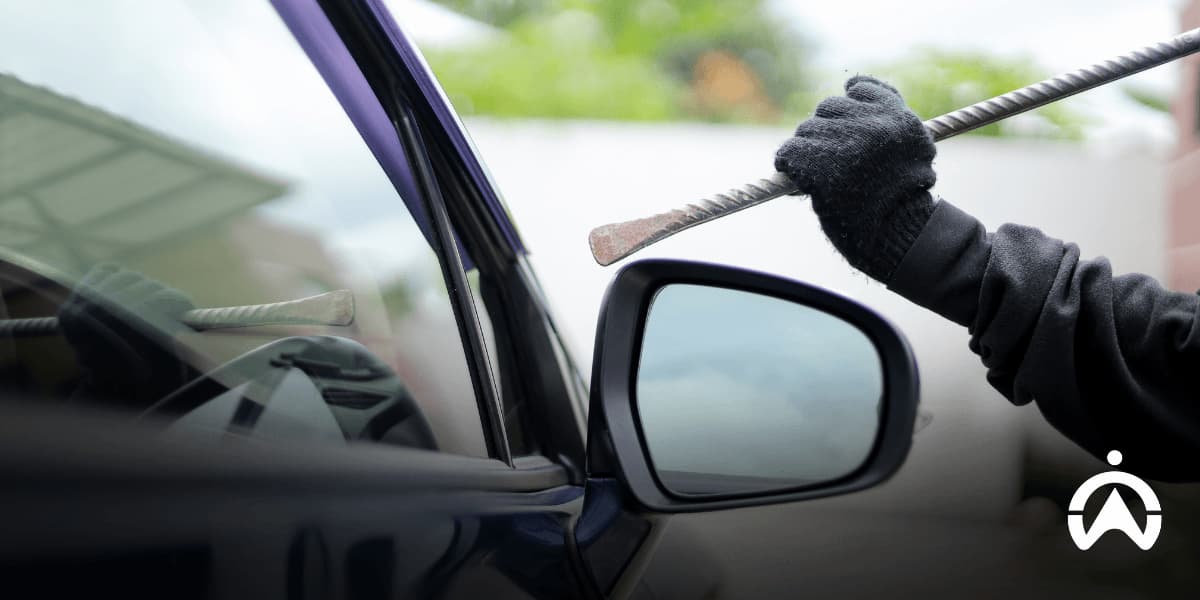
But what is a car alarm actually supposed to do? The claim is that it will scare off criminals who break into your car. This simply isn’t the case. While car alarms had their heyday, the novelty has worn off. Criminals will break into a car regardless of the noise, which they know will be ignored by anyone who hears it.
When last did you hear a car alarm before deciding to investigate?
REALITY CHECK: If a car thief can break into your car and get it to start, they can easily disable a car alarm too. Thieves have evolved, so your security should too!
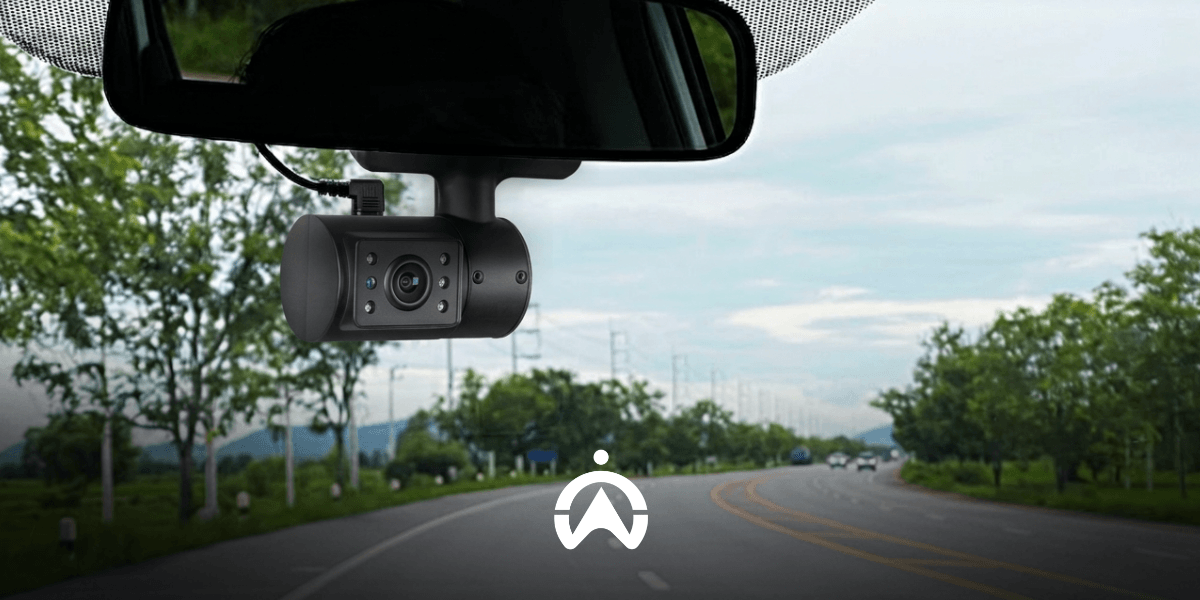
The problem with outdated tracking devices is that they’re still available to purchase. For those who think they can save a few rands, these are enticing vehicle security offers. But more often than not, they simply don’t deliver.
Companies often market these devices as “entry-level”, but they’re actually nothing more than outdated technology. Why aren’t they worth buying?
You might imagine your car getting stolen and looking at your phone to see its location. You may even think the police will be grateful that you had a tracking device in your car, helping them to retrieve it with your help.
This simply isn’t how things will play out. By the time you get someone concerned enough to retrieve your car—assuming you can successfully locate it—it’ll already be stripped for parts.
REALITY CHECK: A modern tracking device does more than just locate your car in real time. It comes with a team of highly trained experts who work with contacts in the police to get your car back as quickly as possible. The technology is state-of-the-art and gives companies like Cartrack the best chance of retrieving your stolen vehicle.
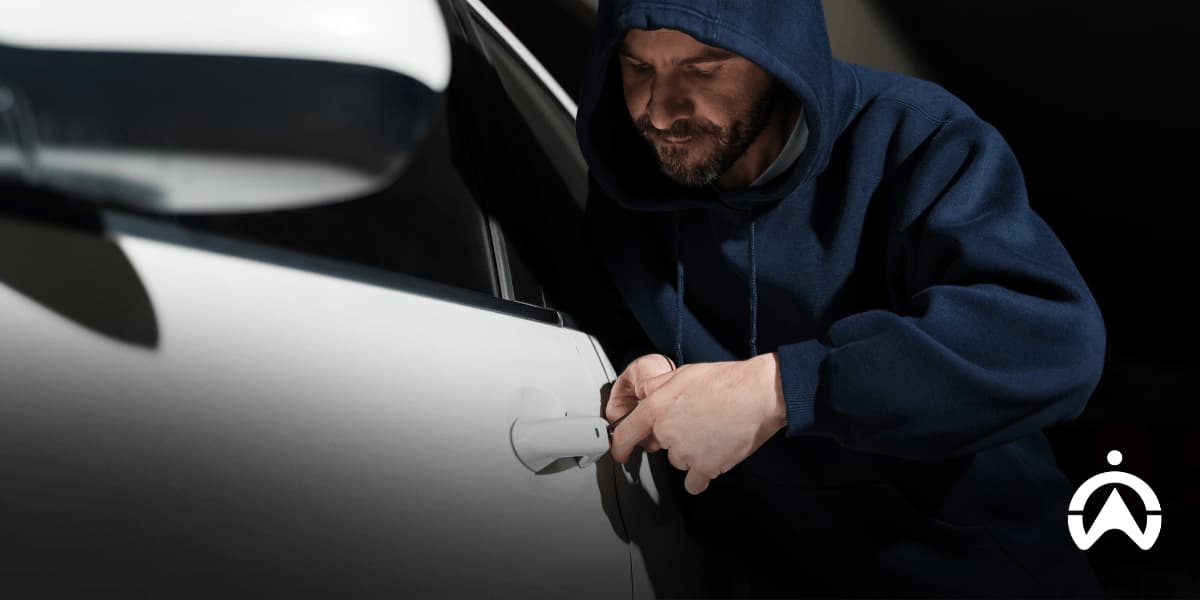
If you think car immobilisers are a technological breakthrough for preventing car theft, you’re still living in the 90s! What many don’t realise is that this technology works with a key fob, and these can be easily cloned.
But there are other techniques career criminals are using to bypass immobilisers. The most recent method is using a CAN bus injection device. It’s the size of a calculator and directly connects to your car’s “nervous system” to force it to start.
REALITY CHECK: There’s a total of 4 common ways car immobilisers can be bypassed, so relying on this on its own isn’t enough to protect your car from being stolen.
It’s true that car thieves don’t want to be seen, but this fact rarely stops them from taking advantage of a parked car. Even if the area is well-lit, car thieves are quick—and they don’t waste time gaining access before starting the ignition.
REALITY CHECK: If thieves can steal cars in broad daylight (and they do), there’s nothing stopping them from doing so under a street lamp. Parking in a well-lit area is somewhat safer, but it isn’t a good reason to be confident.
The same can be said about parking in a busy area. Having people around rarely deters thieves from carrying out their intentions; in fact it can help them blend in without anyone noticing what they’re up to. Car thieves thrive on being able to look inconspicuous. The more people are around, the easier it is to not stand out.
REALITY CHECK: Parking in a busy area may in some cases actually increase the chance of your car getting stolen. There’s more noise, more distractions, and a higher chance of the car thief looking “just like everyone else”.
Read more about how car criminals think.
An AirTag from Apple is a great little device that helps you keep track of things like handbags, briefcases, and even car keys. But it’s not designed for vehicle tracking. And even if it was, it wouldn’t include any kind of recovery if a theft was to take place.
Cartrack has done an in-depth article on AirTags vs GPS tracking devices for car theft prevention. You’ll notice that these two technologies are very different, and one is much better suited to protecting your car.
REALITY CHECK: Even though AirTags are a once-off cost, they’re not the same as a professional vehicle recovery service that uses GPS tracking to locate your car and apprehend criminals with the help of authorities.
If you’ve been relying on any of the above methods to protect your car, it’s perfectly fine to keep them in place. But your primary method of protection should be an upgrade from all of them. Here are three methods that have a proven track record of being more successful.
A GPS tracker is one of your best methods of retrieving a car that’s been stolen, but only if it comes with a crack shot team of experts who can recover your vehicle once it’s been located.
The problem is that many criminals now use jamming devices to block GPS signals. They also locate & remove tracking devices, rendering them obsolete before quickly disassembling your car for parts.
The solution to this? Cartrack has come up with a backup tracker called the CT tag, which works on an independent RF network. This not only notifies us of a jamming attempt, it also helps us locate your vehicle using signals that are impervious to illegal jamming devices.
When you’re not there to watch your car, a virtual car guard is a great way to achieve peace of mind. If someone moves your vehicle without permission, you’ll be the first to know via the CarWatch add-on on the Cartrack app.
The best part is, you no longer need to manually arm this feature. You can set it to auto-arm and get round-the-clock protection no matter where you’ve parked.
Limp mode is a newer vehicle protection feature that’s optional when you partner with Cartrack. It takes advantage of your car’s factory limp mode setting and allows us to activate it in case of a theft or hijacking.
What is limp mode? It’s a forced state that puts your vehicle at 30% capacity. This means thieves will still be able to drive, but they’ll be so slow and so frustrated that they’re likely to abandon their getaway and leave your car for us to retrieve.
To keep your car safer and have the best chance of getting it back if thieves do take advantage, choose Cartrack as your anti-theft partner. We’ve taken the car protection methods that actually work and turned them into convenient applications you can use from your phone.
Remember: It’s not just about your car. Keeping you safe on the road is also about your loved ones, so make sure you get the best protection methods for yourself and your family.
Call us for more information on any of these features and we’ll work out a package that keeps your car safer than any other outdated method ever could.

Are you relying on poor vehicle security measures to keep your car safe? Learn what methods don’t work, and which ones you can safely invest in.