For years, dashcams were seen as an optional extra that only some fleets had to help with fleet management, insurance claims and peace of mind. However, thanks to global law changes, that window of nice-to-have to must-have is closing fast. Across the globe, lawmakers are pushing for advanced camera systems to be mandatory for specific vehicles.
If you manage or own a fleet, knowing these law changes is essential. These laws can shape what technologies you must implement and what you’re expected to prove if something goes wrong on the road.
Here’s what's changing, and why the smartest move is starting now with Cartrack before the laws are set in stone and you're scrambling to catch up.
According to the World Health Organisation, around 1.19 million people die each year because of road traffic crashes. On top of that, between 20 and 50 million more people suffer non-fatal injuries. And because of these astronomically high fatality and injury rates, regulatory changes for road safety are being pushed globally.
The main factors that cause road accidents are:
With the right regulations in place, road traffic injuries can be prevented. Road fleets are one of the entities on the roads that need strict regulations to keep themselves and others on the roads safe. One piece of technology that can help with safety on the roads is AI cameras.
However, it’s important to note that not all of the laws work the same way. Some of them mandate camera or sensor hardware directly, and if you don’t comply, you can face legal consequences. Others don’t demand cameras at all but have laws that would make having them beneficial for a fleet.
Part of fleet management is ensuring that your operations are tracking and monitoring the clear policies and laws around managing a fleet.
The EU’s General Safety Regulation was updated in 2019 and has been slowly rolling out in phases since 2022. All new truck types sold in the EU since 2022 and all new truck registrations from July of 2024 have had to comply with the updated regulation, which has introduced a range of mandatory advanced safety features.
The rollout started in July 2022 and introduced specific features on new type approvals, such as:
The second part in July 2024 added:
The third and most recent regulation in July 2026 added that new trucks must now carry:
The last regulation that’s set to come in January 2029 will require:
The EU believes that these new regulations will prevent at least 25 000 road fatalities by 2038.

The UN ECE regulations are technical standards set by the World Forum for Harmonisation of Vehicle Regulations (WP.29) under the United Nations Economic Commission for Europe. These regulations are mandatory for new vehicle types; the implementation started in July 2022 and continued to July 2026 (vehicle category and regulation dependent).
This governs the camera monitor systems (CMS) that can legally replace traditional side mirrors with exterior cameras and in-cab displays. The requirements for this are:
This requires trucks to warn drivers of cyclists and pedestrians in their blind spot. The system requirements are:
Covers camera and sensor systems that monitor the area behind the vehicle while reversing.
The main requirements are:
Requires a system that can detect cyclists and pedestrians in the close-range blind spot directly in front of a vehicle before it moves off.
Key requirements are:
These regulations show that 'dashcam' isn’t the right term for what fleets require. A compliant fleet has multiple cameras and sensors that work together to satisfy safety-related mandates.
The Ministry of Road Transport in India has announced one of the most notable reworkings of commercial vehicle safety standards in the country’s history. One of the major contributing reasons for the focus being on vulnerable road-user detection is because in India, motorcycles, bicycles, pedestrians and heavy trucks all use the same congested roads.
Here are the dates and ADAS features that every commercial fleet now needs.
From 1 January 2027, all commercial fleets must:
All commercial fleets from October 2027 must have:
To protect all road users, including pedestrians, cyclists and motorcyclists, from January 2028, all trucks are required to have:
British Columbia has become the first jurisdiction in Canada to legally require dash cams on commercial trucks. Bill M217, the Dashboard Cameras in Commercial Vehicles Act, requires a forward-facing dashcam on every commercial vehicle over 11,793kg that operates on B.C. highways.
This bill was passed in the B.C. Legislature in May 2026 and came into force six months after the Royal Assent, and these are the requirements:
It’s important to note that this law applies to all qualifying trucks that travel on B.C. roads, regardless of where your fleet is coming from.
Singapore has two regulations in place when it comes to cameras for commercial vehicles. One mandates blind-spot camera systems on heavy vehicles, and the other separately regulates how dashcam footage may be used once recorded.
On the hardware side:
The Land Transport Authority (LTA) required that all vehicles registered on/after 1 April 2015 that have a maximum laden weight that exceeds 12,000 kg must be fitted with a mirror or camera monitoring system that eliminates blindspots.
On the footage side:
The LTA, with the Personal Data Protection Commission, developed and announced guidelines that allow in-vehicle recording device footage to be used, provided the devices are tamper-proof and installed as per manufacturer requirements. Access to the footage is restricted for a legitimate purpose (like an investigation).
Indonesia’s regulations are still on the drawing board, so treat this information as one to watch rather than a compliance deadline. Indonesia’s government plans include ADAS implementation by 2028, with automatic emergency braking and blind-spot detection to be made mandatory in all vehicles.
Additionally, Indonesia’s Ministry of Transportation is evaluating mandatory dashcam requirements for commercial freight. For fleets working in Indonesia, it’s worth closely monitoring this and possibly ensuring that all vehicles are already compliant with these requirements before they become mandatory.
The Administrative Adjudication of Road Traffic Offences (AARTO) Act doesn’t mandate cameras or fleet dash cams at all; however, it does change the cost of not having one in your fleet.
AARTO now moves all traffic infringements out of the criminal courts and into an administrative system that’s run by the Road Traffic Infringement Agency. The system works with a driving demerit points system that started in July 2026 and extends nationally through 2027.
Under the new regulations, demerits can block your driver’s licence or a vehicle's licence disc renewal, which is a real operational risk for a fleet and not just an inconvenience. But having cameras installed in your fleet can assist with any invalid fines where you can prove your driver's innocence with actual timestamped footage.
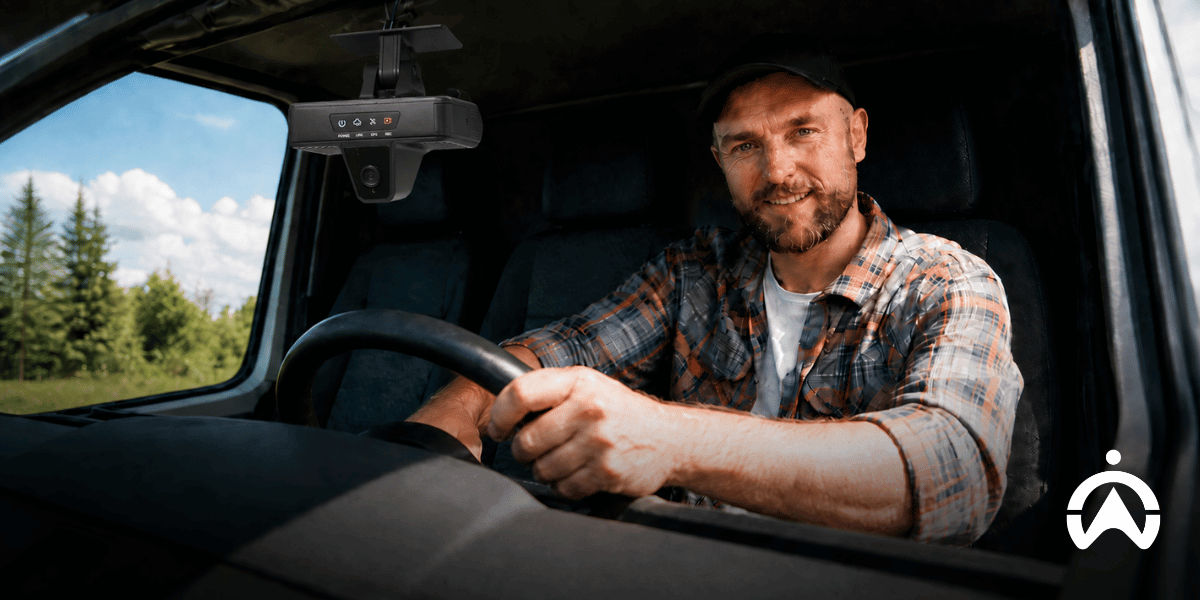
Fleet management tends to forget that fitting a dashcam or camera solution is the easy part. What you do with the footage afterwards is where legal compliance actually sits. A dashcam that just records, with no software layer for access control, data retention limits, or the ability to delete, is a compliance hazard.
The problem with dashcams that don’t have software is they can't guarantee the privacy protection of people’s faces, number plates, conversations, and even GPS locations. Which is why fleet management must adopt fleet technology that complies with privacy laws.
Under the EU’s GDPR, a recording containing an identifiable face or readable number plate counts as personal data the moment it’s captured. South Africa’s POPIA has similar regulations with regard to what’s captured and how the footage is to be handled after it’s been recorded.
Dashcam footage that isn’t controlled is worse than having no footage at all. Fleets need cameras that are compliant under privacy laws. Cartrack’s camera solutions have secure storage, controlled access and redaction tools to ensure your fleet is protected and compliant.
Global fleet safety laws affect your fleet in two ways. First, if you have a fleet that moves across borders into countries that have strict laws in place, your fleet must comply with them. Secondly, these laws are likely to spread to all countries across the globe, so it’s best to implement these regulations into your fleet now.
Looking at the laws currently in place, dashcams aren’t the only thing fleets need. They require advanced video telematics with camera solutions that can eliminate blind spots, prevent pedestrian and bike accidents, and keep an eye on your drivers. These systems need to be active in alerting drivers to possible incidents on the road as well.
The question isn’t whether you’ll get advanced camera solutions for your vehicles—it’s WHEN. As more road safety, privacy, and tracking laws come into effect, will your fleet keep up now or have to catch up later?
If you're looking for a camera partner for your fleet that’s internationally recognised and trusted, Cartrack has installed over 200,000 cameras globally! Speak to Cartrack about fleet dashcam and AI camera options that help your management of safety, compliance with privacy laws, and running a more responsible fleet.
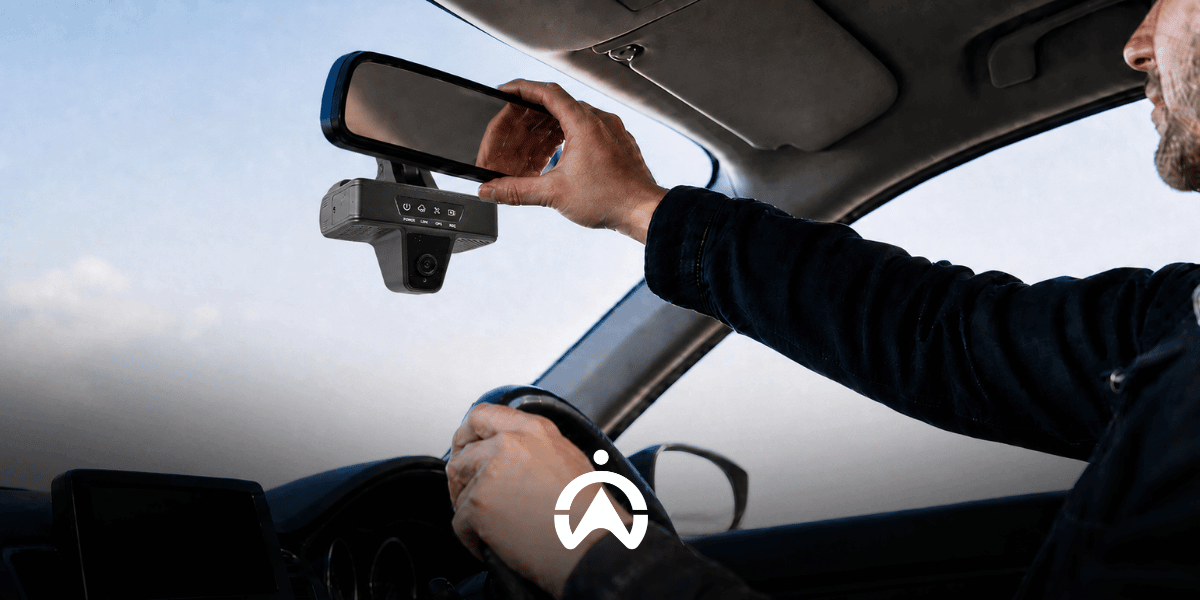
Learn about the global transitions to safer driving that are making dashcams an urgent priority in fleets around the world.