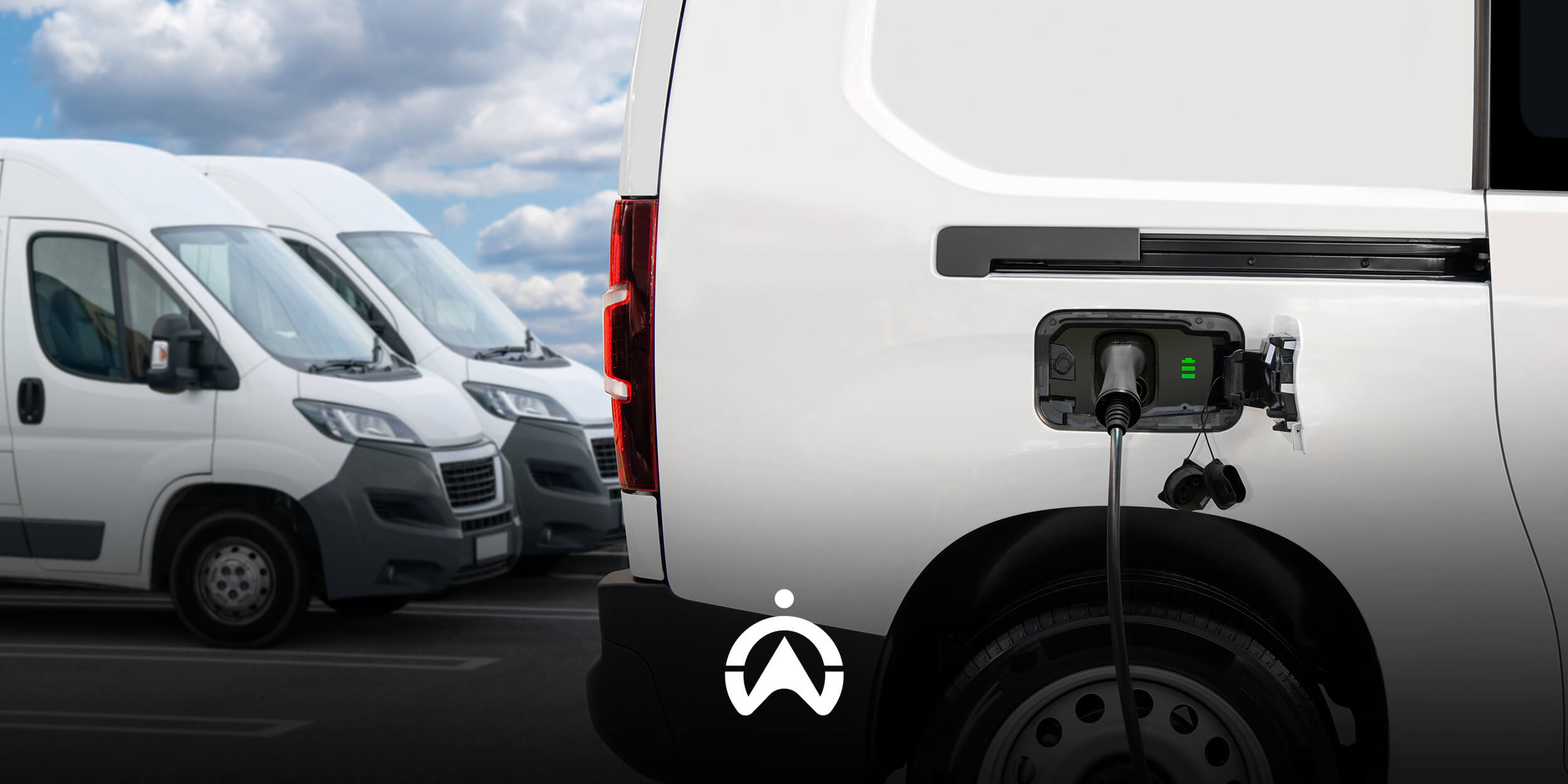
Fleet electrification refers to transitioning your fleet from traditional ICE (internal combustion engine) vehicles to EVs (electric vehicles). Although the starting price of an EV is higher, its lower running costs make it far more affordable overall. Electrification brings the total cost of ownership (TCO) below that of traditional ICE vehicles.
Electrification is usually the result of logistics and delivery companies looking to meet sustainability goals and go greener. Your business could be the next to successfully make that transformation, too. In this FAQ, we discuss electrification, the steps to take, and how Cartrack can support your fleet transformation.
1. What is a fleet electrification roadmap?
A fleet electrification roadmap is a step-by-step guide that helps you make the move from traditional ICE vehicles to EVs. This roadmap lays out:
the right time to make the move
your fleet's needs
costs & expenses
infrastructure & resources
policies & training, and
adaptation.
The point of the roadmap is to help you plan where resources need to go and how much money will be spent.
2. How long does a typical transition take?
A typical transition takes a few months up to a few years, as electrification is typically a phased approach. Realistically, electrification usually takes a few years to achieve, especially if the aim is to transition the entire fleet.
3. What is the first step in electrification?
The first step in electrification is to look over your business’s current position. Take note and gather data on elements like the kinds of vehicles you have & what they’re being used for, if you want a mixed or fully electrified fleet, the pros & cons of electrification, and so on.
4. What are the biggest risks of not having a roadmap?
not understanding the necessary tools, technologies, & resources required, and
putting your business in financial and regulatory jeopardy.
5. What happens to electric cars after a few years?
After a few years, electric cars start to degrade, and their batteries erode. As is the nature of any battery in general, the quality of the battery degrades, which could affect the performance of your vehicle.
6. How does Cartrack help with electrification?
Cartrack helps with electrification by combining telematics with a powerful fleet management system (FMS) to give you detailed analytics and insights. The information makes the transitional process easier and helps with maintaining visibility. Telematics assists with battery health and monitoring, as well as optimising routes. Additionally, you can reduce energy and ensure proactive maintenance.
7. What is the future of electric mobility?
The future of electric mobility shows an upcoming boom in the adoption of EVs, especially in companies dealing with logistics and deliveries. Carbon emissions regulations are becoming stricter as the years pass, pushing businesses to go greener. Oftentimes, clients and customers also have expectations from businesses, which is another driver in the choice to electrify.
8. Will I have to change my fleet management system if I change to an electric vehicle?
No, you won’t have to change your fleet management system if you change to an electric vehicle if you’re with Cartrack. Fortunately, Cartrack’s FleetWeb platform accommodates ICE vehicles, EVs, and mixed fleets, meaning there’s no need to adopt separate tools or platforms while you transition.
9. Are electric vehicles safer in accidents?
Yes, electric vehicles are usually safer in accidents because they’re less likely to catch on fire and are usually more heavily reinforced. EVs tend to go through intense crash tests. They can also handle intense impact far better than ICE vehicles and have technologies that prevent collisions.
10. Can I remotely manage my fleet cars with the Cartrack system?
Yes, you can remotely manage your fleet cars with the Cartrack system. FleetWeb is a platform that’s entirely online and doesn’t need you to be physically present to make the changes. Because our GPS tracking gives you total visibility over your whole fleet, you can remotely intervene quickly and as necessary when an emergency occurs.
11. Is it more expensive to have an electric fleet?
No, it’s not more expensive to have an electric fleet. In fact, having an EV fleet will reduce your costs and save you more in the long term. The only time an electric fleet is more expensive is at the beginning, the transitional phase, and when everything is being purchased.
12. What is the end goal of the electric fleet roadmap?
The end goal of the electric fleet roadmap is to help you understand where your efforts go and how much money will be needed. When it comes to electrification, you don’t want to make the transition all in one go. A phased approach is the best way to go.