Bad Battery and Fuel Consumption: Will You Use More? Get the Answers
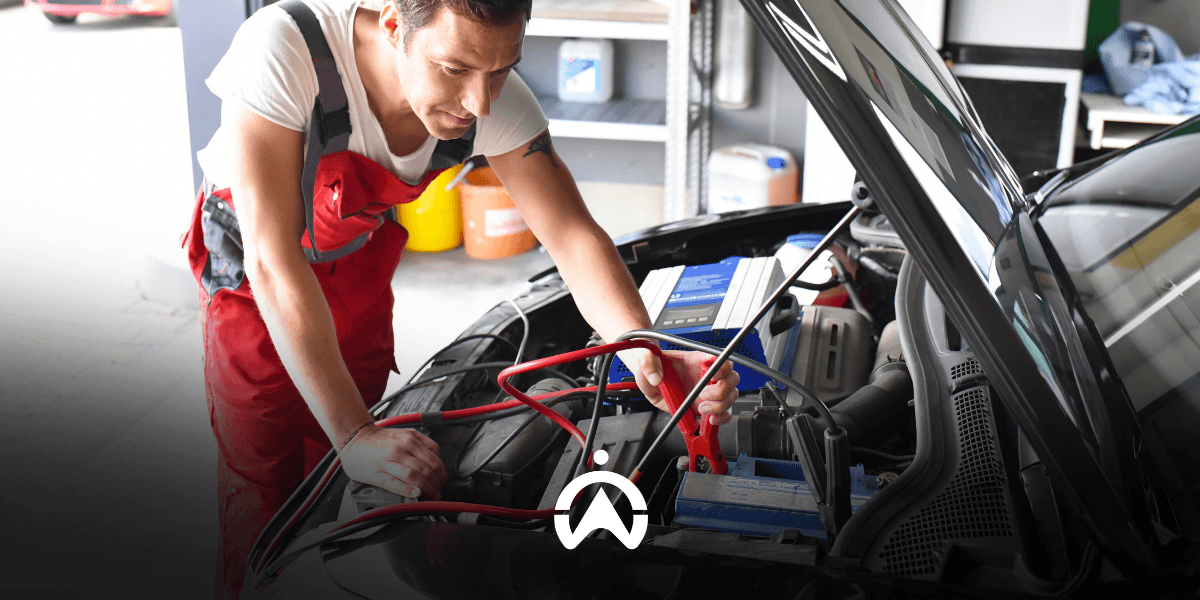
Bad battery and higher fuel consumption are directly linked. If you have a weak battery, you’re going to use more fuel just to keep your car running. The reality is: a dying battery puts a lot more pressure on your car’s alternator, which puts even more strain on your engine and ultimately leaves you bleeding cash at the petrol pumps!
Research showsthat when there’s more pressure on the engine, fuel consumption can easily increase to about 7.6% and reach an eye-watering 17% in urban, congested, stop-and-go city traffic. It’s a clear indicator that a weak battery will quickly and quietly drain your fuel if you’re not vigilant. Get all the answers on battery care and fuel consumption here.
1. Does idling a car charge the battery?
Yes, idling a car technically charges the battery, but it’s not as efficient as driving normally, and it also causes more harm than good. Charging while idling is an extremely slow process; you’d likely have to idle for hours, wasting a great deal of fuel and creating pollution.
2. What causes a car or truck to consume more fuel?
Driving defensively, i.e., keeping to speed limits, avoiding aggressive road habits, and planning/optimising your route
Avoiding idling as much as possible
Keeping your vehicle in peak condition through regular maintenance
Using the right-sized vehicles for deliveries
Implementing a fuel management system
8. How long should a battery last in a truck and a car on average?
A battery should last at least 3 years in a truck or car on average, but premium batteries can reach up to 7 years if properly cared for. Naturally, the lifespan of a vehicle’s battery depends on factors like:
Driving habits
Exposure to harsh climates (extreme hot and cold)
The type of vehicle (trucks have heavier batteries that typically experience more strain)
9. How much extra fuel does a struggling battery actually consume?
A struggling battery consumes about 1 extra litre of fuel per 100 km, though this is applicable to a standard-sized sedan. This translates to about a 10% reduction in fuel efficiency. This is because the alternator is working overtime just to keep the engine running and keep up with the vehicle’s demands.
10. Will keeping my accessories turned off fix the fuel issue if the battery is weak?
No, keeping your accessories turned off won’t fix the fuel issue if the battery is weak. The battery is already damaged, so you need to get it tested to check whether it needs a repair or total replacement. Keeping accessories turned off only keeps your battery from draining further.
11. What is the cost of a fleet system from Cartrack?
The cost of a fleet system from Cartrack ultimately depends on the package tier you choose, as well as which services and add-ons you opt for. But prices start at R149.00 per month. Hardware installation is free!
12. Can a weak battery cause engine misfires or rough idling?
Yes, a weak battery can cause engine misfiring or rough idling. This is usually because the spark plugs aren’t receiving enough electrical energy to power the ignition of the car; or the voltage is unstable, which confuses the car's ignition process and makes it difficult to start.