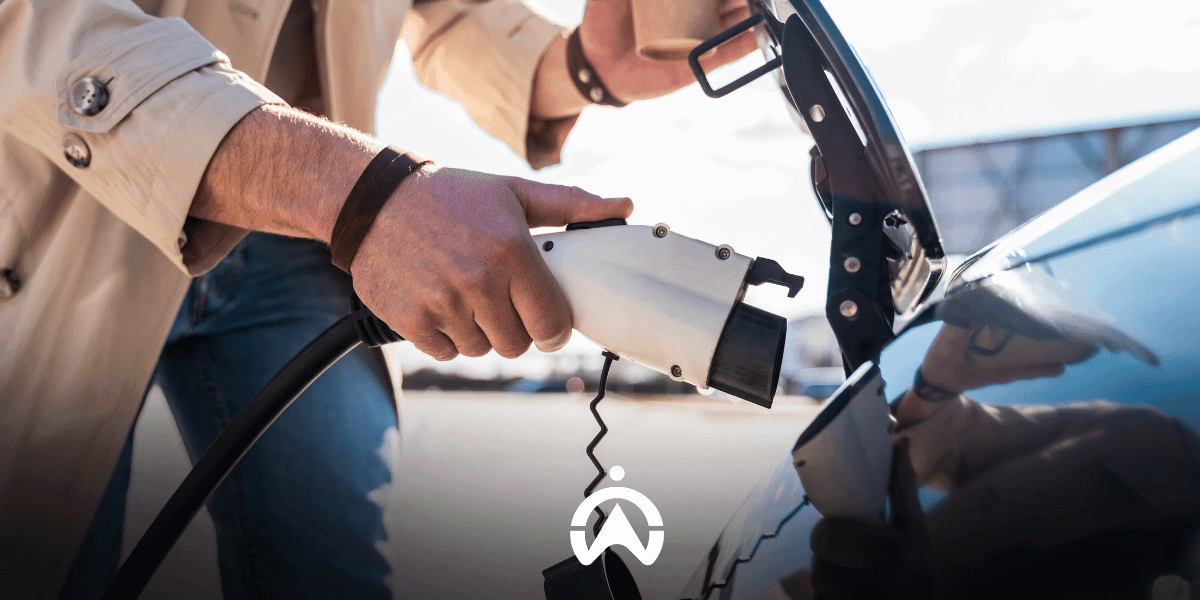
Is it a good idea to drive an EV as an e-hailing lift provider? The short answer is YES; but only if you’re smart about it. Saving on fuel is a good incentive, but other benefits will give you an even higher return on investment if you manage your routes, charging schedule and maintenance wisely.
Here are answers to some of your pressing questions regarding EV driving in the e-hailing industry.
In addition to fuel, you’ll also save on maintenance and the risk of the entire car getting stolen (since EVs are notoriously hard to steal). But this doesn’t mean you shouldn’t track your EV all the same, since they’re still targeted for their parts and can be easily stolen during a hijacking.
Tracking your electric car also has great telematics benefits that can give you an edge in the e-hailing industry; like route optimising, charging station mapping, and battery health monitoring.
The number of kilometres you can reach on a full EV battery depends on what electric vehicle you’ve opted for. Some of the more expensive cars can reach up to 500 kilometres, while budget options will give you closer to 300 kilometres. How you drive and what amenities you use while driving also play a role in battery life.
At the moment, models like the BYD Dolphin and GWM Ora 03 are the EVs being considered and even tested by South African e-hailing companies and their drivers. They're sidely accessible, relatively affordable, and great for daily fast-charging cycles.Other more well-known brands like Toyota and Suzuki are also bringing out EVs ideal for e-hailing.
Yes, insurance companies tend to charge higher premiums for most EVs because they’re generally more expensive to replace or repair if stolen or having been in an accident. However, insurance premiums also depend on your risk profile, which can be lowered if you invest in EV vehicle safety features like a tracking device and dashcam.
Range anxiety is easily eliminated when you use software that’s designed to pinpoint nearby charging stations and plan your routes according to the vehicle’s real-time battery status. This is done through Cartrack’s specialised EV fleet software, and gives you enough time (and the quickest route) to ensure an on-time charging session.
While hatchbacks are more fitting for passenger-only trips, sedan versions of electric cars have more than enough boot space for travel luggage. Hatchback versions do have space for small luggage, but if you’re travelling to or from an airport, a sedan trip might be more practical.
The biggest challenge facing EV drivers working for e-hailing companies is the time it takes to recharge the vehicle battery. If charging has to be done within working hours, this can cut into your earnings, which is why it needs to be planned strategically using algorithmic route-optimising software.
Mass produced EVs were introduced to South African motorists in 2013 and are holding up well on our roads over a decade later. While the tyres of EVs need maintenance as often as regular petrol cars, other components require much less maintenance. Still, because of the precarious condition of SA’s roads and the heavy battery packs of EVs, suspension, shocks control arm bushings and tie rods might need regular inspection due to potholes or dirt roads.
As with all things mechanical, you usually get what you pay for. Cheaper EVs should deliver a minimum of 10 years battery longevity, while more advanced models can reach up to 20 years or more.
Both renting and buying are viable options for e-hailing purposes. However, you’ll earn more overall if you invest in an electric vehicle as a once-off purchase. While the initial investment might be higher, your new EV car will quickly start paying for itself as you use it to transport passengers.
Charging an EV is charged per kW, and different charging stations charge varying rates depending on their infrastructure. You can pay anywhere between R70 and upwards of R400 to fully charge an electric car in South Africa. This price goes significantly down if you invest in your own solar charging station at home.
Yes, Cartrack offers features specifically designed for EV fleets. Not only will we display real-time battery statuses for all of your vehicles, we’ll also help you manage your trips, give you the most efficient routes, and help you digitise your logbook for tax purposes