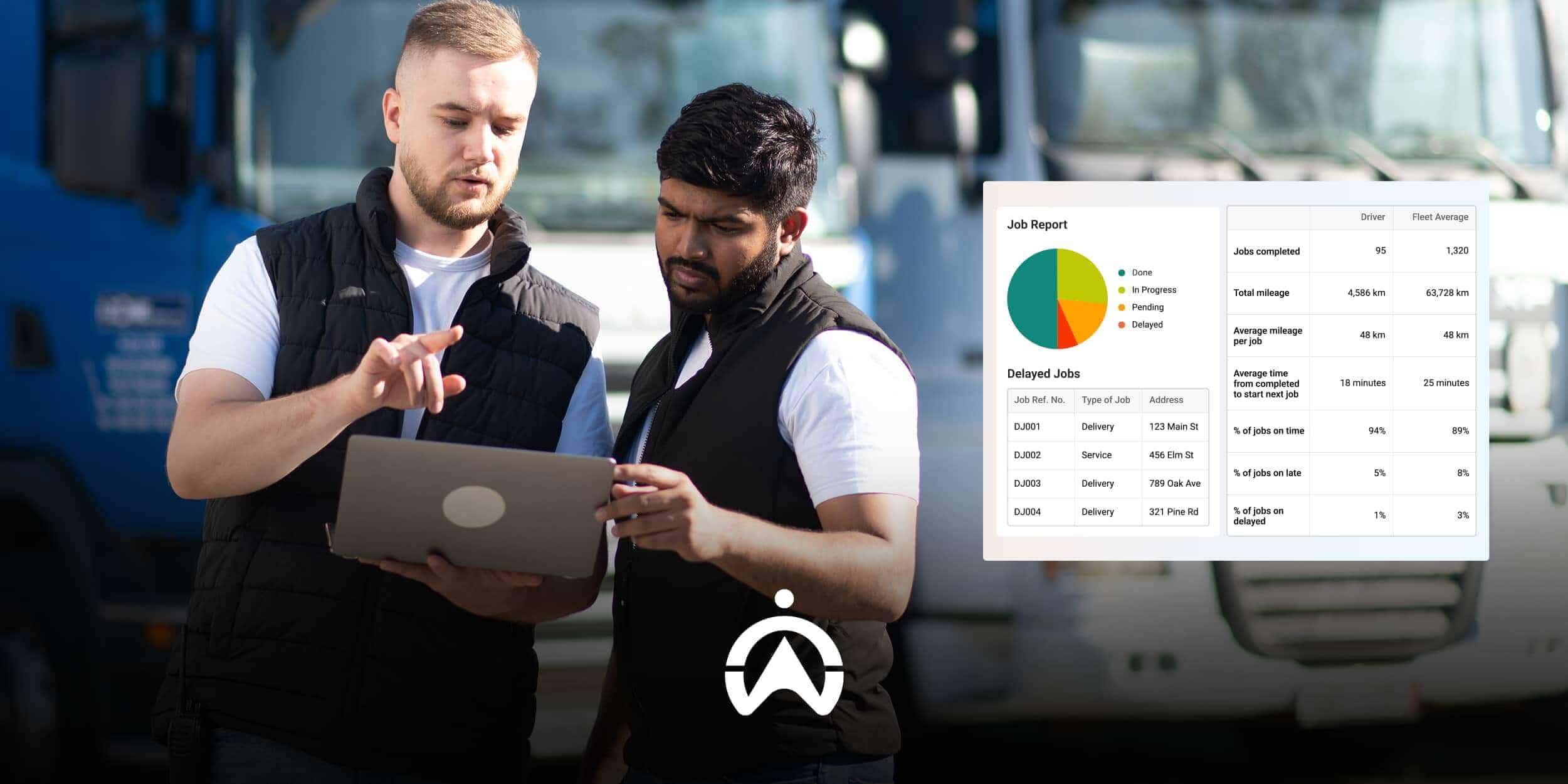
Get all your questions answered on fleet optimisation
Are you still wondering about a few of the more complex aspects of fleet optimisation? Get your fleet performing at its best, cut down on costs, and improve performance with a few simple changes. Optimisation is about creating a fleet that communicates and operates as efficiently as possible.
2. What is the main purpose of fleet management system?
Fleet control, vehicle tracking, and reduced inefficiencies are the purposes of a fleet management system.
3. How to manage a fleet effectively?
You need to have an optimised fleet that uses tracking systems and effective fleet management. Using these systems helps to track where the vehicles and assets of your fleet are. Managing the fleet effectively starts with the data you’re receiving from your vehicles.
4. What is the biggest challenge in fleet management?
What you do to monitor the fleet management is measure how well the drivers are performing, how well the vehicles are doing, and the overall efficiency of your fleet. Make sure your fleet communicates effectively as well. Fleet managers have to be able to talk to their drivers, while drivers have to be able to understand what their managers are telling them to do.
9. What makes a good fleet manager?
A good fleet manager uses the tools given to them to effectively manage their entire fleet. They use apps, routing systems, and telematics to ensure drivers know where to go and stay on the road. Your best fleet manager will always know where (and in what condition) the vehicles in your fleet are.
Rely on a fleet management system’s on-demand monitoring
11. How to reduce fleet cost?
You need to increase the efficiency of your fleet to reduce its cost. Increase your fleet’s efficiency by implementing a management system. Your fleet managers need to optimise fuel usage, efficiently use resources, and have effective route planning.
12. What is the starting point for optimisation?
To start the optimisation process, you need to identify the key problems in your fleet. Drivers may need to be trained, fuel could be stolen, or your fleet managers can struggle to communicate with drivers.