
FAQs

Get Your Answers on EV Route Optimisation With Cartrack

EV route optimisation empowers you with smarter ways to keep your business and electric vehicles in their best running conditions. Through route optimisation, you can manage and forecast your EV's charging needs and energy use. In 2025, 64% of fleet professionals reported running electric vehicles, with plans for more electrification in the coming years. This highlights the rising demand for smart EV routing.

Owning EVs presents its own set of unique challenges. In this FAQ, we address all your questions on EV route optimisation, break down core concepts, and show you exactly how Cartrack’s fleet solutions support your EV route management goals.
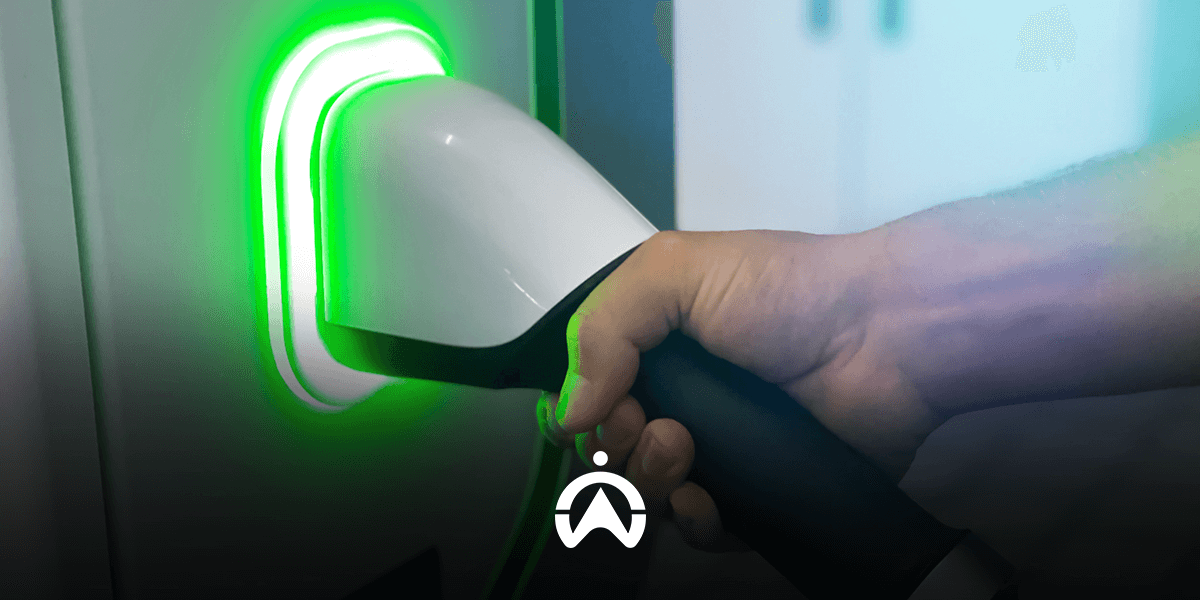
1. What makes EV routing a "harder" problem than traditional Internal Combustion Engine (ICE) routing?

Factors like battery constraints, charging times, and station availability can make EV routing a ‘harder’ problem than traditional Internal Combustion Engine (ICE) routing. ICE drivers have to factor in destinations and potential traffic jams, while EVs need to account for real-time uncertainties.

EV software needs to balance travel distance, energy use, and charging stops to prevent delays and range issues.

2. How does AI fleet management specifically improve EV range prediction?

AI fleet management specifically improves EV range predictions by using insights and analytics that examine factors like usage and battery performance. By doing this, you get a holistic view of your EV’s functions, allowing you to plan accordingly and avoid delays or downtime.

3. What is the best solution for managing an EV fleet?

The best solution for managing an EV fleet is a comprehensive fleet management platform, like Cartrack’s Fleetweb. An integrated platform like this brings together all the necessary tools required for EV management, like predictive maintenance, live GPS tracking, and energy and range management.

4. Can Cartrack’s FMS have a mixed fleet (ICE and EV)?

Yes, Cartrack’s FMS (fleet management system) can have a mixed fleet. Fleetweb is comprehensive enough that a mixed fleet would still benefit from its tools and offerings, tending to the unique needs of EVs while also eliminating any cross-platform confusion.

5. What is the Electric Vehicle Routing Problem (EVRP)?

The Electric Vehicle Routing Problem (EVRP) is the logistical hurdle of planning routes while considering battery limits and charging needs. The solution here is to keep travel distance and charging time low while ensuring that EVs remain within their operational range. EVRP takes into account energy constraints and the availability of charging stations for each route decision.

6. Why do you need fleet management to help manage your EV fleet?

You need fleet management to help manage your EV fleet because it has a unique set of challenges that need to be tackled. These include range anxiety, optimising charging, monitoring battery health, promoting eco-driving, and much more. A fleet management solution like Cartrack’s is fundamental to reducing operational costs and supporting your ESG goals.

7. What is the difference between route optimisation and route planning?

The difference between route optimisation and route planning is that route optimisation uses data to perfect the route by minimising wasted time and energy, whereas route planning is focused on the order of the route stops.

8. How does dynamic routing handle last-minute changes in commercial operations? How does Cartrack assist?

Dynamic routing handles last-minute changes in commercial operations by making tweaks to the route in real time, based on conditional changes caused by traffic, new orders, and the like. Cartrack assists by providing the delivery routing and dispatching tools that allow for these unforeseen changes to happen smoothly and without delay.

9. How does fleet route planning address the "Last-Mile Delivery" challenges for EVs?

Fleet route planning addresses the ‘last mile delivery’ challenges for EVs by tackling them head-on. Advanced software, like Fleetweb, offers precision and productivity that accounts for elements like charging stops, delivery times, and range limits. This makes the most important mile in the delivery process a smooth operation.

10. What is the difference between a static and a dynamic EV route?

The difference between a static and dynamic EV route is that a static route is fixed and usually planned ahead of time, whereas a dynamic route is one that uses data to adapt to changes that happen on the fly. Cartrack offers dynamic routing.

11. What is range anxiety, and how can it be prevented?

Range anxiety is the fear that an electric vehicle (EV) won't have enough charge to get you to your destination and leave you stranded. It's a significant barrier for prospective EV buyers. This can be prevented by getting precise energy predictions, smart route planning, and real-time charging station info. Tools from Fleetweb consider all these factors.

Back to blog

Get Tracking or Explore More Solutions for Your Fleet & Personal Needs Today!

Our consultant will contact you shortly

Thank you! Your submission has been received!
Oops! Something went wrong while submitting the form.