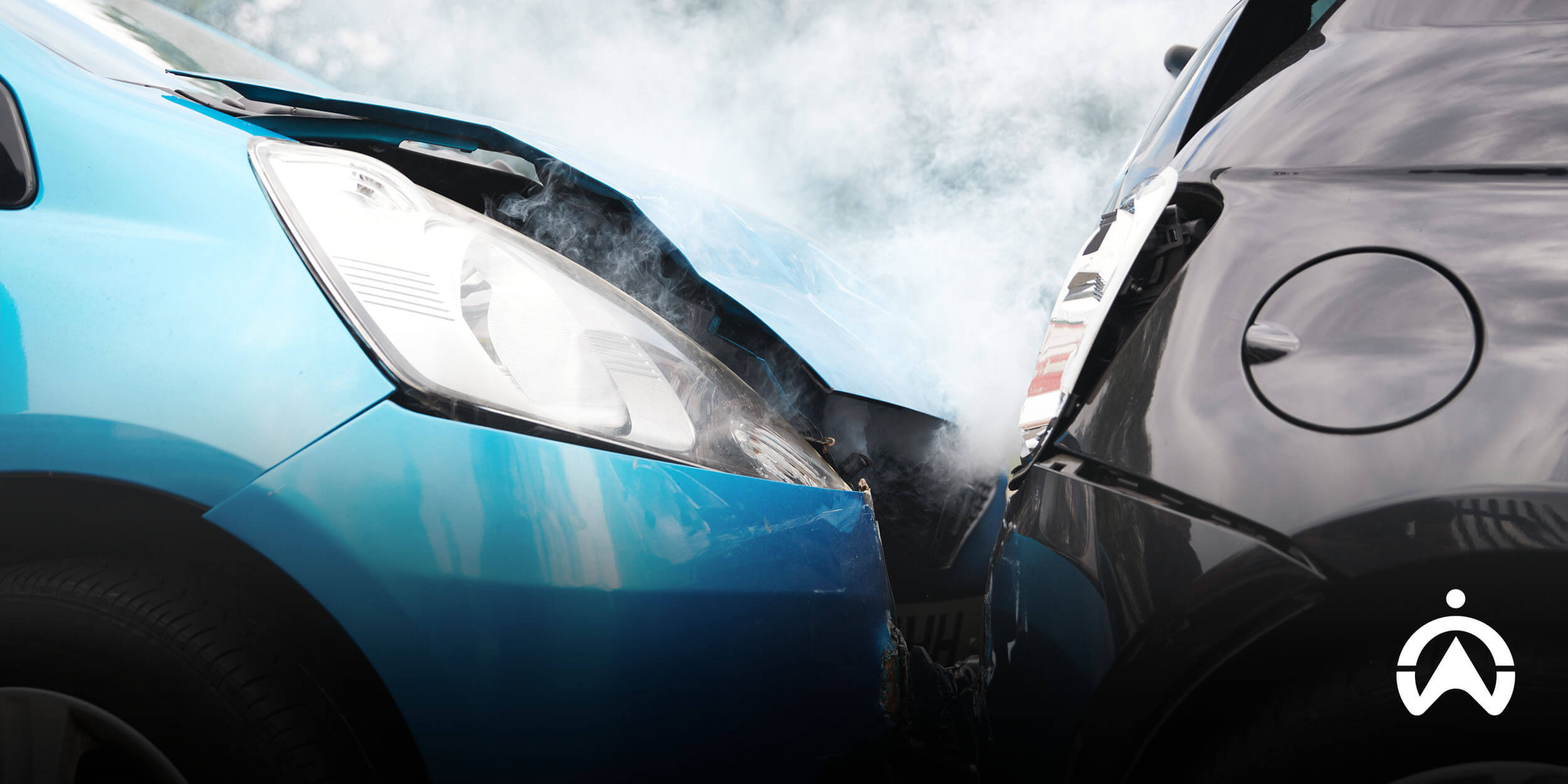
If you’re ever involved in an accident and have a dashcam, you must make sure you get hold of the footage so you can present it as evidence. A good dashcam should clearly demonstrate the events leading to the accident, so you and all other parties involved can establish who was at fault.
Accidents inflict a lot of trauma; everything happens so quickly, and remembering all the details can be quite difficult. With a dashcam by your side (well, your windscreen), you won’t have to stress about remembering everything; it’ll do the reconstructing for you. Your dashcam should be cloud-based so you can retrieve the footage even if the camera itself was compromised in the accident.
These days, it seems the only way to catch the culprit is by showing the police exactly who it was. According to an article by Budget Insurance, dashcams present great benefits for insurers; like a faster claims process. In today’s article, we’ll give you tips on what to do if you’re involved in an accident and have one of our dashcams.
The five steps to take after a vehicle accident are:
Following these five steps will ensure that you don’t make any mistakes that might worsen the situation for you.
Safety first, as we all know. When involved in an accident, the first thing you must do is check if you’re hurt. If you aren’t, you can step out to check on your passengers. Check if they’re responsive by asking questions like, “Are you okay?" This will help you determine how bad the situation is. See if there are any cuts or bruises, and if everyone is fine, then start checking the vehicle damage.
If there are injuries, call emergency services immediately. Don’t touch the cuts or bruises. If someone can’t move, don’t try to move them, as this might make things worse. Wait for paramedics to arrive so that they can assess the injuries.
Most of the time, the police show up in major accidents where people are severely injured or if there are fatalities. If it’s a minor accident where the police aren’t necessarily needed, make sure you go to them as soon as you can and report the accident. Your insurers will require an official police report of the incident or the case number.
Now this is very important because that’s what’s going to save you from paying for something you didn’t cause. The investigators will need solid evidence of what transpired, and that’s where your dashcam comes in! With a dashcam, the reconstruction process becomes easier because it’ll back up your version of events, proving your innocence. Present the dashcam footage to the investigators as soon as possible.
You should also gather as much evidence as possible by taking as many pictures as you can of both the inside and the outside.
Most insurers require that you report the incident within at least 24 hours. Once you inform them, present all the evidence you’ve gathered so they’re aware of everything and it won’t take long to resolve your case.
If you’re with Cartrack, you can easily retrieve the relevant dashcam footage after an accident by either downloading the footage from the Cartrack mobile app or calling in to request that we send it to you. All our dashcams are cloud-based, which means you won't have to worry about the possibility of lost footage.
Here are more details on how you can retrieve your dashcam footage and what to do afterwards:
Our system allows you to view your dashcam footage directly through our mobile app. But if you’re unable to, then you can call our customer support team at 011 250 300 or email clientservices@cartrack.com and request the footage. You must specify the time and date so you can get footage that’s only based on the events leading to the accident.
Once you get the footage, make sure you keep it safe on your phone under a file you can easily access. Store it on your laptop if you have to, or send it to your loved ones so they can always send it back to you if your phone is acting up.
From there you can send the recordings to your insurer to strengthen your version of events and avoid the back-and-forth. The other parties involved will have no leg to stand on once you present solid proof that you’re not liable.
Don’t delete the video recording after sending it to your insurers. Keep it with you for as long as possible in case the other party wants to dispute your claim. Your footage will serve as evidence in court, giving you the upper hand in your case so you can get the compensation you deserve.
Our dashcams also have GPS and telematics features that you can use to support your claim. They can pick up driving behaviours like speeding and harsh acceleration, and they’ll also give you the exact location of the incident. Using these features, you can prove that you weren’t speeding at the time of the accident.
Our dashcam subscription is better than a standalone service because you’ll get:
We make everything easy for you so you can enjoy your drives, feel protected, and save some costs.
Here’s how:
Most entry-level dashcams are affordable. But the good-quality ones? Not so much. At Cartrack, we give you the best of both through our month-to-month subscription. You’ll pay less for a more reliable dashcam. A high-quality dashcam should have HD video resolution so you can see everything clearly. By partnering with us, you get that without denting your pocket.
Unlike a standalone or store-bought dashcam, you’ll have a support team that’s always one call away. If you experience any issues, they’ll be there to help. You’ll also have someone to properly install the camera for you, so you’ll be sure that it’s secure, as opposed to doing it yourself.
Our dashcams are built with strong materials so they can withstand extreme conditions. This means the chances of them being compromised by the impact of the collision are very low. There’s less chance of the camera malfunctioning due to impact. Our cameras also won’t be affected by extremely hot or cold weather, ensuring you get the best footage.
Most dashcams only use SD cards for storage, which isn’t reliable because you’ll constantly need to replace the cards or delete some footage to make space. With our cloud-based dashcams, you won’t have to worry about space because you can always contact us and ask us to add more for you.
Dashcams that only rely on SD cards for storage don’t upload automatically. This means you can’t live-stream or download the footage immediately. They do passive storage, which means you can only see the footage after downloading what’s on the SD card. With us, you can live stream and see everything as it happens.
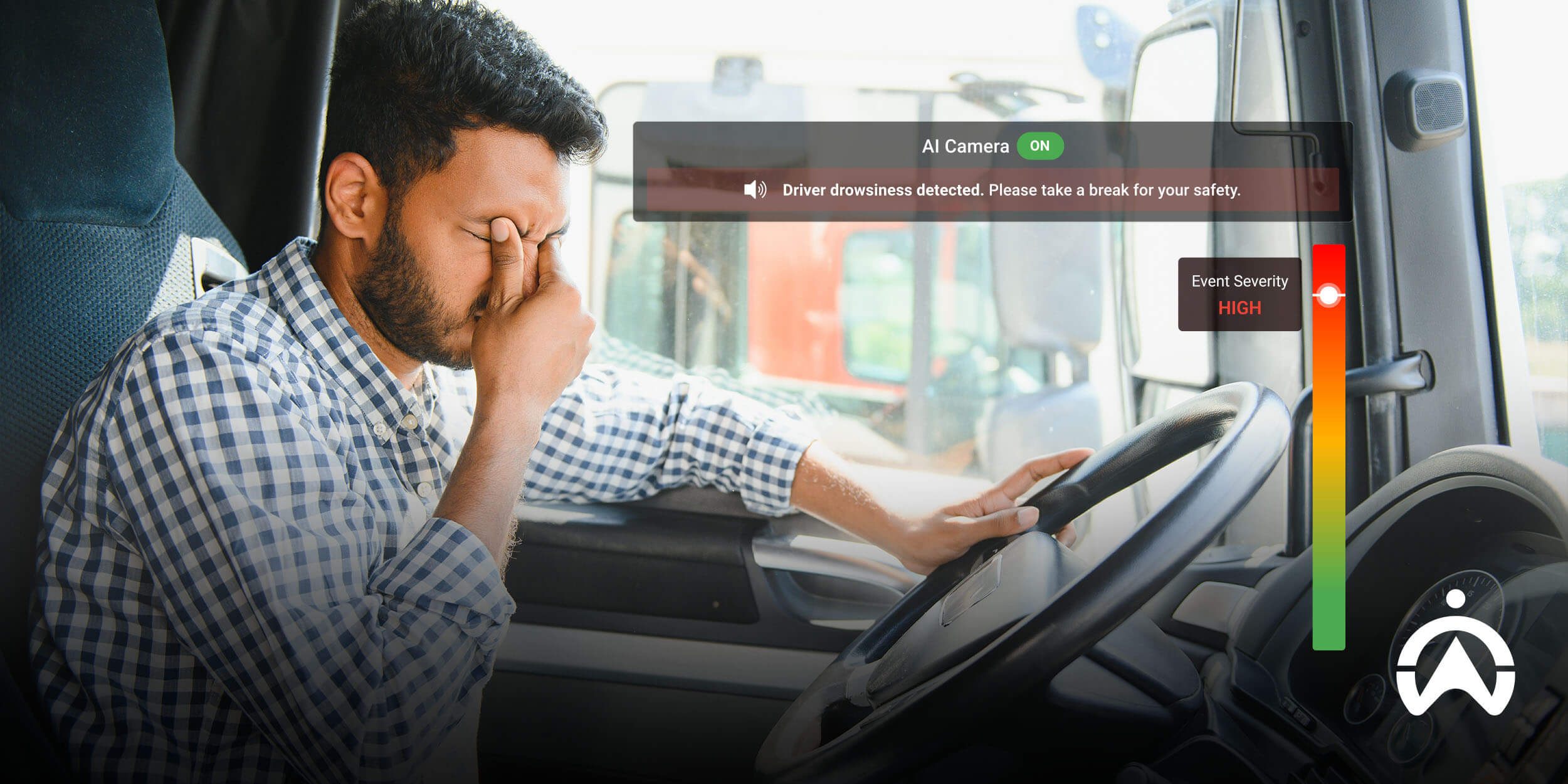
If you don’t already have a dashcam, we have a few that you can choose from depending on your budget and needs. We have dashcams for personal daily commutes and for fleet vehicles. All our dashcams have live stream options, and you can choose the video quality you prefer.
Our top picks for you!
The Road Vision camera solution is a front-facing camera, meaning it only shows you footage of what’s happening in front of you. It’s our most affordable camera, but still as rigid as the others. This camera is an ideal solution for you if you’re just looking to document your journeys and have evidence that someone caused an accident in front of you.
In a country where a lot of people flee after an accident, with this camera you’ll at least capture footage that’ll reveal the other vehicle's number plate so you can find the perpetrator.
With our Dual Vision camera solution, you get one gadget with two cameras inside, recording simultaneously. One camera faces the road, and the other shows the inside of the vehicle and a bit of the rear end. This camera solution will give you more evidence for disputed accidents, as you’ll be able to record incidents from different angels. For example, if someone bumps you from the back, it’ll show.
Make sure you partner with us so you can get all the evidence you need to perfectly present your side of the story. Our dashcams act as silent eyewitnesses for the days when your word isn’t enough. They’ll be there for you when the unexpected happens. So reach out to us, and get the accident protection you need.

Find out all you need to know about how to use your dashcam to protect yourself after an accident. Learn the immediate steps to take.