If you want to overcome fuel siphoning, you need a multi-layered fuel security approach. This approach involves:
Fuel siphoning is a huge concern for many fleet companies, and it’s hard to trace.
Let’s discuss fuel siphoning in detail and give you tips on how to combat it using our fuel monitoring technology.
Fuel siphoning is the act of draining fuel from the tank to an external container using a hose or a pump. It’s a common form of fuel theft that’s often committed against commercial fleet vehicles like trucks or on-site fuel tanks that you normally find at mines and big construction sites.
Fuel siphoning is difficult to trace. You may suspect foul play by seeing way more refuelling than expected, but without the right technology there’s no way to prove it. This is why you need a multi-layered approach.
As fuel prices continue to rise, they also bring about an increase in fuel theft. But don’t take our word for it. Here’s what an expert has to say.
In an article by CapeTimes, forensic expert Calvin Rafadi warned that the increasing diesel prices are a major concern because they present the risk of theft at truck stops, mining depots and state-owned entities where large quantities of fuel are stored.
Ready for that multi-layered approach we mentioned earlier? Here it is.
Multi-layered fuel security measures require:
This approach is about covering all loopholes to ensure no one steals your fuel. And if they dare try, it’ll be easy to catch them.
Let’s break this down for you:
Prevent thieves from gaining entry to your tanks right from the start. You need to protect the physical point of entry, the tank itself. To achieve this, you must get anti-siphon devices. There are several to choose from, depending on which ones are compatible with your vehicle.
Here are a few examples of anti-theft devices to be on the lookout for:
Digital fuel monitoring simply means watching over your fleet’s fuel consumption using software and hardware from a trusted fleet fuel management company. If you want to detect fuel theft, you need credible data. Without data it’s all just suspicion with no proof. Your digital fuel monitoring tools should include:
Here’s why they’re important:
There are various fuel sensors available on the market. Some are placed directly inside the tank; others are connected to specific vehicle wires. What's best for your business depends on vehicle compatibility. These sensors monitor live fuel tank levels.
REAL-WORLD APPLICATION: If there’s a sudden drop in the fuel level, you’ll get an alert because that’s a sign of siphoning. Whichever one you choose should serve that purpose.
Another way to spot theft is by monitoring the routes your drivers take. Are the locations on the fuel receipts accurate? When did the vehicle lose the most fuel? GPS tracking helps you see if drivers are following your suggested routes and the distances they travel.
BONUS: GPS trackers also come with telematics technology, allowing you to see other things that could be draining your fuel, like idling for too long and speeding.
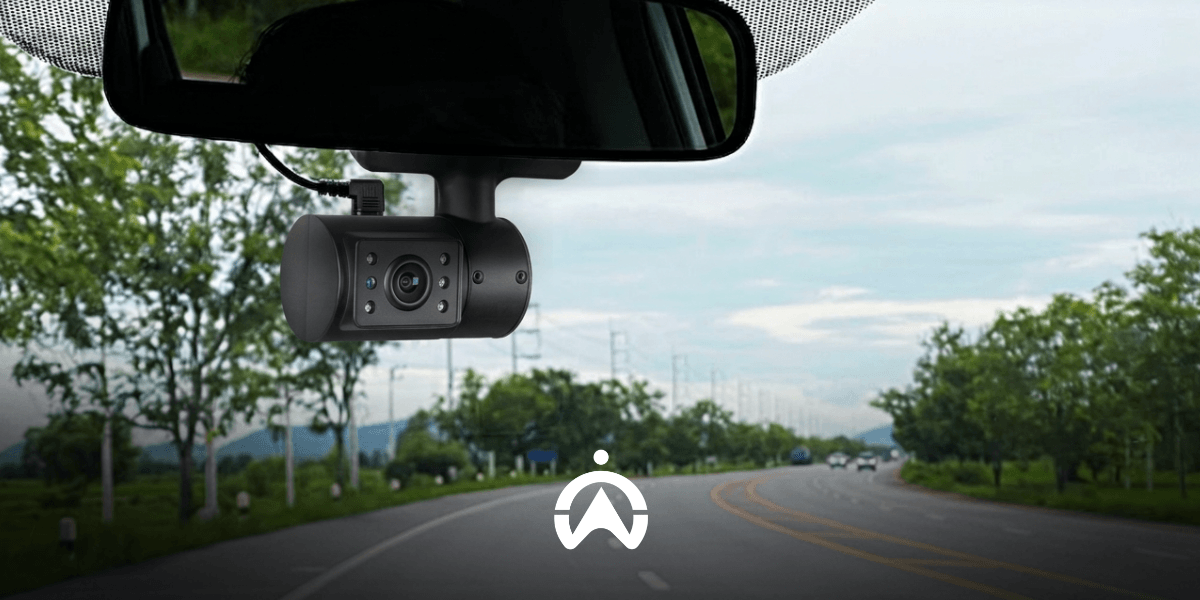
If you run a fleet of trucks, you must install external cameras that cover all surrounding viewpoints of the vehicle, including where the tanks are. Through fleet camera technology you can live stream video footage at any time to ensure nothing out of the ordinary is happening. If you suspect theft, you can always go back to the day you suspect the theft happened and look for evidence.
REMEMBER: If you have bulk-storage fuel tanks like the ones found at mining and construction sites, you must have cameras close to the tanks to give you 24-hour surveillance. This way you'll see who refilled on which day and can spot suspicious activities.
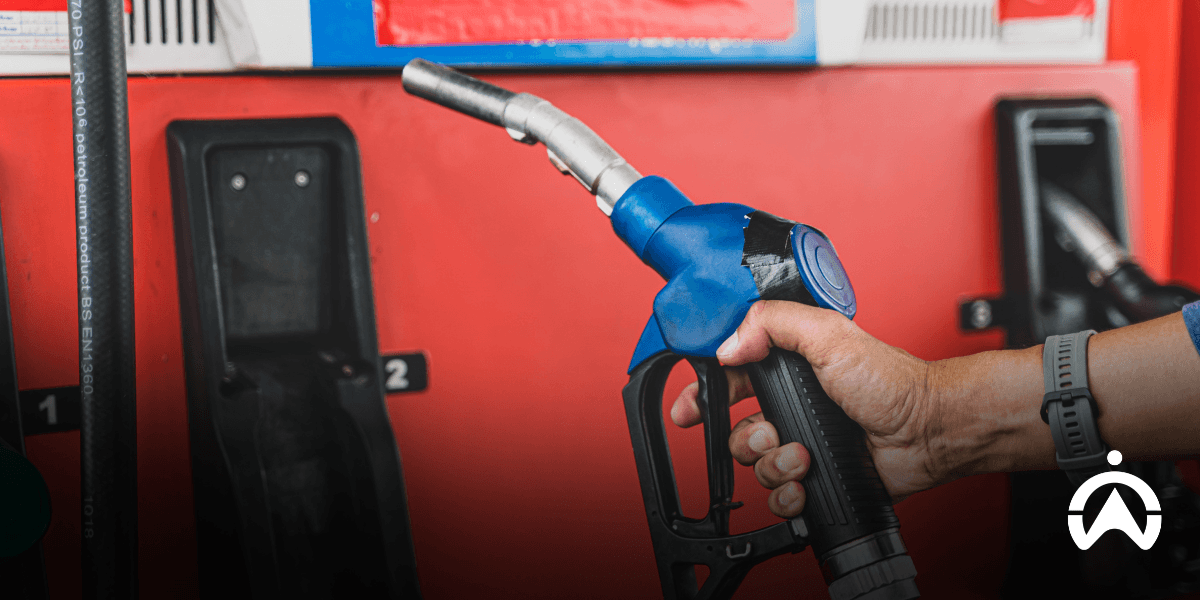
Fuel monitoring systems also help you cross-check driver activities and the use of fuel cards. For example, when you plan your routes properly, have an estimate of how long it’ll take a driver to move from one stop to the other (together with the distance). From there, you’ll know which fuel stations are available on that route and how many refills will be required. You’ll also know how much fuel will be needed for that trip.
HOW IT HELPS: A fuel monitoring system helps you cross-check this information to spot suspicious activity, which could indicate theft.
If you’re wondering how much fuel can be stolen through siphoning then we have some stats for you. Fuel theft syndicates steal fuel quantities worth millions. Having a multilayered strategy is the best way to reduce the chances, because you can catch them quicker.
Have a look at these two recent stories:
In June 2026, a KwaZulu-Natal Department of Transport employee was arrested for allegedly working with a syndicate accused of stealing diesel worth more than R300 000 a month. The suspect is said to have been colluding with fuel attendants to siphon diesel using government fuel cards for private vehicles, and stealing fuel that was intended for construction machinery. This is according to an article by The Witness.
In the same article, the KwaZulu Natal MEC states that diesel theft has had a major impact on infrastructure delivery, with several disruptions to road construction and maintenance projects because of fuel shortages.
In February 2025, IOL News reported that the South African Police Service discovered thieves siphoning petrol from a Transnet pipeline that runs under an RDP settlement outside Alberton, south of Johannesburg. They uncovered a backyard operation of pipes siphoning fuel directly from the underground line. Four suspects were apprehended and detained.
We at Cartrack offer you advanced fuel management and electrical monitoring tools for fuel theft prevention. We have various options:
We cater for industries of all kinds. You can track fuel in your onsite stationary tanks or the tanks in your vehicles.
Here’s how our solutions work:
The Cartrack GPS tracking system gives you full visibility of your fleet in terms of where they go, what they get up to, the fuel stations they frequent, and the areas where fuel usually drops drastically. This also directs you on where to find the thieves, which might help you uncover possible syndicates.
A fuel probe is a highly accurate fuel level sensor that’s placed inside a fuel tank. It works on large fuel storage tanks like the ones on mining sites and also works on regular vehicles. Fuel probes measure the real-time levels of fuel inside the tanks so you can get live updates. If there's a huge drop in fuel, you’ll get alerts so you can quickly act on what’s happening. You’ll also get reports in graph form so you can identify patterns.
Every vehicle has a fuel analogue sensor that measures fuel levels to show drivers when they need to refill. What we do is tap into the wires connected to this system so you can get that information directly on our system. You can then closely monitor fuel levels directly on our platform, helping you spot theft. Fuel analogs are usually an alternative to CAN Bus for vehicles of older models.
CAN Bus, which stands for Controller Area Network bus, is a system that allows communication between various vehicle mechanisms. By connecting our CAN Bus clamp to your vehicle, we get fuel data and translate it in a way that’s easy for you to understand. You’ll be able to track fuel levels and identify potential theft. Because this system connects many parts of the vehicle, you’ll also be able to monitor other vehicle parts related to things like maintenance.
We have a Multi-Vision camera solution that allows you to install cameras outside your trucks so you can keep a close eye on vehicles' surroundings and see what your drivers get up to. Any case of fuel siphoning will be recorded so you can catch the culprit. The cameras also come in handy in instances where you get fuel drop alerts; you can quickly check the live footage and see what's happening.
To strengthen the auditing part of your multi-layered fuel security approach, our fuel monitoring software gives you access to detailed fuel consumption reports. These reports break down the cost of fuel per kilometre and per litre. You’ll also get graphs on fuel usage so you can monitor trends. We’ll give you all the data you need to improve overall fuel efficiency.
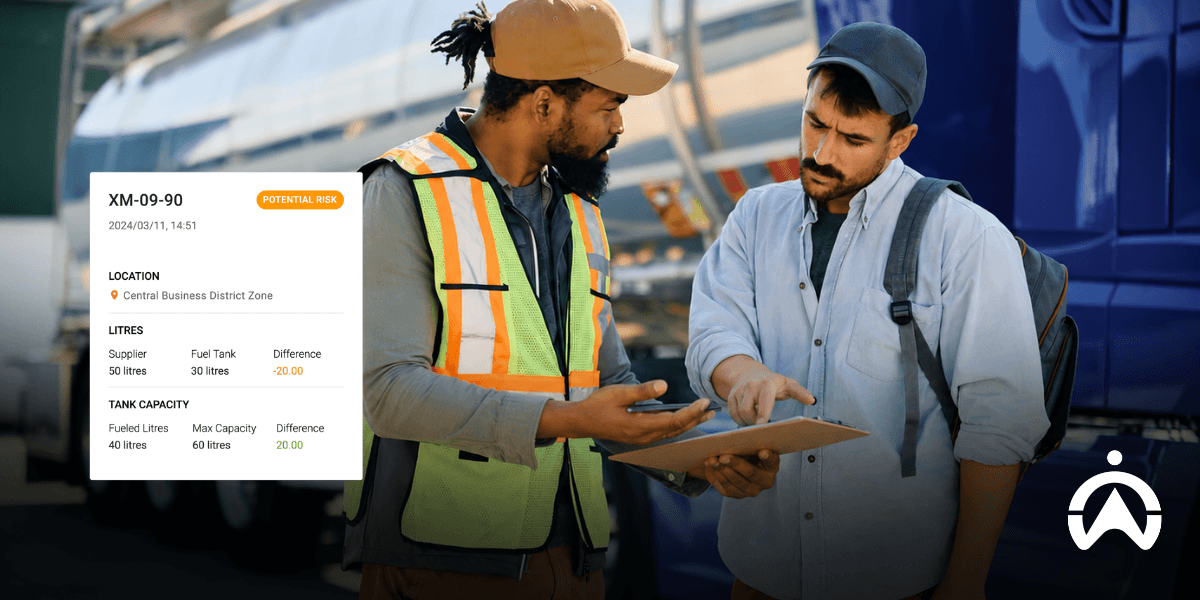
Our MiFleet solution is a cost management tool that helps you audit fuel card transactions. So when a driver refills, they’ll have to log in to our Driver App and enter all relevant refuelling data like the price, vehicle registration, date, and location. They can also take a picture of the fuel receipt and fuel pump after refilling. From there, they’ll submit the data entry, and you’ll receive all the details on our platform.
The system will cross-check the information received, verifying the location, litres in the tank, distance travelled, and what the receipt says. It’ll flag potential fraudulent transactions, helping you detect theft.
With a large fleet of company vehicles spread across the country, the Cartrack fleet operations team needed technology that would improve their administrative processes. The multiple spreadsheets weren't cutting it anymore. They also needed a system that could reduce high fuel expenses. So our product developers came up with the MiFleet solution.
After implementing this solution, our fleet coordinators were able to detect fuel siphoning through high-cost-per-kilometre reports which flagged suspicious transactions. With cameras in each vehicle, they can closely monitor each driver. As a result, Cartrack has achieved a 5% drop in the total kilometres travelled, reducing our fuel expenses by a significant amount.
MiFleet also helps keep track of administrative tasks like paying fines on time and keeping track of contracts and their financial commitments. Our paperwork is always up-to-date, and we now run a more efficient fleet. This system also brings us closer to achieving our sustainability goals.
Implementing measures ensures that you stop the thieves from gaining access to your fuel tanks; and if they somehow do, you’ll have software to alert you so you can catch them in the act. If you need more information, you can fill out this form, and a fleet consultant will contact you shortly.
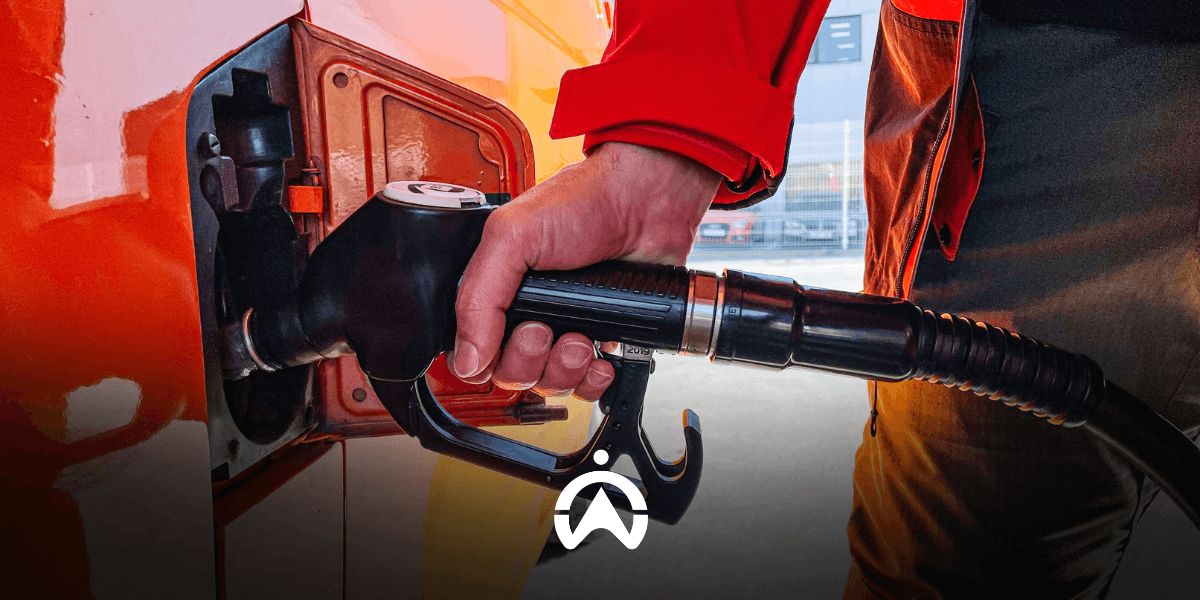
Learn what measures you need to put in place to safeguard your fleet from fuel syphoning. Find out how Cartrack helps fight this crime.