
Cold chain temperature monitoring uses a blend of tools and technologies to track and manage the temperature of perishable or temperature-sensitive goods, ensuring they remain cool during transportation. What’s best for your business is strong and reliable temperature sensors combined with a powerful fleet management system and GPS tracking.
In the 2025/2026 export season, damage expenses reached R350 million from logistics delays in the country’s fruit industry. About R1 billion worth of fruit was at risk in cold storage at any given time, largely because of breaks in the cold chain. This highlights key challenges in risk management and emphasises the need to maintain proper temperatures.
Don’t let your business suffer immeasurable loss, financial strain, and damage to your brand. In this blog, we’ll help you understand more about temperature monitoring, ways to maximise control of the climate for your perishables, and why Cartrack can help you successfully transport your food.
The cold chain monitoring solution that fits your business includes a strong temperature management system like FleetWeb, paired with the right sensors to help you maintain total control. Cold chain monitoring is a core part of your business’ supply chain. From production and preparation to distribution, your goods should remain safe and temperature-controlled.
You also might benefit greatly from numerous sensors in your cargo bay, obtaining more accurate readings and better reporting.
Cold chain temperature monitoring is about combining sensors and powerful software technology to effectively manage your perishable goods. This is typically while in transit, but can also include storage. Temperatures are set and managed in real time. The link to a fleet management system (FMS) keeps you alerted to temperature changes, cargo door activity, and potential hardware/sensor malfunctions.
These temperature-sensitive goods typically include (but aren’t limited to) frozen foods like fresh fruits and vegetables, deep-frozen foods like meat and seafood, and pharmaceuticals like vaccines.
Devices used to keep cold chain cargo bays at certain temperatures are tools like cargo door sensors, temperature sensors, live GPS tracking, and an FMS.
Take a look at each and why they matter:
Temperature monitoring matters because sensitive goods need to be handled correctly and with care. Temperature variations can result in spoilt, damaged, or ineffective goods if not tended to as quickly as possible, which is why immediate and regular notifications are important.
Compliance and regulations must be met. Because strict regulations are put in place, especially in the pharmaceutical sector, temperature monitoring is vital. The connected monitoring system allows you and your drivers to react quickly, but also keeps records of changes that prove adherence.
Methods that are used for temperature monitoring in cold chain logistics include keeping food at the right temperature, driving carefully to avoid collisions, and keeping cargo bays free from external air.
Keeping food at the right temperature is the most important and evident point. Driving carefully to avoid collisions is an important part of minimising damage. When your drivers move recklessly on the roads, there’s a greater chance of ruining not only your cargo but also the connected sensors as well.
Finally, keeping air out of the refrigerator or trailer is a passive but effective way for you to proactively ensure your goods are kept fresh. This is maintained by keeping the cargo doors closed & sealed, and ensuring your drivers are completing pre-trip inspections to make sure doors are secured.

Fleet operations affect your temperature monitoring needs when certain elements aren’t planned for, especially when considering how long certain transit trips can be. Factors like immediate alerts and reaction/recovery time are the key to keeping products of high quality. Cold chain management looks a bit different for each business, so it’s important to carefully configure things as necessary.
Food and beverages need a high level of management when it comes to cargo bay climate control. It helps that food and drinks are prepackaged airtight, but as their package instructions will typically show, thawing and refreezing isn’t good for the food. Consistently doing so will reduce the quality of the products.
Fluids, whether we’re talking about dairy, medical liquids, or raw chemicals, need extremely high levels of control. In fact, fluids might have some of the highest levels of compliance and strict regulations attached to them.
Most of the time, hardware and sensors extend to measuring the liquid itself, together with measuring the climate in the cargo bay.
Organic foods also need an extremely high and strict level of management. Organic foods are quite special and different from other products because they need a specific climate to remain fresh and undamaged. Climate control goes beyond just ensuring it’s cold enough; it needs a precise and delicate balance between cold and humidity.
This needs to closely resemble the ideal climate in the real world.
The industry sectors that rely on temperature monitoring go beyond food, healthcare, and pharmaceuticals. It also includes the floral business, biological technologies, and chemical manufacturing. Some industries are more obvious than others, but each has its own key reason for cargo climate control.
Let’s take a quick look:
When looking at some myths versus facts regarding cold chain logistics, it’s easy to make some assumptions that could potentially lead you astray. Temperature management is fragile and elaborate. You’d rather be certain than play a guessing game when it comes to the quality of your goods.
False; small businesses do need temperature monitoring. The size of the business doesn’t change the importance of keeping goods protected and ensuring compliance. In fact, a smaller business might feel an even greater impact on its finances because it has more to lose if goods are spoilt, losses are faced, or there’s damage to the business reputation.
False; cold chain temperature monitoring isn’t too expensive, although the initial costs might make it seem that way. Like most valuable systems, the upfront costs are usually far higher and might deter you at first. But it’s the long-term value that’ll prove otherwise. Poor temperature management means major losses and customer disappointment.
False; temperature control is quite a delicate process and has to be followed to a ‘T’; that’s the nature of sensitive goods risk management. Small mistakes are unfortunately harmful if not corrected quickly and carefully, leading to spoilt foods, ineffective vaccines, unviable organs and the like.
False; slight variations aren’t okay and should always be addressed as quickly as possible. If you have a temperature range to work within, that’s perfectly fine, but don’t veer outside of it.
Perishables are extremely finicky, and operating outside the established temperature range could immediately spoil the goods. It would also mean you’re not complying with the relevant health and safety regulations.
False; temperature-controlled cargoes aren’t bad for the environment, despite requiring reasonable amounts of energy to keep the cooling power going. The notion that energy use equates to harm to the environment ignores the work that cooling and refrigeration do to keep food fresh, unspoiled, and unwasted.
Reduced food waste plays a massive role in sustainability. Proper management of trucks and cooling equipment can also keep carbon emissions low. By avoiding old, underperforming trucks and monitoring sensor performance, you can keep your carbon emissions low.
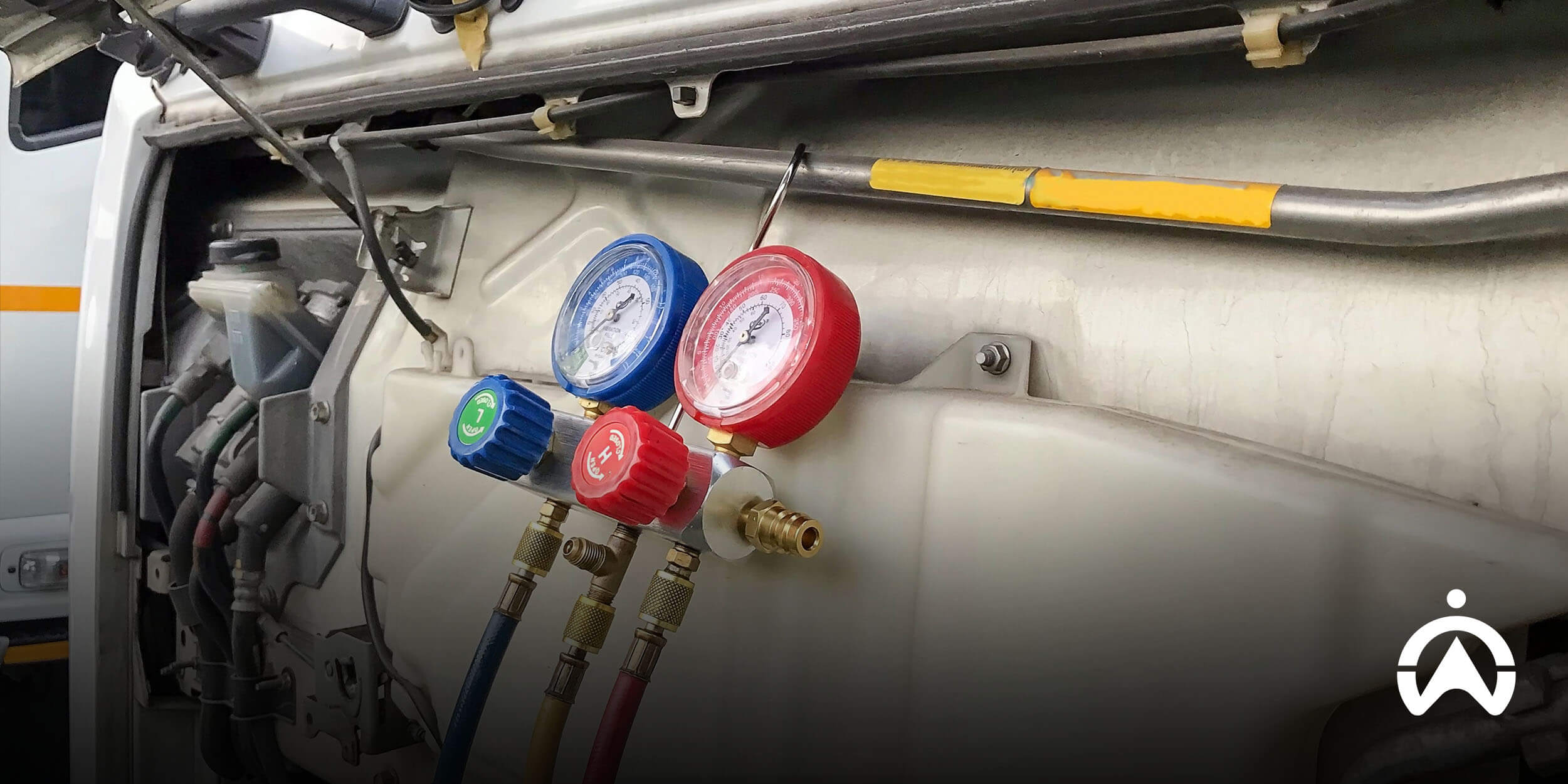
The best cold chain temperature monitoring system is one that allows you to keep track of your sensitive cargo at all times. This means choosing to implement a total ecosystem that’s efficient and keeps you notified at all times. As mentioned, achieving this is about getting the right hardware and connecting it to a sophisticated FMS and GPS tracking.
Cartrack could be your partner in long-term food and pharmaceutical risk management. With us, you’ll have all the tools needed to keep your sensitive foods or goods safe and temperature-controlled. We have industry-specialised sensors, like temperature and cargo door monitoring, which can be added to your overall fleet package. You’ll also have total control over temperature management with FleetWeb.
FleetWeb, thanks to GPS tracking and IoT technologies, will send you consistent alerts about temperature changes and shifts. These immediate notifications ensure you can quickly and urgently contact the driver or replace refrigeration trailers if necessary. FleetWeb also helps you achieve operational visibility, allowing you to keep an eye on your fleet while using trip data to optimise driver routes.
Finally, know that you can automate and digitally organise your temperature monitoring, keeping you compliant and in line with food and pharmaceutical regulations. Your temperature monitoring stores detailed records, ensuring that all the insights are available whenever needed.
You no longer have to worry about the state of your goods when they’re being transported. With the right solution, featuring a strong temperature monitoring system like FleetWeb and paired with the right sensors, you’ll maintain total control. Product quality can be maintained, waste can be reduced, and compliance matters can be met.
Cartrack’s got your back. Not only do we fully equip you with the necessary tools, but we also ensure you’re able to achieve operational efficiency through proactive efforts and complete visibility. You can lead the way and stay ahead of your competitors while our fleet systems and sensors do the heavy lifting.
Are you ready to see the most optimised execution of your cold chain temperature management? Speak to a Cartrack specialist today to keep your goods in check!

Are you looking for the best in cold chain temperature management? Explore your options with Cartrack and keep your sensitive products in prime condition.