The World Economic Forum predicts that the need for package delivery services will almost double by 2030! Not only does this offer viable business opportunities for South African entrepreneurs, it also brings into question factors like road conditions, fuel prices, road safety concerns, and SA's push for greener logistics.
But what does this have to do with you and your business?
Well, if you’re already in the last mile delivery sector, prepare to get BUSY! And if it’s a branch you want to add to your existing services, GREAT IDEA!
The future of last mile delivery is exciting, but it’s not without its teething stages. Fuel, safety, and other elements of this nuanced industry will be discussed here—so if this impacts your business, keep reading as Cartrack explores the future of last-mile delivery in Mzansi.
It’s very likely that last mile deliveries will increase by around 78% in the future, according to predictions by the WEF. This means more vehicles on the roads, more fuel being used, and a much greater need for stable infrastructure.
Companies that are already making in-house deliveries will probably soon have to look at expanding their fleet operations, while newer companies will find it easy to establish themselves within this ever-growing market gap.
Some questions worth asking right now:
But first things first! Let’s start by looking at how the future of last mile deliveries will grow our economy. Then let’s talk about the hard stuff like fuel, environmental factors, and safety. Finally, let’s explore the best ways to bring everything together for your business.
The fact is, most people don’t want to drive somewhere if they can get what they need delivered. This isn’t just limited to products—it includes services too. The future of the last mile sector in SA is an opportunity for your business to GROW.
Here’s how.
Because consumers are more than happy to pay extra to have something delivered, you can turn your current business model into a convenience-focused enterprise.
Hardware stores should be delivering tools & supplies; doggy parlours should be grooming pets at customers’ homes; book stores should have mobile-friendly sites where shoppers can buy books and get them delivered.
The list is never-ending!
And even if you already offer deliveries, the time to expand is here. As more customers begin to rely on home deliveries (and grow accustomed to it), the more vehicles and drivers you’ll need to invest in.
The future where this becomes the norm is closer than you think.
Is it really worth starting a courier company? The answer is YES. If managed correctly, you can grow a solid business by filling the package delivery gap, because so many new businesses rely on these services to run successfully.
There are hundreds of niches to consider. Some are specialised. Some require larger vehicles. Others are small and easy to start if you don’t have that much capital; for example:
These are real-time market gaps, so grab onto them NOW!
There are still a bunch of food stores in South Africa that have yet to offer delivery to their customers. While the large retailers have already developed this service in-house, many smaller businesses could increase their sales by outsourcing last-mile deliveries:
If it’s a small business, the owners might just be open to outsourcing their deliveries to someone like YOU!

These business ideas all sound great, but what about the costs involved? If you’re already running a delivery operation, you may feel stagnated by the recent fuel price increases. When talking about the future of last mile operations, we must confront the cost of fuel to allow for free expansion or getting a new business off the ground.
Companies that rely on vehicles to operate are already turning to technology to solve their fuel cost woes. This is bound to happen more in the future, because fuel is one of the biggest fleet expenses.
But how does this technology work—and how much of a difference can it really make?
A fuel analog clamp is one of the most baseline ways to monitor fuel digitally. Gone are the days where fuel was recorded with hand-written logbooks and garage slips. Having this data archived digitally has been a game changer for many businesses.
Others have turned to CAN Bus technology, giving them a highly accurate, real-time reading of their vehicles’ fuel levels. This helps them to detect anomalies like fuel syphoning or tank refill fraud attempts.
But the most modern & effective fuel monitoring technique is a fuel probe. For larger fleets that need to account for every drop of fuel, this technology is matchless in its accuracy. It combines fuel tank sensors and software tools to expose waste and highlight solutions on how to conserve as much fuel as possible.
In addition to monitoring fuel, last-mile delivery companies will be compelled to change the way they manage their fleets. These operational changes will focus around using less fuel and will require fleet-wide cooperation from staff & managers.
But there’s one method of using less fuel that’s becoming more popular in the last mile delivery space.
The future of last mile delivery is…
ELECTRIC!
EV vehicles are made for the last mile industry because of their low-to-no fuel use, low maintenance and longevity.
But there’s something more futuristic about EVs than just their awesome technology. Electric vehicles will one day become vital to companies’ attempts at achieving high ESG scores.
ESG speaks to the Environmental, Social, and Governance policies of your business. These policies are a big deal when we’re talking about the future of last mile delivery, because one day ALL companies will be scored according to all three.
But let’s just focus on the first one. EVs and hybrid vehicles are easy on the environment in terms of emissions. With last mile delivery projected to increase by an estimated 78%, we need to take a long hard look at what this will do to the SA government’s environmental goals.
The EV market is growing fast. At the moment there are regular sedans, smart cars, and scooters available for last mile purposes. But there are also EV trucks & delivery vans, and these will only increase as demand grows.
It looks like regular petrol & diesel vehicles are being phased out slowly as more and more EV options become available. Even though the initial cost of these vehicles is relatively higher, the long-term benefits are unmatched:
At this point South Africa is easing into the EV lifestyle. Infrastructure is in place and growing, but for SA to be ready for a mass electric vehicle market will take time.
Here’s what’s been done so far:
While we may not be fully ready yet, SA is well on its way to adopting EV technology—which is good news for your future last mile delivery business!
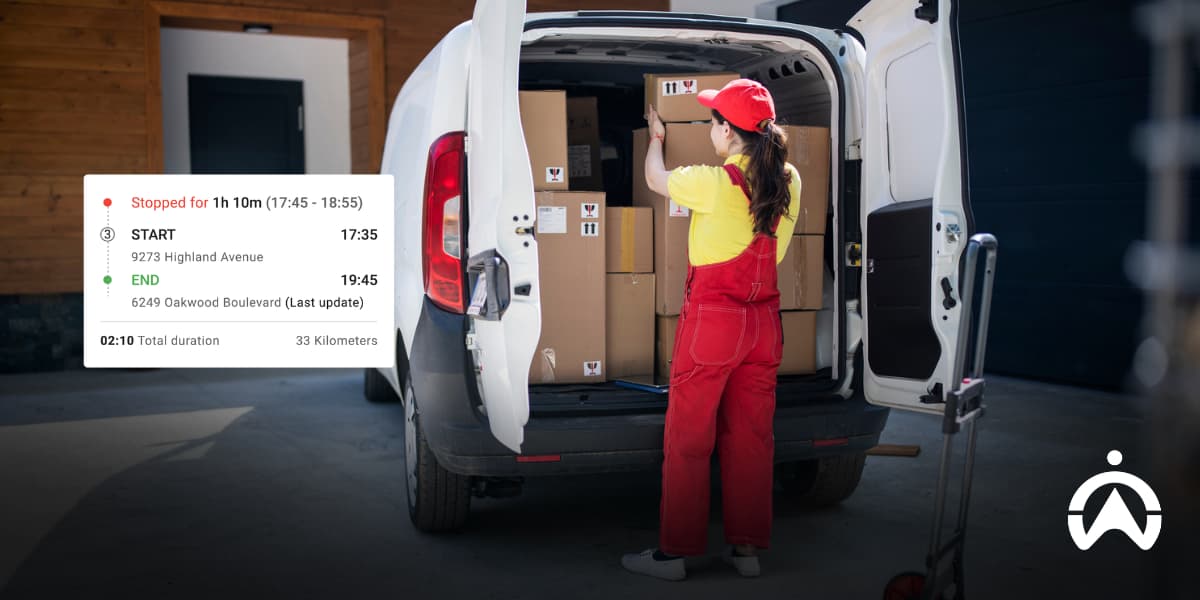
We couldn’t talk about how the last mile industry will look in the future without addressing the growing concern for road safety. With more vehicles on the roads of SA, risks increase. Criminals will always take advantage where they can, and bad driving will always be a thing until automated vehicles become a reality.
So how can you as a last mile delivery fleet manager adopt a futuristic approach to road safety?
There’s nothing you can do about the road conditions in SA, but you can develop a system that bypasses the worst roads as often as possible. Last mile delivery companies traverse rural and urban roads that are often in a shocking state.
But those packages need to get to where they’re going. Customers are expecting quick deliveries, so skipping damaged roads riddled with potholes is a MUST. In the future, more and more delivery companies will harness the power of route optimisation to save fuel and keep their drivers on roads that don’t damage their vehicles or put their drivers in danger.
Vehicle theft is bad enough. But here we also have to deal with hijackings, smash & grabs, and even vehicle stripping. Fleet managers who run last-mile delivery operations will have to adapt to technology if they want to stay ahead of criminal thinking in SA.
What’s already out there to help you?
These are available already; all that’s left is for courier companies and last-mile managers to adopt them.
If WEF’s predictions are accurate, more vehicles will start gradually appearing on our roads. Risks will invariably increase, so road security should be a vital consideration for every motorist and fleet-based company.
If you’re running a business that faces common road risks and need to learn how to manage them, start by asking yourself these questions:
To help you answer these questions, click on the links provided and learn more about the best ways to approach these risks.
It’s time to become a forward-thinking country when it comes to this rapid-growing industry. As more consumers in South Africa get accustomed to home deliveries, the opportunity is there for companies to profit—BIG TIME!
But only if you learn the skills it takes to manage a last mile delivery company like a pro. That’s where Cartrack comes in as a viable partner. We offer all of the technological tools mentioned here, and we’re always developing more.
Speak to us. There’s no one-size-fits-all, so let’s kick off a conversation that works for your delivery company.
So whether you’re expanding or just starting from scratch, drive your success by partnering with SA’s leading fleet management brand.
We’ll keep your decision-making grounded in the present while preparing you for an inevitably lucrative future.
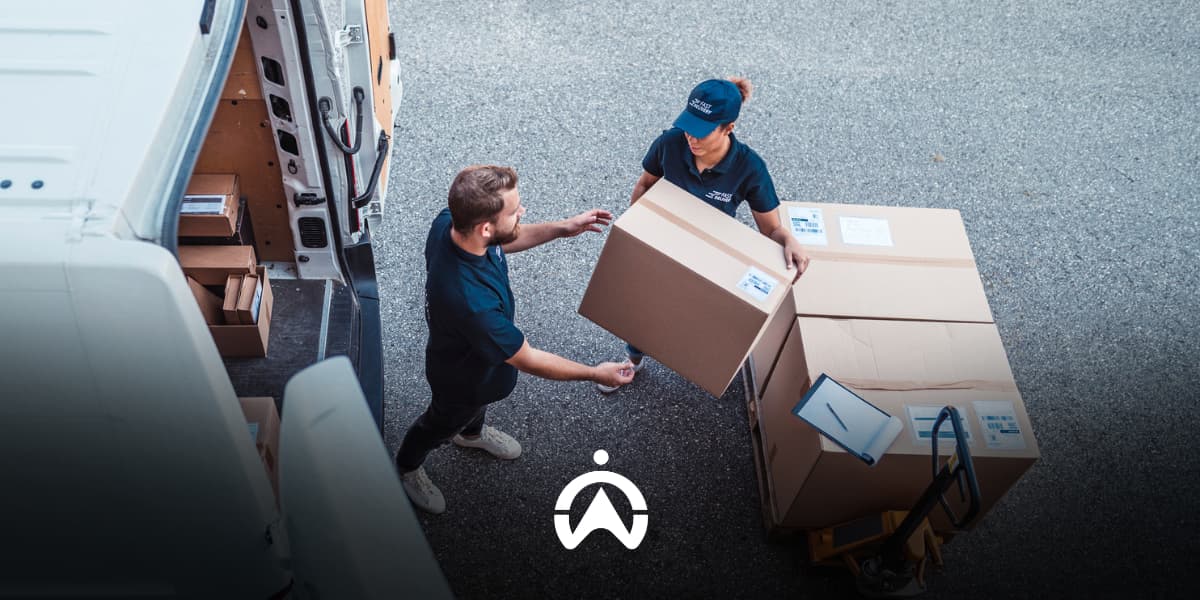
Find out whether it’s worth investing in SA’s last mile industry, with projections of growth, safety concerns, and logistics challenges in mind.